

In the world of stone fabrication, choosing between wet cutting and dry cutting isn't just a matter of preference—it's a critical decision that impacts project outcomes, tool longevity, and workplace safety. As professionals in construction and stone processing know all too well, the wrong cutting method can lead to chipped edges, excessive dust, premature tool wear, and even safety hazards. This comprehensive guide will break down the technical differences, material-specific recommendations, and real-world applications of both techniques, helping you make informed decisions that optimize results while protecting your team and equipment.
At their core, wet and dry cutting represent two fundamentally different approaches to material processing, each with distinct advantages and limitations. The primary distinction lies in the use of water as a cooling and lubricating agent, which dramatically affects everything from dust production to cutting precision.
| Performance Metric | Wet Cutting | Dry Cutting |
|---|---|---|
| Dust Generation | 90-95% reduction compared to dry cutting | High (up to 50mg/m³ without extraction) |
| Blade Temperature | Maintained below 150°C | Can exceed 300°C during prolonged cuts |
| Blade Lifespan | 2-3x longer average lifespan | Reduced by 40-60% in hard materials |
| Cutting Speed | Moderate (3-5 m/min typical) | Higher (5-8 m/min possible) |
| Edge Quality | Superior, minimal chipping | Increased risk of micro-fractures |
Wet cutting utilizes a continuous water flow to cool the cutting area and suppress dust, while dry cutting relies on specialized blades with heat-dissipating slots and often requires powerful vacuum systems. The choice between them depends on multiple factors including material type, job site conditions, and precision requirements.
Not all stones are created equal, and neither are the optimal cutting methods for each material. Understanding how different stone types respond to cutting forces and heat is essential for achieving professional results.
With a Mohs hardness rating of 6-7, granite presents significant cutting challenges. Its crystalline structure and high density generate substantial friction and heat during cutting. Wet cutting is strongly recommended for most granite applications, as the water cooling prevents thermal shock and reduces blade wear by up to 60% compared to dry methods. For jobs requiring portability where water is unavailable, specialized dry-cutting blades with enhanced heat dissipation become necessary, though productivity may decrease by 30-40%.
Marble's lower hardness (3-4 on Mohs scale) and calcite composition make it prone to chipping and smearing. Wet cutting is preferred for achieving clean edges and preventing surface discoloration. However, marble's relative softness allows for successful dry cutting when equipped with the right blade, particularly for smaller projects or intricate detail work where water cleanup would be problematic.
Modern porcelain tiles, with their low water absorption and high density, demand precise cutting techniques. While wet cutting remains the gold standard for professional tile installers, advances in dry-cutting technology have made dry methods viable for certain applications. The key lies in using blades specifically engineered for ceramic materials, with diamond concentrations and bond types optimized for these challenging substrates.
"We consistently see a 40% reduction in material waste when contractors match the cutting method to the specific stone type," notes Michael Chen, technical director at a leading stone fabrication association. "Granite and engineered stone absolutely require water cooling for optimal results, while certain marbles and softer stones can be dry cut with proper blade selection—though with trade-offs in edge quality."
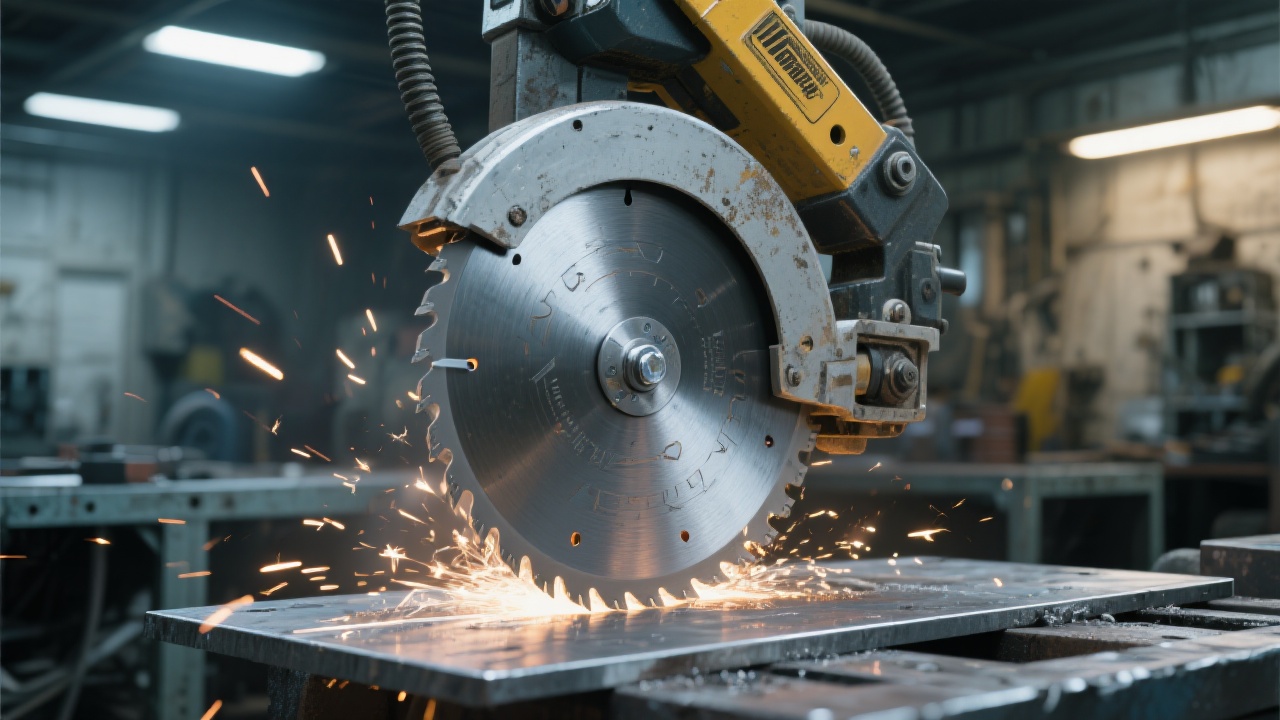
Every cutting operation carries inherent risks, but proper technique and equipment can mitigate these dangers significantly. Both wet and dry cutting present unique safety challenges that require specific precautions.
Regardless of the method chosen, personal protective equipment (PPE) remains non-negotiable. This includes eye protection, hearing protection, dust masks or respirators (N95 or better for dry cutting), and cut-resistant gloves. For wet cutting, waterproof clothing and non-slip footwear add another layer of protection.
Consider the example of a mid-sized construction company that attempted to dry cut 500 square meters of polished granite countertops to save time on a commercial project. Without proper dust extraction, workers were exposed to silica levels 5 times the OSHA permissible limit, resulting in a worksite shutdown and fines totaling $28,000. Additionally, the dry-cutting blades required replacement every 40 linear meters (compared to 120 meters with wet cutting), increasing tool costs by 200%. The project was ultimately completed three weeks behind schedule, with total additional costs exceeding $75,000.
In contrast, a tile contractor specializing in high-end residential projects invested in a quality wet-cutting system for porcelain tile installation. By maintaining proper water flow and using premium diamond blades, they reduced chipping rates from 15% to under 2%, saving approximately 40 hours of refinishing work per project and increasing customer satisfaction ratings by 35%.

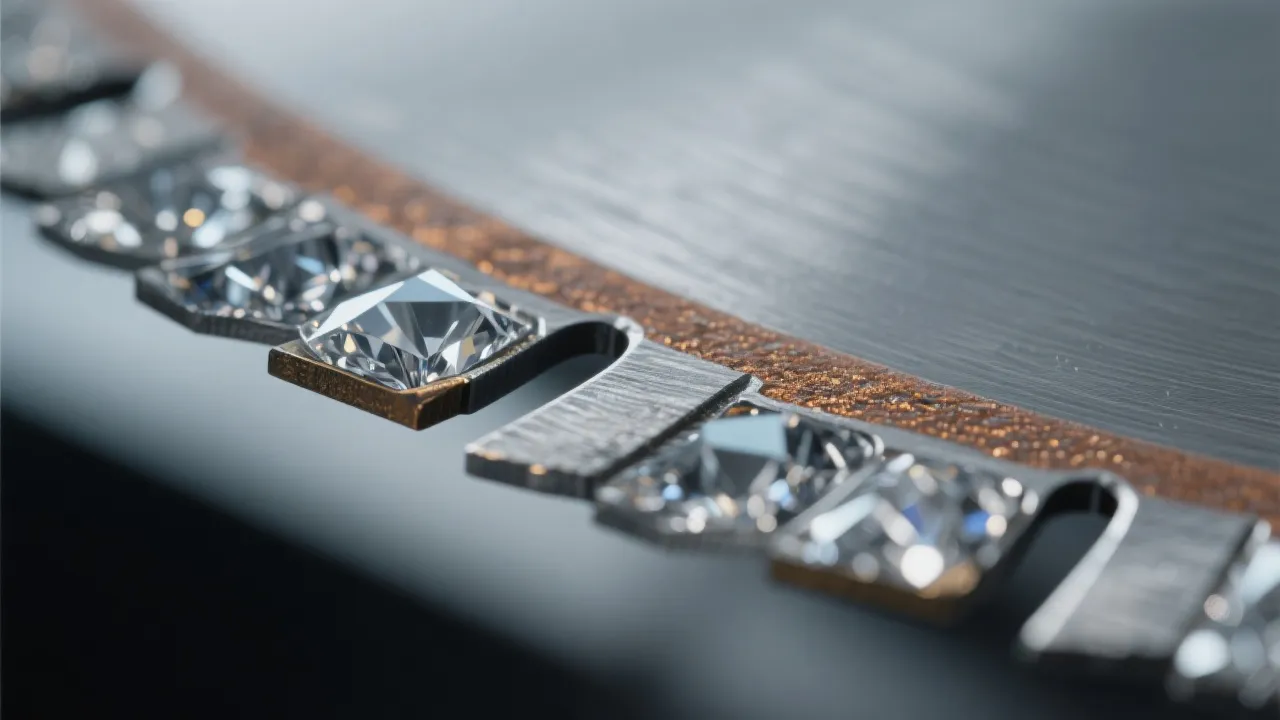
Even with the correct cutting method, subpar equipment can undermine results. The blade itself is the most critical component, serving as the interface between machine and material. For professionals seeking consistent performance across both wet and dry applications, the Youde Superhard 400H Brazed Diamond Saw Blade represents a significant advancement in cutting technology.
Featuring a unique brazing process that ensures maximum diamond retention, the 400H blade delivers exceptional longevity—typically 30-40% longer life than standard sintered blades. Its laser-welded construction provides superior stability during high-speed cutting, reducing vibration that causes chipping and uneven edges. The blade's segmented design with optimized cooling slots makes it suitable for both wet and dry cutting applications, offering versatility across different job sites and material types.
Contractors report achieving up to 25% higher cutting speeds with the 400H blade when compared to conventional options, particularly when working with dense materials like granite and engineered stone. The consistent cutting performance also reduces the need for secondary finishing operations, saving both time and labor costs on every project.
Experience the difference professional-grade equipment can make in your projects. The Youde Superhard 400H Brazed Diamond Saw Blade delivers the precision, durability, and versatility modern stone fabricators demand.
Discover the 400H Blade AdvantageWhen evaluating cutting equipment, consider not just the upfront cost but the total cost of ownership. A premium blade that lasts longer and produces better results often proves more economical than cheaper alternatives that require frequent replacement and generate more waste. Look for blades with proven performance in your specific application and material type, and don't hesitate to consult with technical experts to ensure proper matching between blade, machine, and material.
As stone fabrication continues to evolve with new materials and technologies, the fundamental principles of wet and dry cutting remain constant. By understanding the strengths and limitations of each method, selecting appropriate equipment, and following proper safety protocols, professionals can achieve exceptional results while protecting their most valuable assets—their team and their reputation in the industry.


 hard material cutting problems
diamond blade wear
overheating in cutting
wet vs dry cutting optimization
Youde 400H blade
Diamond saw blade tooth profile design
Industrial dust control
Gray cast iron cutting
Ductile iron processing
Environment - friendly cutting solutions
handheld chainsaw blade compatibility
stationary cutting machine blade selection
diamond blade usage tips
dry vs wet cutting blades
blade lifespan optimization
brazed diamond saw blade
cutting efficiency optimization
diamond particle bonding technology
saw blade maintenance guide
ISO quality standards
400mm brazed diamond saw blade
brazed saw blade maintenance
difference between wet and dry cutting
diamond saw blade performance
construction stone cutting tool
hard material cutting problems
diamond blade wear
overheating in cutting
wet vs dry cutting optimization
Youde 400H blade
Diamond saw blade tooth profile design
Industrial dust control
Gray cast iron cutting
Ductile iron processing
Environment - friendly cutting solutions
handheld chainsaw blade compatibility
stationary cutting machine blade selection
diamond blade usage tips
dry vs wet cutting blades
blade lifespan optimization
brazed diamond saw blade
cutting efficiency optimization
diamond particle bonding technology
saw blade maintenance guide
ISO quality standards
400mm brazed diamond saw blade
brazed saw blade maintenance
difference between wet and dry cutting
diamond saw blade performance
construction stone cutting tool






.png?x-oss-process=image/resize,h_100,m_lfit/format,webp)
.png?x-oss-process=image/resize,h_100,m_lfit/format,webp)
.png?x-oss-process=image/resize,h_100,m_lfit/format,webp)


