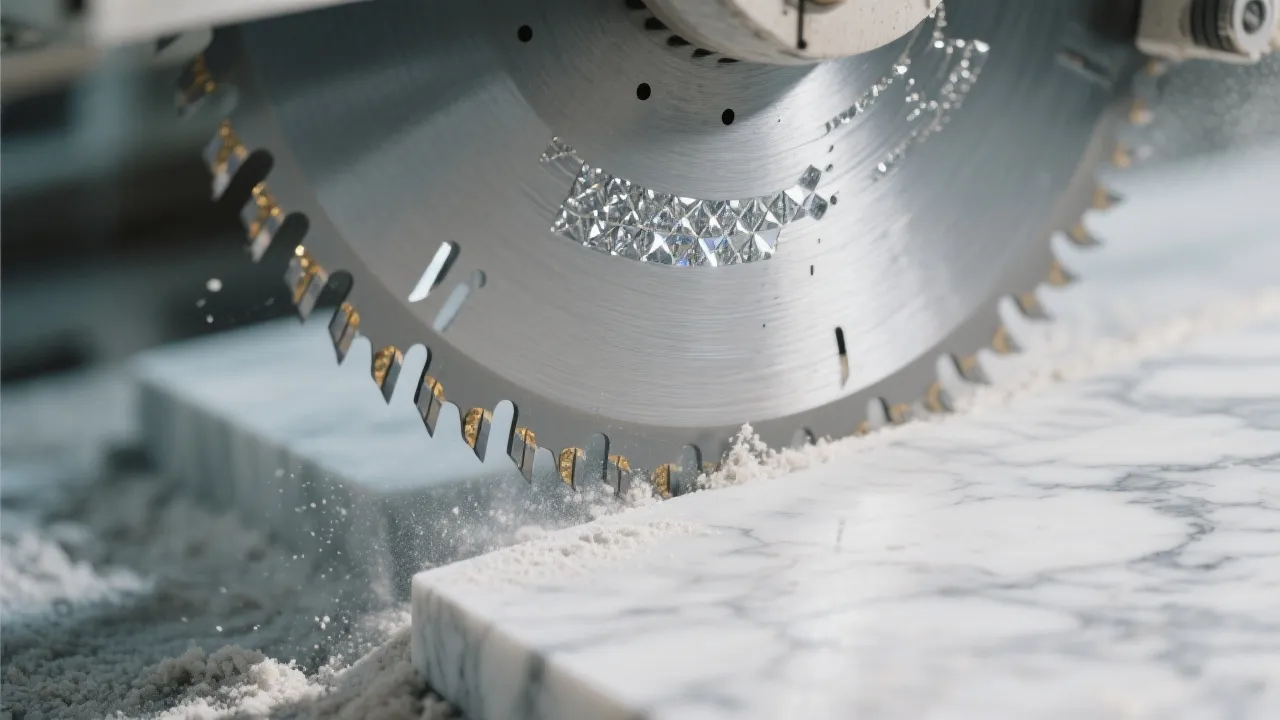
In the world of stone fabrication, choosing between wet cutting and dry cutting isn't just a matter of preference—it's a critical decision that impacts project outcomes, equipment lifespan, and worksite safety. Understanding how these techniques interact with different stone types can mean the difference between a flawless finish and costly mistakes. Let's explore the science behind both methods and when to deploy each for optimal results.
Wet cutting technology has been the industry standard for decades, valued for its ability to handle the most demanding materials while maintaining precision. The process involves continuously applying water to the cutting area, serving three crucial functions: cooling the blade, reducing dust, and lubricating the cutting surface.
"Proper water flow during wet cutting can reduce blade temperature by up to 70% compared to dry cutting," explains Michael Chen, senior materials engineer at the Stone Fabrication Institute. "This temperature control directly translates to 30-40% longer blade life and significantly improved cut quality."
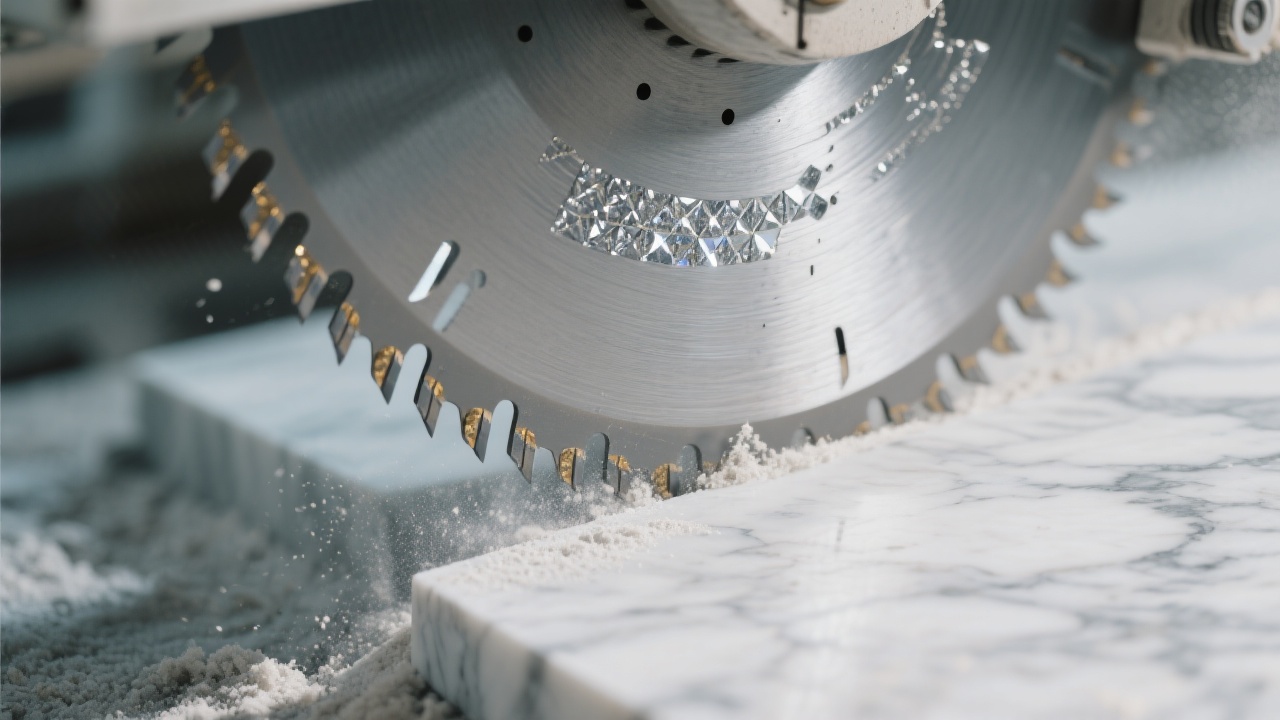
However, wet cutting does require water management systems and may not be suitable for indoor projects where water damage is a concern or in freezing temperatures. The added setup time and cleanup should also be factored into project planning.
Dry cutting technology has advanced significantly in recent years, making it a viable option for many applications previously dominated by wet cutting. Modern dry cutting relies on specialized diamond blades with heat-resistant bonds and segmented designs that facilitate air cooling and dust extraction.
When working with certain stone types like sandstone or limestone, dry cutting can offer distinct advantages. The absence of water eliminates concerns about mineral leaching or staining, which can occur with some porous materials when exposed to water.
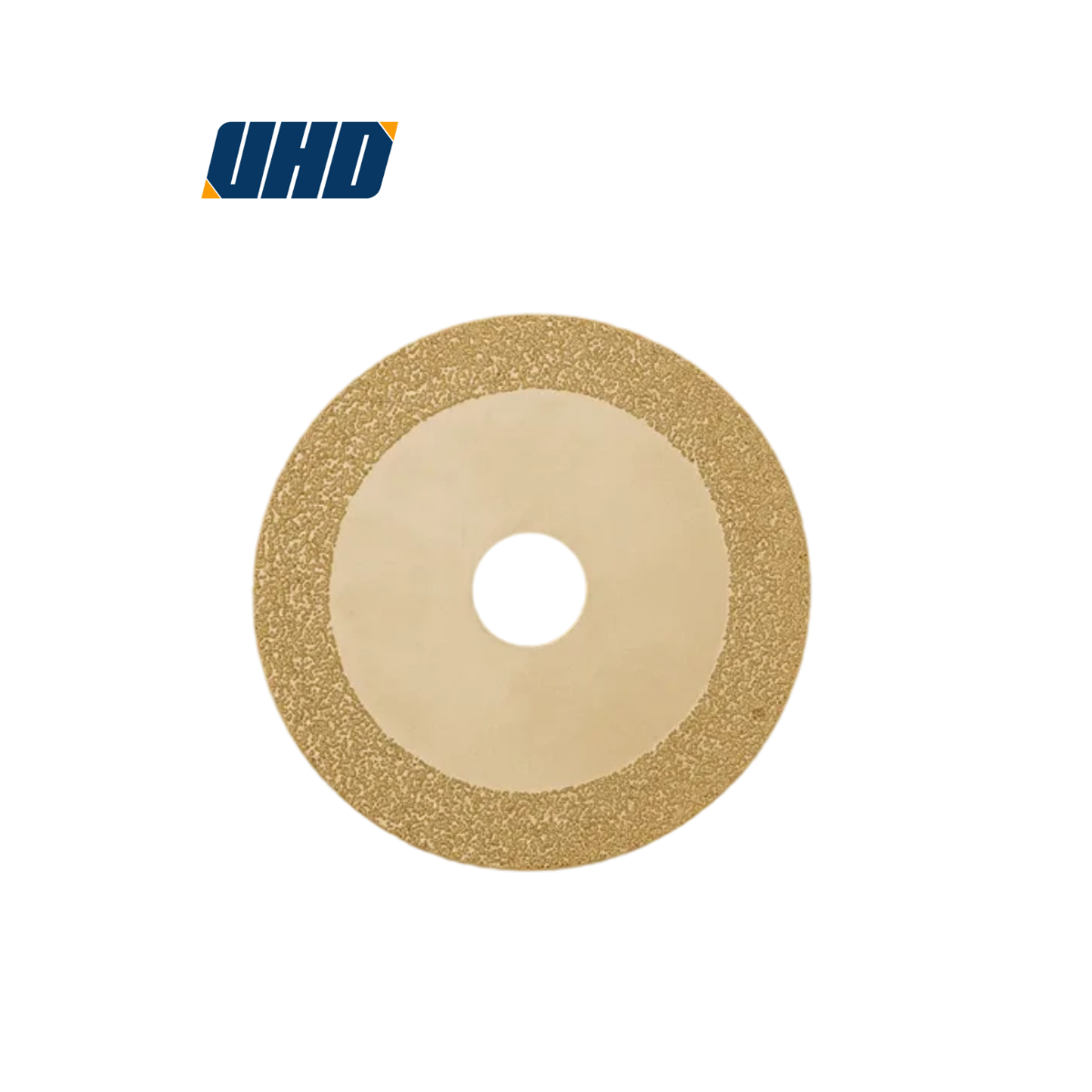
Dry cutting generates significantly more dust than wet methods—up to 10 times the particulate matter without proper extraction. This makes high-quality dust collection systems essential, not just for regulatory compliance but for worker health.
Recent industry studies show that dry cutting can be 15-20% faster than wet cutting for certain materials when proper equipment is used, though this advantage diminishes with harder stones like granite or quartzite.
The decision between wet and dry cutting should be primarily guided by the physical properties of the stone being processed. Hardness, porosity, and thermal sensitivity all play critical roles in determining the optimal cutting approach.
Using the Mohs hardness scale, we can categorize common stones and recommend appropriate cutting methods:
| Stone Type | Mohs Hardness | Recommended Method | Key Considerations |
|---|---|---|---|
| Marble | 3-4 | Wet | Thermal sensitivity, avoid chipping |
| Granite | 6-7 | Wet (preferred) | Heat generation, dust control |
| Sandstone | 6-7 | Dry/Wet | Porosity concerns with water |
| Quartzite | 7-8 | Wet | High hardness requires cooling |
| Limestone | 3-4 | Dry/Wet | Avoid water staining |
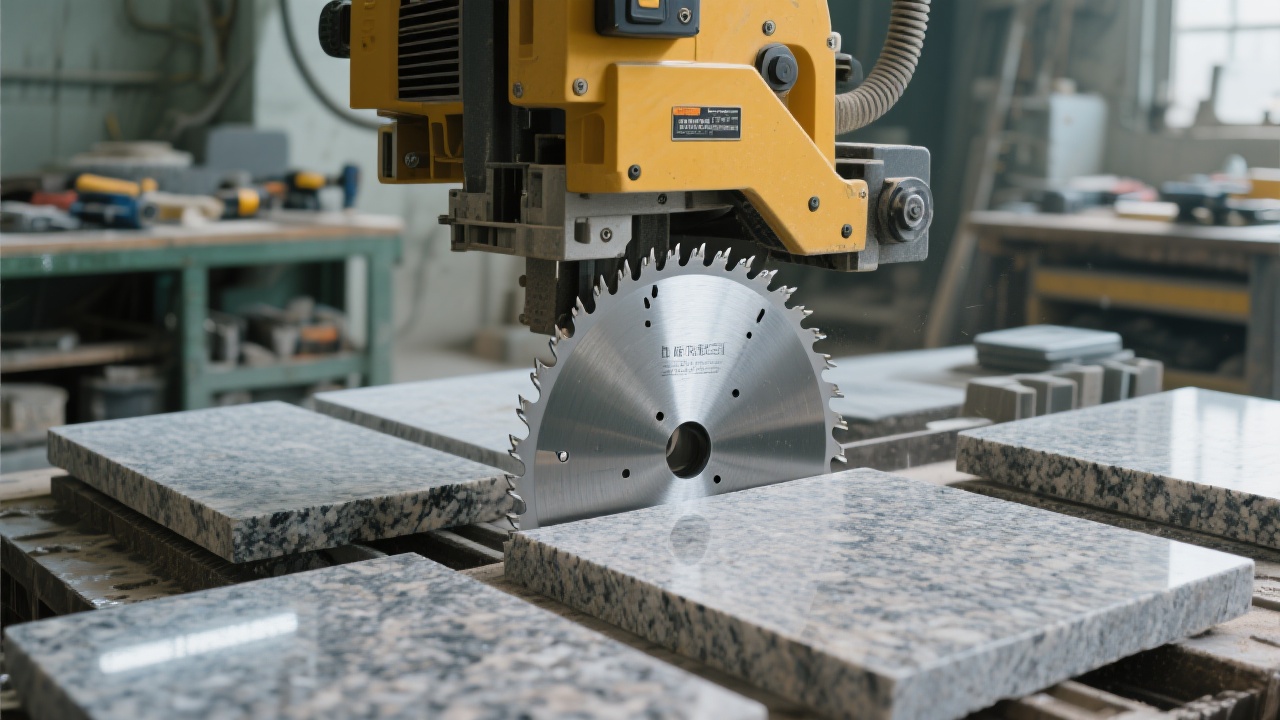
Beyond stone properties, practical considerations often dictate the cutting method:
Regardless of the cutting method chosen, blade technology remains the critical factor in achieving optimal results. Modern钎焊 diamond blades represent a significant advancement over traditional bonded blades, offering superior performance across both wet and dry applications.
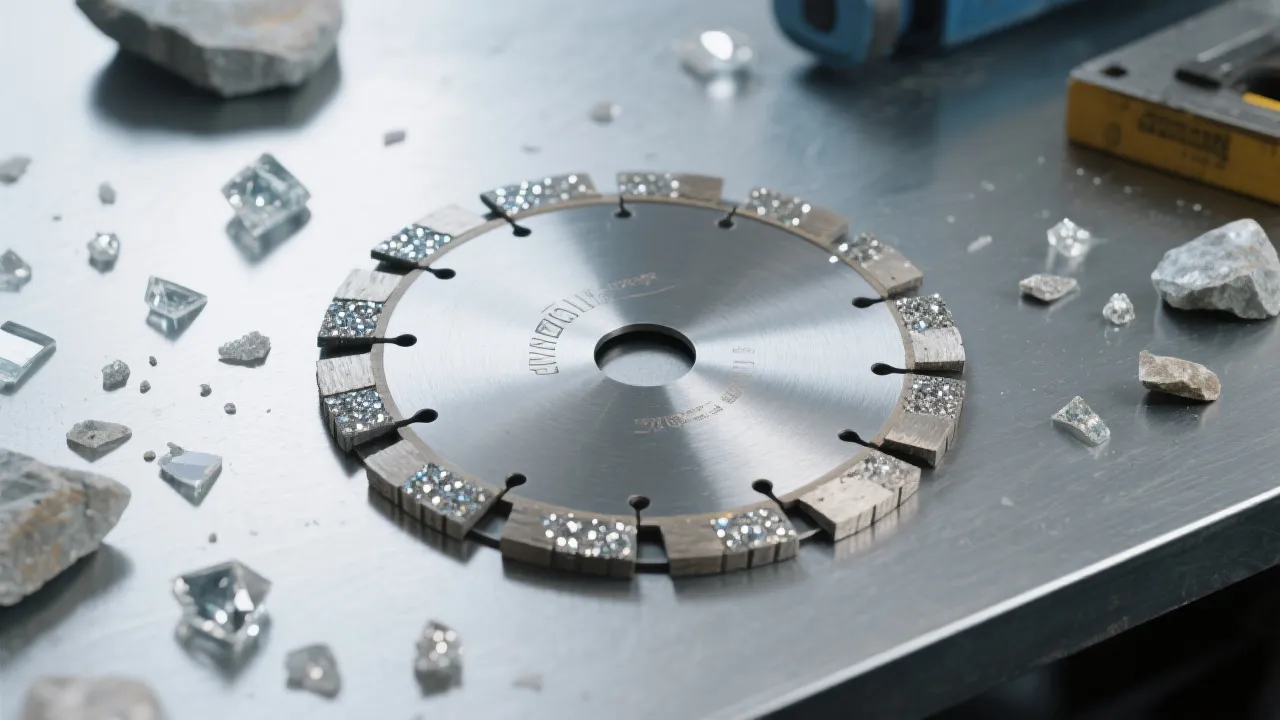
The Youde Superhard 400H brazed diamond saw blade incorporates a unique laser-welded segment design that provides 30% deeper diamond penetration into the cutting surface. This results in faster cutting speeds while maintaining blade integrity even under extreme heat conditions.
Field tests comparing the 400H to conventional blades demonstrate measurable improvements:
Contractors report that the initial investment in premium blades like the 400H is typically recouped within 2-3 projects through reduced blade replacement costs and increased productivity.
Experience the difference professional-grade equipment can make in your projects. The 400H series delivers consistent performance across all stone types and cutting methods.
Discover the 400H AdvantageA: While technically possible, it's strongly discouraged. Wet-cutting blades lack the specialized cooling vents and heat-resistant bonds of dry-cutting blades. Using a wet blade dry can result in 70-80% faster wear and increases the risk of blade warping or shattering.
A: Water with high mineral content can cause staining on certain stones, particularly marble and limestone. Using filtered or distilled water eliminates this risk. Additionally, water pH below 6.5 can accelerate blade degradation, so regular pH testing is recommended.
A: For most residential and light commercial applications, 1-2 gallons per minute (GPM) is sufficient. Heavy-duty industrial cutting may require 3-5 GPM. The goal is complete coverage of the blade's cutting edge without excessive runoff.
Every stone cutting project presents unique challenges, but understanding the fundamental principles of wet and dry cutting techniques provides a solid foundation for making informed decisions. By matching the right method to your stone type, environment, and equipment capabilities, you'll achieve superior results while maximizing efficiency and safety.
 diamond saw blades
wet & dry saw blades
high - precision cutting
construction tools
stone processing tools
stone cutting efficiency
diamond blade optimization
wet vs dry cutting
vibration reduction in stone sawing
safe stone machining practices
400mm diamond saw blade
precision cutting technology
diamond blade for stone
high manganese steel saw blade
CE certified cutting tools
Brazed diamond saw blade
Heat dissipation structure design
Saw blade service life
Industrial cutting tools
Stone processing cutting
diamond saw blade maintenance
saw blade fault diagnosis
standardized maintenance process
cutting tool operation tips
Youde Ultra-Hard 400H saw blade
diamond saw blades
wet & dry saw blades
high - precision cutting
construction tools
stone processing tools
stone cutting efficiency
diamond blade optimization
wet vs dry cutting
vibration reduction in stone sawing
safe stone machining practices
400mm diamond saw blade
precision cutting technology
diamond blade for stone
high manganese steel saw blade
CE certified cutting tools
Brazed diamond saw blade
Heat dissipation structure design
Saw blade service life
Industrial cutting tools
Stone processing cutting
diamond saw blade maintenance
saw blade fault diagnosis
standardized maintenance process
cutting tool operation tips
Youde Ultra-Hard 400H saw blade







.png?x-oss-process=image/resize,h_100,m_lfit/format,webp)
.png?x-oss-process=image/resize,h_100,m_lfit/format,webp)
.png?x-oss-process=image/resize,h_100,m_lfit/format,webp)