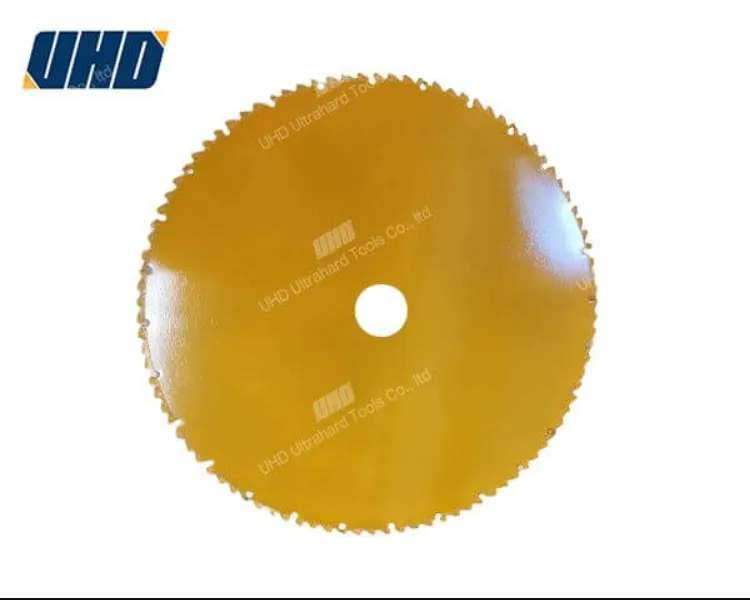
In concrete cutting, stone fabrication, and municipal renovation projects, the real schedule killer is rarely the machine—it’s the blade. Frequent blade changes, unstable cutting at high RPM, overheating during dry runs, and edge chipping on hard aggregates quietly inflate labor hours and equipment wear. This article takes a technical yet readable look at the 400H vacuum-brazed diamond saw blade from Henan Youde Superhard Tools, focusing on what matters to procurement leaders, project managers, and site engineers: bond strength, thermal control, compliance, and lifecycle cost.
Cutting productivity is typically measured in meters per minute, but the more meaningful KPI for contractors is stable output over time. Traditional blades may start strong and fade fast: once the segment overheats, diamonds glaze, cutting speed drops, and operators compensate by forcing feed rate—raising vibration, widening kerf, and accelerating spindle wear.
In hard materials like reinforced concrete, granite, and dense masonry, these effects compound. Over a single shift, the difference between “cuts fast for 20 minutes” and “cuts consistently for 4 hours” becomes the difference between meeting a deadline and rescheduling crews.
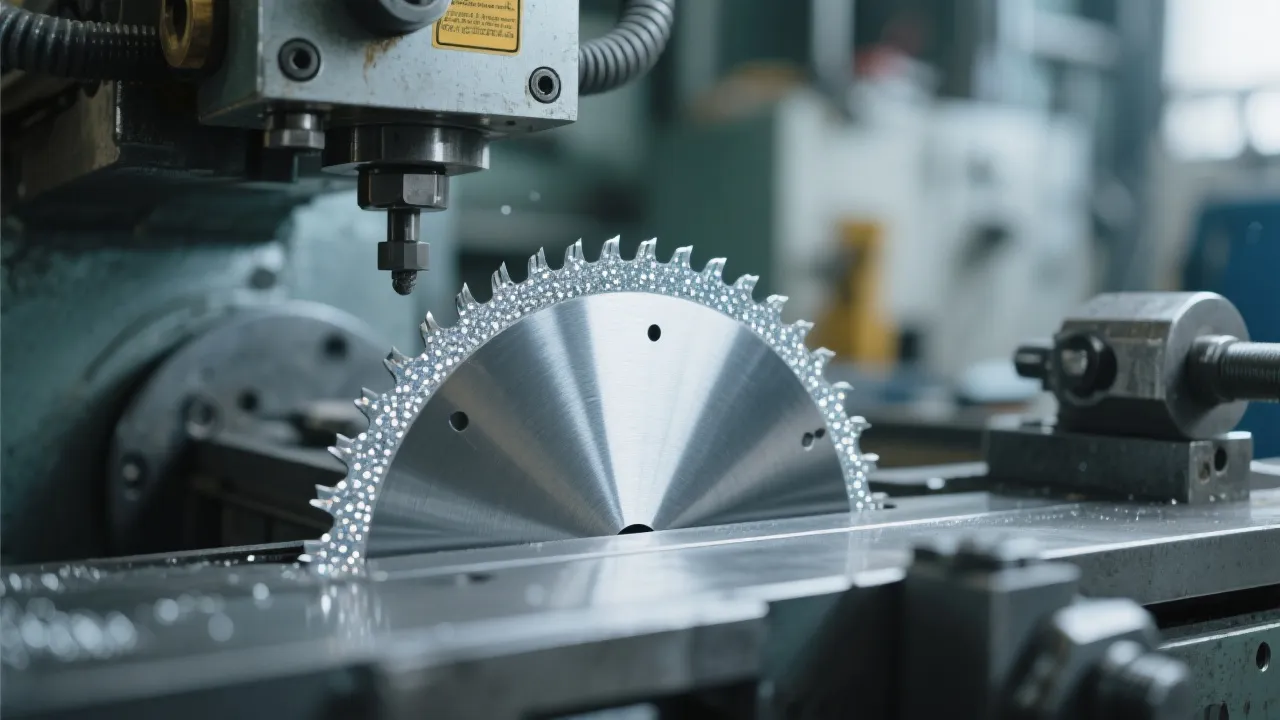
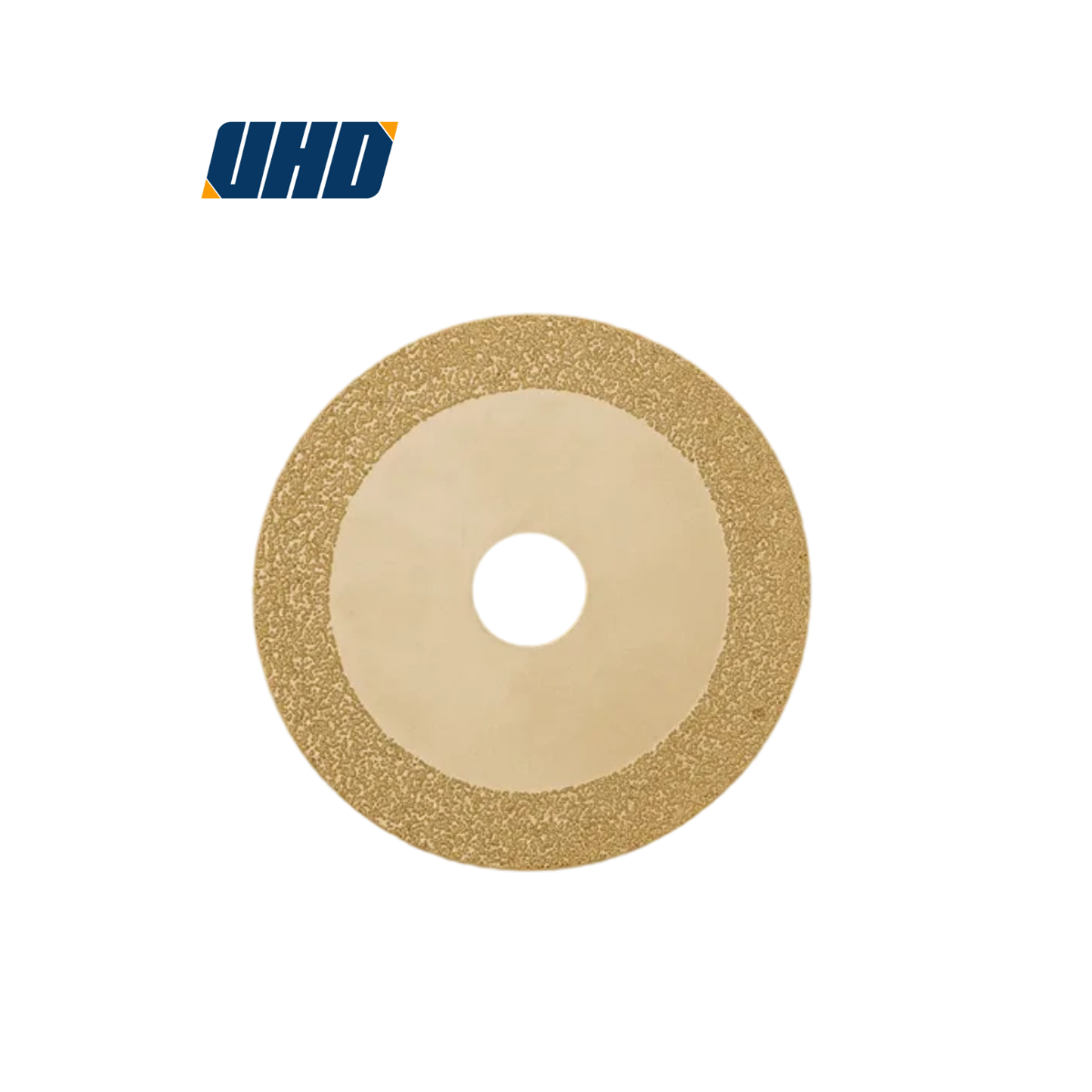
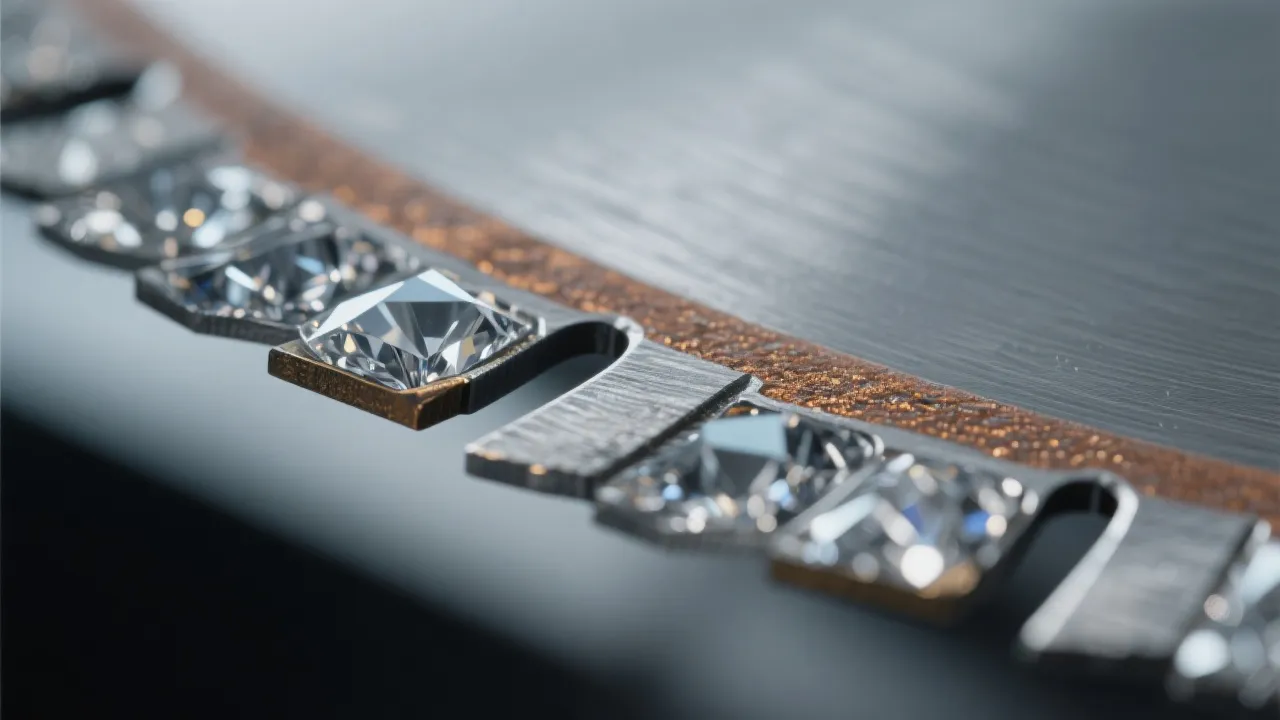
The 400H is built around a vacuum brazing process that bonds high-purity diamond grains to the cutting head with a brazing alloy under controlled vacuum conditions. In practical terms, this approach aims to solve a classic problem in high-speed cutting: diamond retention.
Compared with many conventional sintered structures, vacuum brazing can deliver a more “open” cutting surface—diamonds remain exposed and engaged with the material instead of getting buried and glazed. With better retention, the blade can sustain cutting efficiency longer before requiring dressing or replacement.
On demanding substrates (e.g., high-strength concrete with hard aggregate), contractors often report that vacuum-brazed blades keep a more consistent bite. In controlled field comparisons, it’s common to see 20–40% faster sustained cutting speed over long runs, and 30–60% longer usable segment life depending on rebar ratio, feed pressure, and cooling conditions.
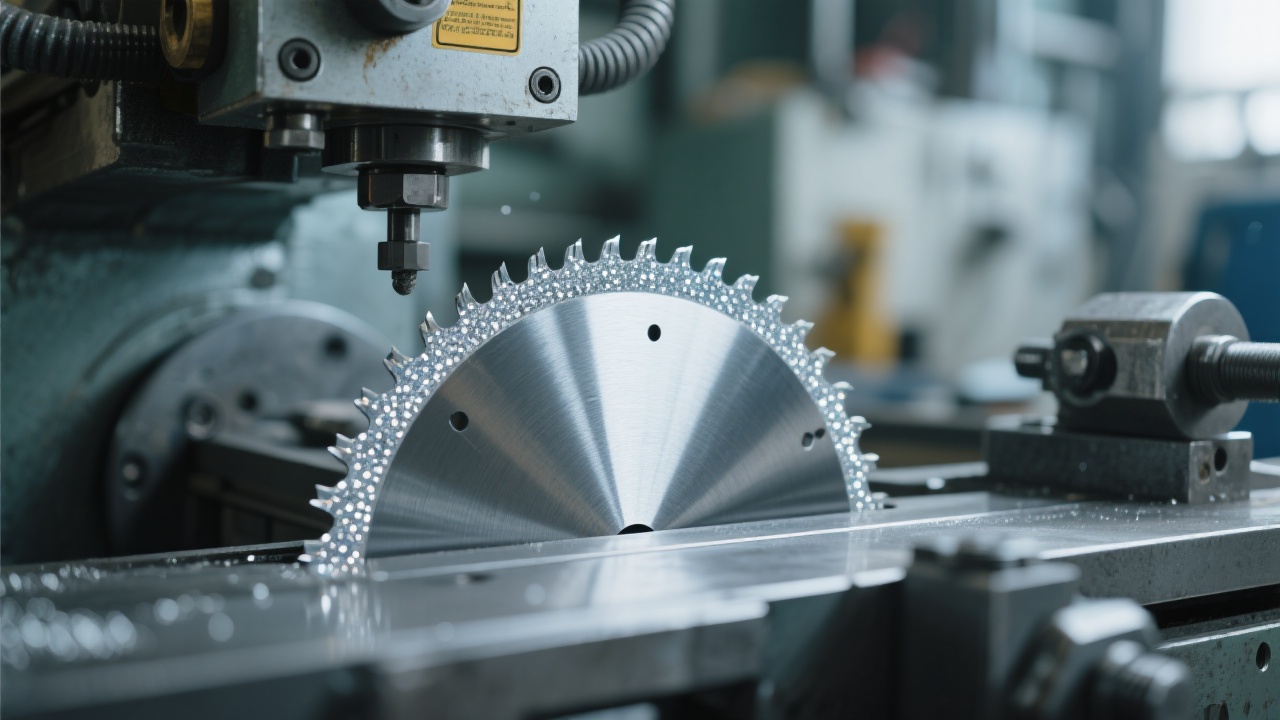
Overheating is not just a comfort issue—it’s a physics issue. Excess heat can soften bonding material, increase blade warping risk, and speed up diamond degradation. For dry cutting, the thermal challenge is even more severe, because the blade depends heavily on airflow and body design to shed heat.
The 400H integrates a heat-dissipation structure designed to increase surface area and promote airflow during rotation. While exact temperature varies by RPM, kerf depth, and material density, real jobsite monitoring typically shows that a well-designed cooling body can reduce peak operating temperature by 15–30°C during extended dry runs compared with a basic blade body.
Lower temperature is not an abstract benefit. It tends to translate into more stable cutting straightness, fewer burn marks on stone, reduced segment micro-cracking, and less “drop-off” in cutting speed after prolonged use.
For procurement and site reporting, a simple “efficiency-over-time” view is often more persuasive than a single peak-speed claim. The table below is a recommended format for an infographic on your website or project proposal.
Note: Actual results depend on material hardness, reinforcement ratio, machine power, RPM matching, and operator feed technique.
For international contractors and distributors, performance alone is not enough. Procurement often requires documentation that supports safety, traceability, and market access. CE marking is widely recognized in cross-border trade as an indicator that a product aligns with applicable EU requirements where relevant—helping reduce compliance friction for buyers managing multi-country projects.
In addition, patented design elements (often tied to segment geometry, brazing structure, or heat-management architecture) signal that a manufacturer is investing in repeatable process control, not just one-off performance. For buyers, this reduces the risk of batch-to-batch inconsistency—one of the most expensive “invisible problems” in consumable tooling.
The 400H is positioned for cutting scenarios where material hardness + continuous workload amplify the weaknesses of standard blades. Below are common applications where project teams tend to quantify improvements quickly.
In municipal projects, the job isn’t “one cut”—it’s repetitive, time-boxed cutting with strict traffic windows. With more stable performance under dry and wet conditions, teams frequently report a 10–25% reduction in total cutting time per task, mainly due to fewer slowdowns and fewer blade swaps.
For stone workshops, edge quality and thermal control matter. Reduced heat accumulation can help minimize burn marks and micro-chipping, lowering rework rates. In practice, some fabricators see 15–35% lower rework time on demanding stone batches when switching from general-purpose blades to a more heat-stable design.
Mixed substrates (brick, concrete, natural stone, occasional metal contact) demand a blade that doesn’t “fall apart” when conditions change. A vacuum-brazed structure is often favored for maintaining usable sharpness and reducing the risk of rapid glazing when operators move between materials.
A more useful procurement model is cost per completed meter (or cost per finished piece), not cost per blade. When a blade runs cooler and holds diamonds better, the savings show up in:
Over a month-long program, even a modest reduction in blade swap frequency can materially improve schedule reliability—especially where overtime and equipment rental penalties apply.
For international buyers, a blade is a consumable—but logistics is strategic. A responsive supplier reduces the operational risk of stalled projects. For the 400H, buyers typically evaluate after-sales support in three practical dimensions:
When these elements are in place, procurement teams gain confidence that performance claims can be reproduced on real sites—not only in lab conditions.
Request the technical details, CE documentation, and proven application references for the Henan Youde 400H Vacuum-Brazed Diamond Saw Blade. A clear spec match today can save hours of downtime on the next concrete or granite job.
Learn More About the 400H Diamond Saw Blade (Tech Specs & Success Cases)Typical info to prepare: material type, blade diameter, machine power, dry/wet cutting, and daily workload.


 diamond saw blade maintenance
saw blade fault diagnosis
standardized maintenance process
cutting tool operation tips
Youde Ultra-Hard 400H saw blade
brazed diamond saw blade
enhanced brazing technology
ISO-certified saw blades
saw blade maintenance guide
industrial cutting tools
400mm diamond saw blade
high-efficiency cutting technology
ultra-hard material tools
high-manganese steel base
eco-friendly cutting
ultra-hard brazed diamond saw blade
industrial diamond cutting tools
400mm diamond blade
vibration reduction technology
heat dissipation design
Brazed diamond saw blade technology
400mm brazed saw blade
Construction cutting tool selection
Hard material cutting solutions
Brazed saw blade performance advantages
diamond saw blade maintenance
saw blade fault diagnosis
standardized maintenance process
cutting tool operation tips
Youde Ultra-Hard 400H saw blade
brazed diamond saw blade
enhanced brazing technology
ISO-certified saw blades
saw blade maintenance guide
industrial cutting tools
400mm diamond saw blade
high-efficiency cutting technology
ultra-hard material tools
high-manganese steel base
eco-friendly cutting
ultra-hard brazed diamond saw blade
industrial diamond cutting tools
400mm diamond blade
vibration reduction technology
heat dissipation design
Brazed diamond saw blade technology
400mm brazed saw blade
Construction cutting tool selection
Hard material cutting solutions
Brazed saw blade performance advantages






.png?x-oss-process=image/resize,h_100,m_lfit/format,webp)
.png?x-oss-process=image/resize,h_100,m_lfit/format,webp)
.png?x-oss-process=image/resize,h_100,m_lfit/format,webp)