
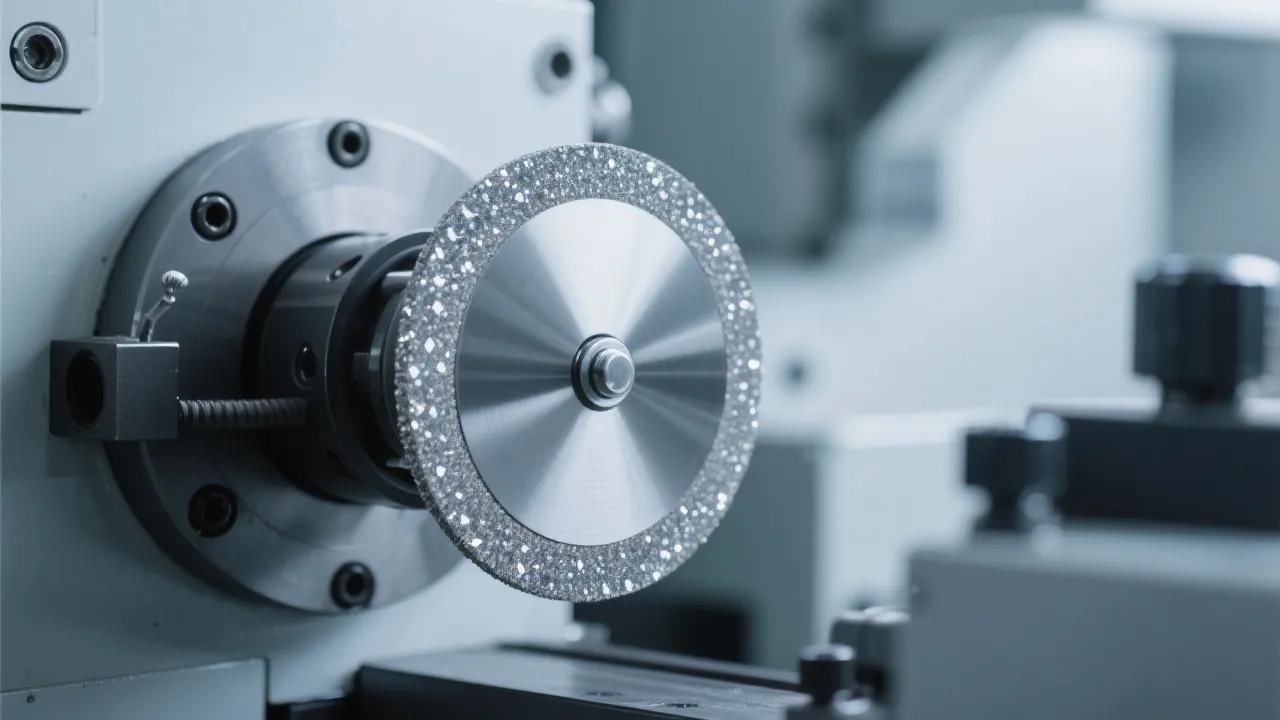
In today’s competitive metal processing industry, unexpected tool failure can halt production, resulting in costly downtime and lost revenue. For foreign trade manufacturing enterprises, rapidly identifying and addressing these disruptions is critical to maintaining continuous operation and meeting delivery deadlines. This guide offers a systematic approach to diagnosing common tool failure symptoms—such as abnormal vibration, surface burning, and dimensional deviations—with practical insights designed to empower frontline engineers and technical managers.
Understanding tool failure begins with recognizing the diagnostic signs:
These failure modes typically result from intertwined mechanical, operational, and environmental factors. For example, the interaction of spindle speed, feed rate, and coolant application directly influences tool life and product quality.
Employing an integrated set of diagnostic methods enhances problem resolution speed. Essential tools include:
Integrating these data streams forms a closed-loop diagnosis model, where findings continuously refine corrective actions until optimal cutting stability is achieved.
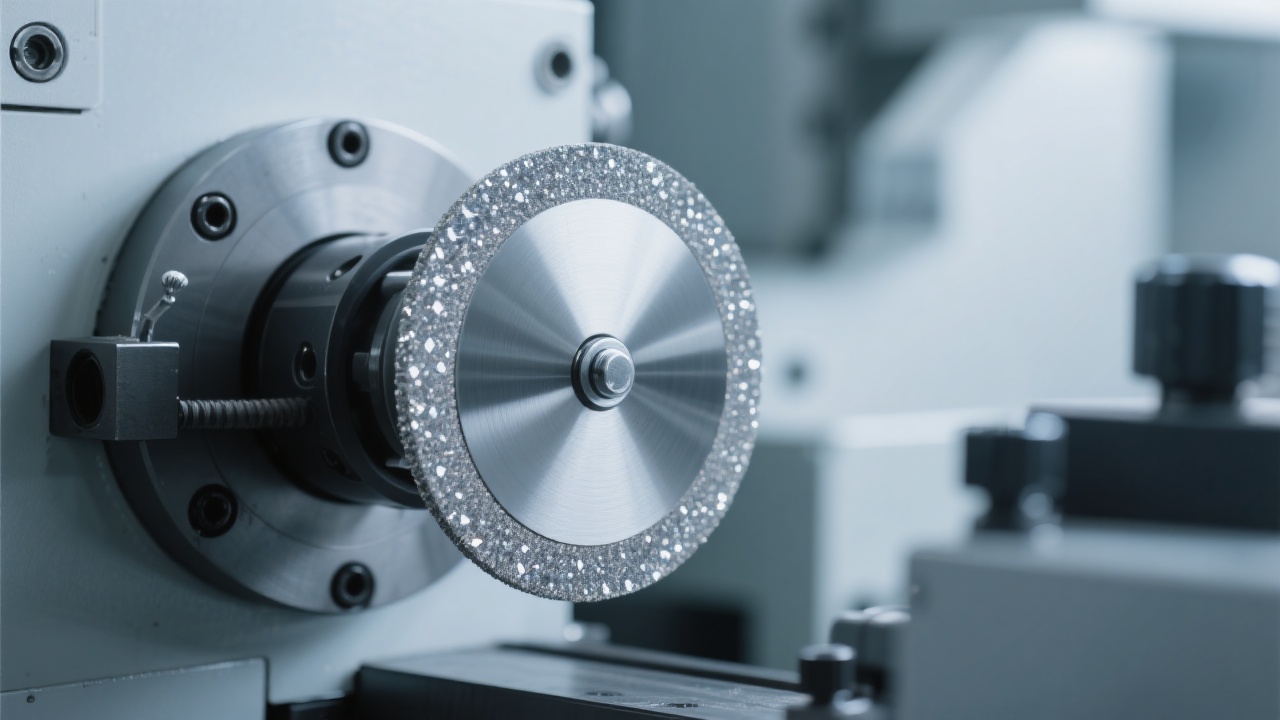
A leading metal parts manufacturer faced recurrent spindle vibration causing early diamond tool failure and poor surface finish on aerospace-grade aluminum alloys. Through vibration analysis, engineers identified resonance frequencies at 5 kHz related to loose tool holders. Adjusting clamping torque, combined with optimized feed rates, reduced vibration amplitude by 40%, extending tool life by 25%.
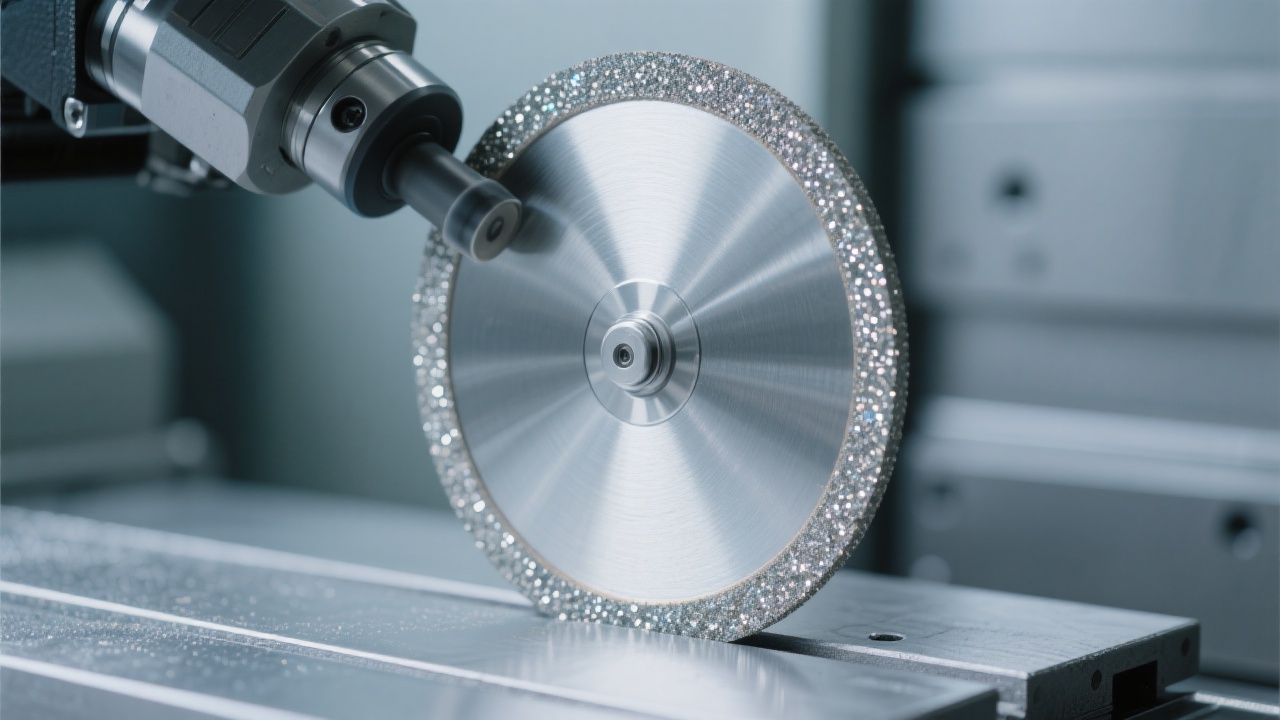
Simultaneously, temperature monitoring revealed overheating during finish cuts, prompting coolant flow rate increase and slight spindle speed reduction for thermal stability. Post-intervention results included a 15% increase in overall throughput due to fewer tool changes.
To prevent tool failure and maximize UHD diamond tool lifespan, consider these optimization guidelines:
| Parameter | Recommended Range | Notes |
|---|---|---|
| Spindle Speed | 2,500 - 3,500 RPM | Adjust based on material hardness |
| Feed Rate | 0.05 - 0.12 mm/rev | Ensure constant chip load |
| Coolant Flow | ≥ 20 L/min | Maintain cutting zone below 200°C |
Proper machine upkeep complements tool diagnostics:
Engage with our engineering community — share your experiences or questions regarding tool failure diagnosis and maintenance practices to foster collective improvement. Let’s drive innovation together in metalworking technology.
 hard stone cutting technology
diamond saw blade selection
high hardness stone processing
heat dissipation structure
brazed diamond saw blade
400mm diamond blade cutting techniques
brazed diamond blade maintenance
stone cutting efficiency optimization
dry wet cutting blade application
diamond blade lifespan extension
400mm brazed diamond saw blade
diamond saw blade cutting efficiency
stone processing tool recommendation
construction industry cutting solution
wet and dry cutting saw blade
stone saw blade heating
high - efficiency heat dissipation structure
cutting efficiency improvement
saw blade service life extension
wet and dry cutting technology
Diamond saw blade brazing process
Silver-copper alloy brazing
Vacuum brazing comparison
Reasons for grain shedding in dry-cutting saw blades
High-precision industrial cutting
hard stone cutting technology
diamond saw blade selection
high hardness stone processing
heat dissipation structure
brazed diamond saw blade
400mm diamond blade cutting techniques
brazed diamond blade maintenance
stone cutting efficiency optimization
dry wet cutting blade application
diamond blade lifespan extension
400mm brazed diamond saw blade
diamond saw blade cutting efficiency
stone processing tool recommendation
construction industry cutting solution
wet and dry cutting saw blade
stone saw blade heating
high - efficiency heat dissipation structure
cutting efficiency improvement
saw blade service life extension
wet and dry cutting technology
Diamond saw blade brazing process
Silver-copper alloy brazing
Vacuum brazing comparison
Reasons for grain shedding in dry-cutting saw blades
High-precision industrial cutting






.png?x-oss-process=image/resize,h_100,m_lfit/format,webp)
.png?x-oss-process=image/resize,h_100,m_lfit/format,webp)
.png?x-oss-process=image/resize,h_100,m_lfit/format,webp)




.png?x-oss-process=image/resize,m_fill,h_800,w_800/format,webp)