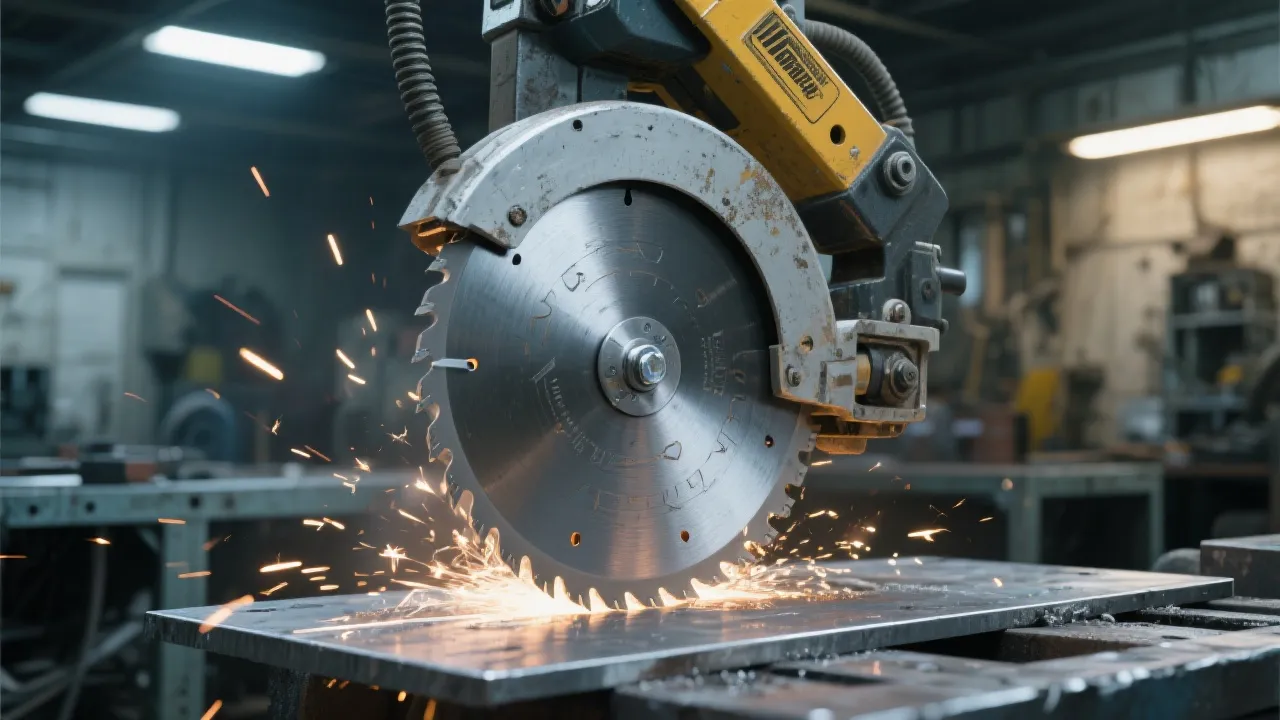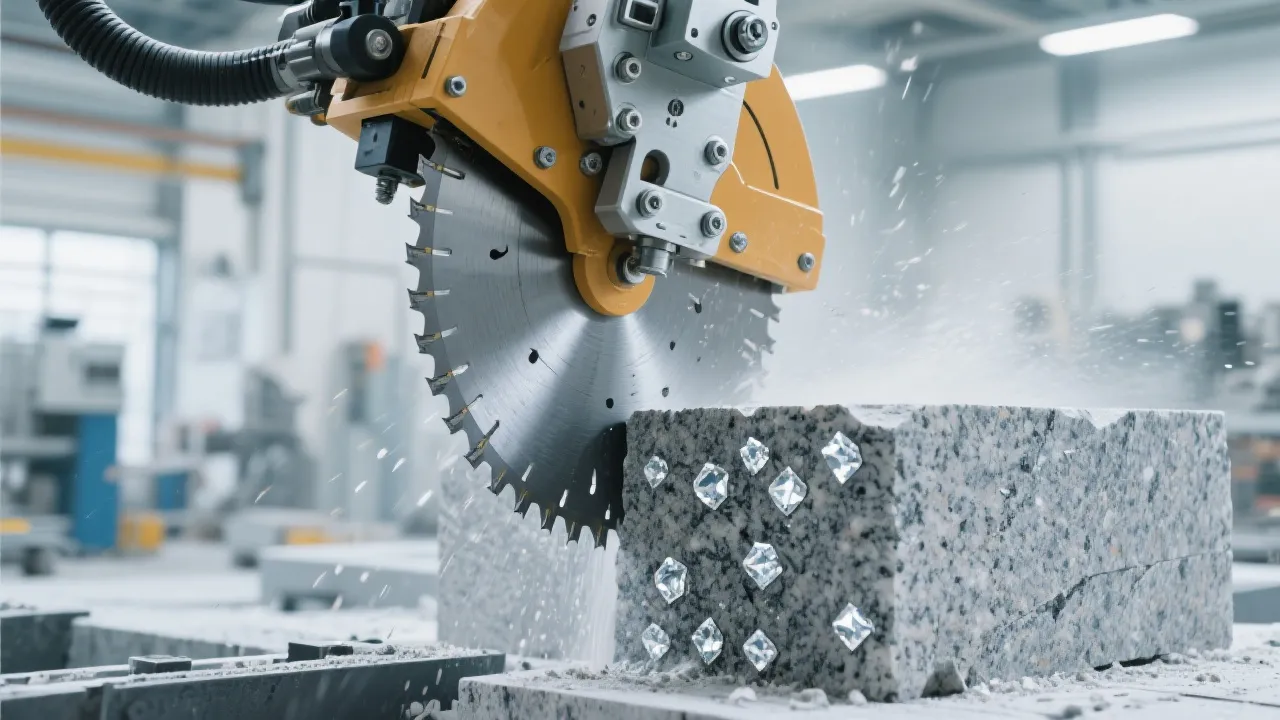
As a stone processing professional, you know that cutting tiles and granite presents unique challenges. The efficiency of cutting these two materials can vary significantly, and understanding the underlying factors is crucial for optimizing your operations. In this article, we'll delve into the microscopic structural characteristics of tiles and granite, and how they impact saw blade wear and cutting performance. We'll also provide practical tips on adjusting feed speed, pressure, and coolant usage based on material hardness, brittleness, and grain distribution, helping you avoid abnormal saw blade wear and stone breakage.
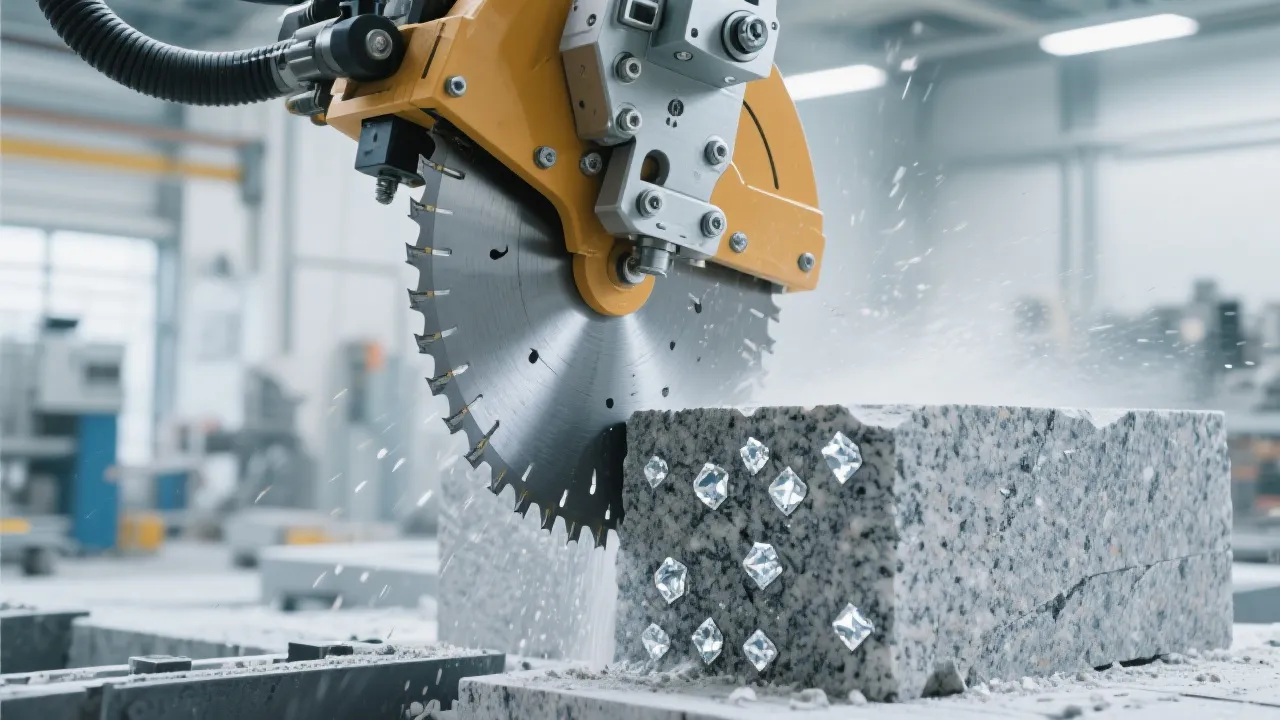
Tiles and granite have distinct physical properties that affect their cutting behavior. Granite, for example, has a Mohs hardness of around 6 to 7, making it relatively hard and resistant to scratching. Tiles, on the other hand, can vary in hardness depending on the type, but generally have a lower Mohs hardness compared to granite. The density, hardness, and fracture toughness of these materials play a significant role in how the saw blade interacts with them during cutting.
To better understand these differences, let's take a look at the following table:
| Material | Mohs Hardness | Density (g/cm³) | Fracture Toughness (MPa·m¹/²) |
|---|---|---|---|
| Granite | 6 - 7 | 2.6 - 2.7 | 1.5 - 2.5 |
| Tile | 4 - 6 | 2.0 - 2.5 | 0.5 - 1.5 |
These differences in physical properties mean that the saw blade will experience different levels of wear and cutting resistance when working with tiles and granite. For instance, the harder and more dense granite will require a more robust saw blade and potentially different cutting parameters compared to tiles.
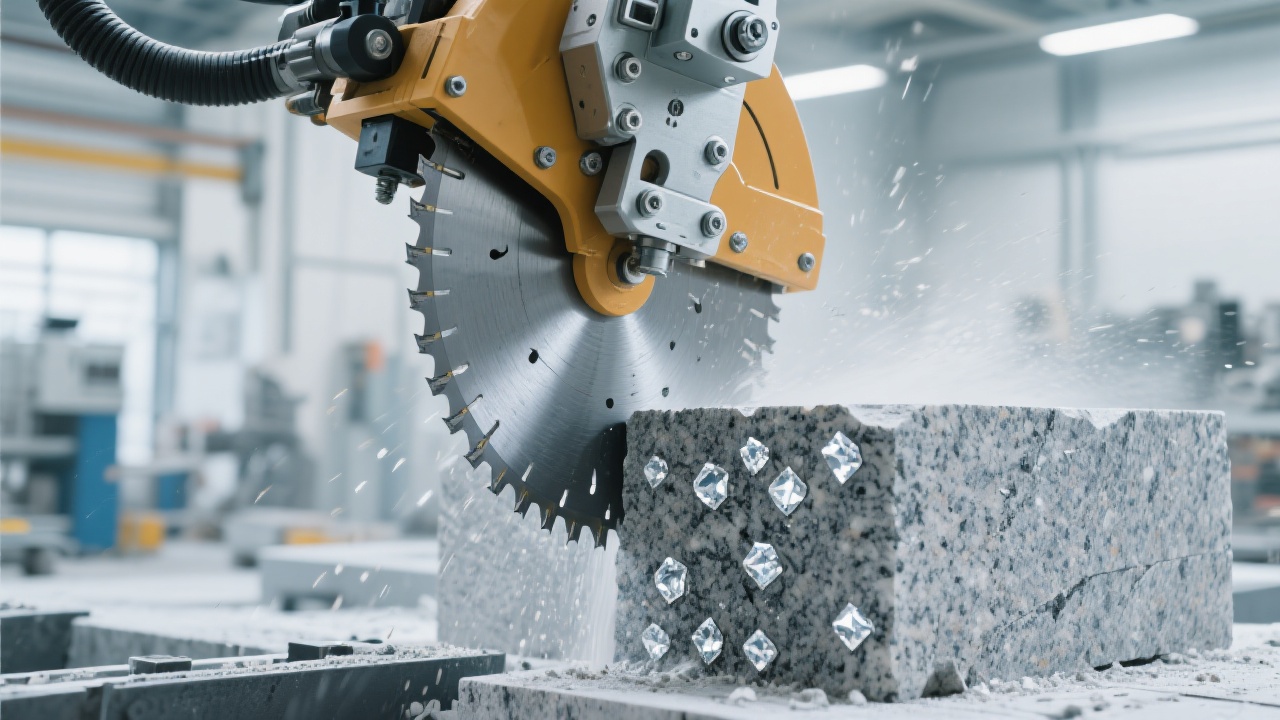
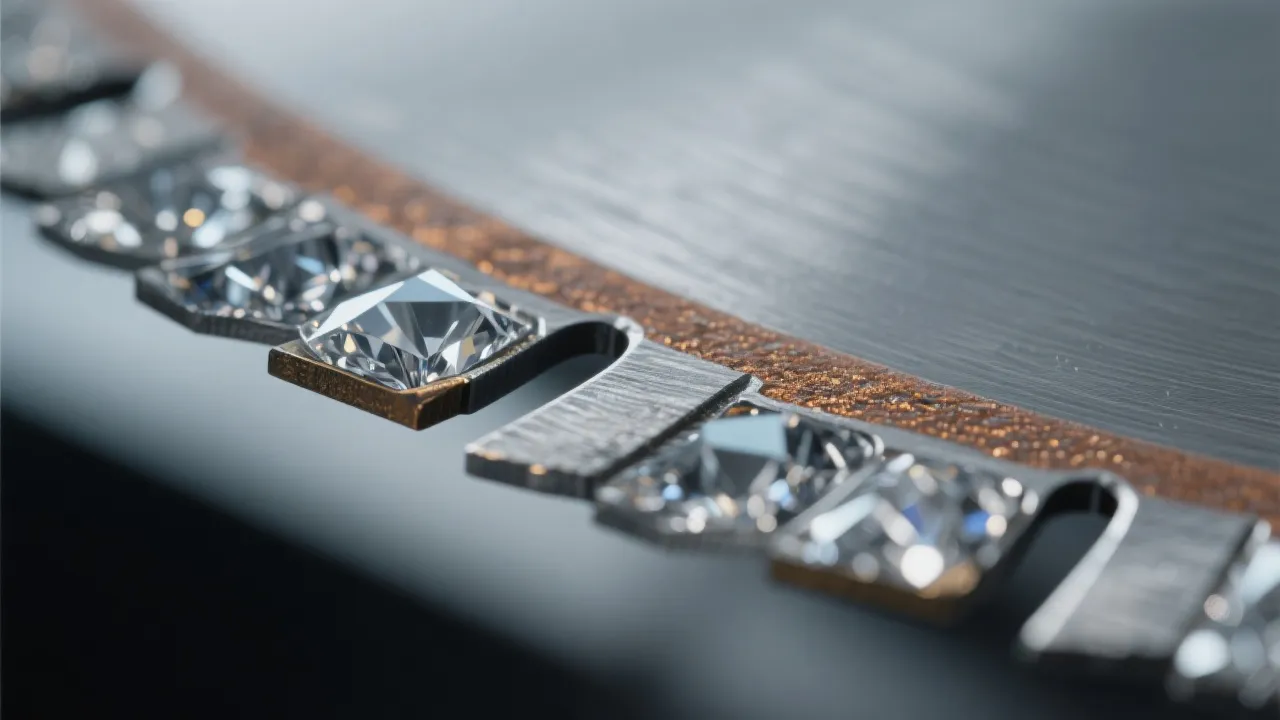
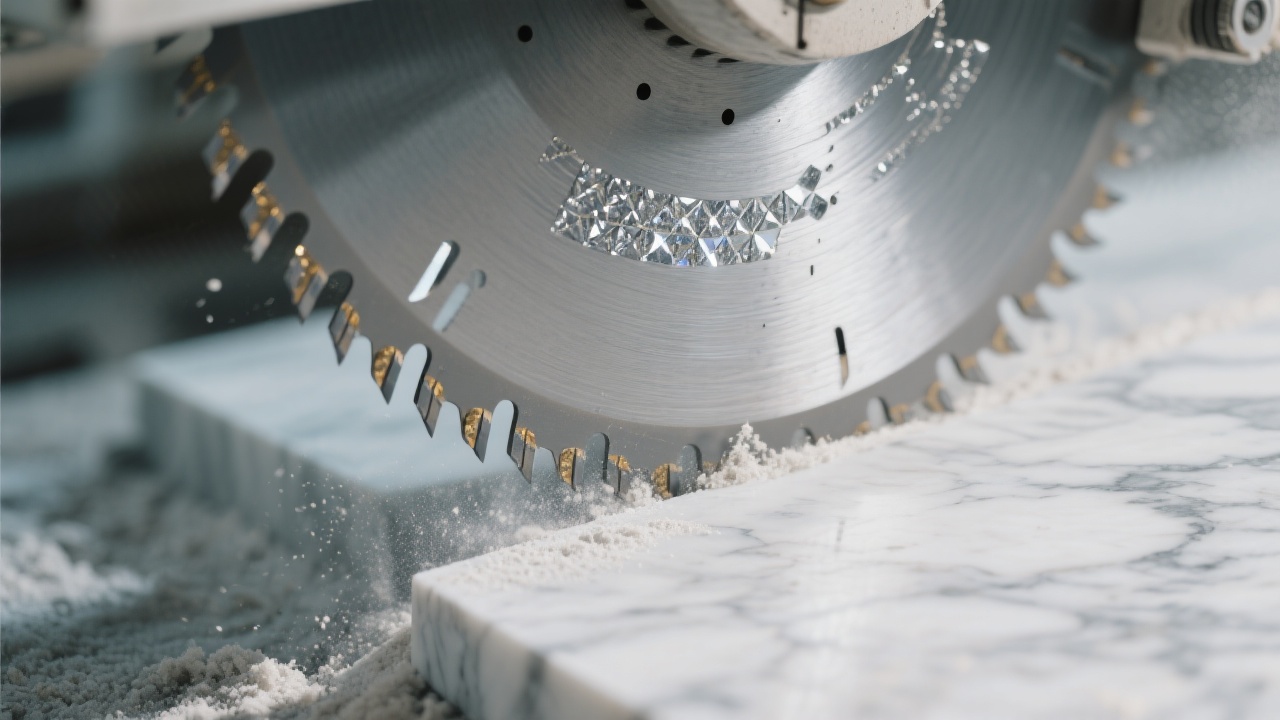
The wear patterns of saw blades can vary depending on the material being cut. When cutting granite, the high hardness and density can cause the saw blade to experience more abrasive wear. This can lead to the formation of thermal cracks on the blade, which can reduce its cutting efficiency and lifespan. On the other hand, when cutting tiles, the lower hardness and brittleness may result in accelerated wear due to the material's tendency to break and chip.
Understanding these wear patterns is essential for choosing the right saw blade and adjusting your cutting parameters accordingly. By identifying the specific wear mechanisms at play, you can take steps to minimize blade wear and ensure consistent cutting performance.
To achieve efficient and precise cutting, it's important to optimize your cutting parameters based on the material being cut. Here are some key variables to consider:
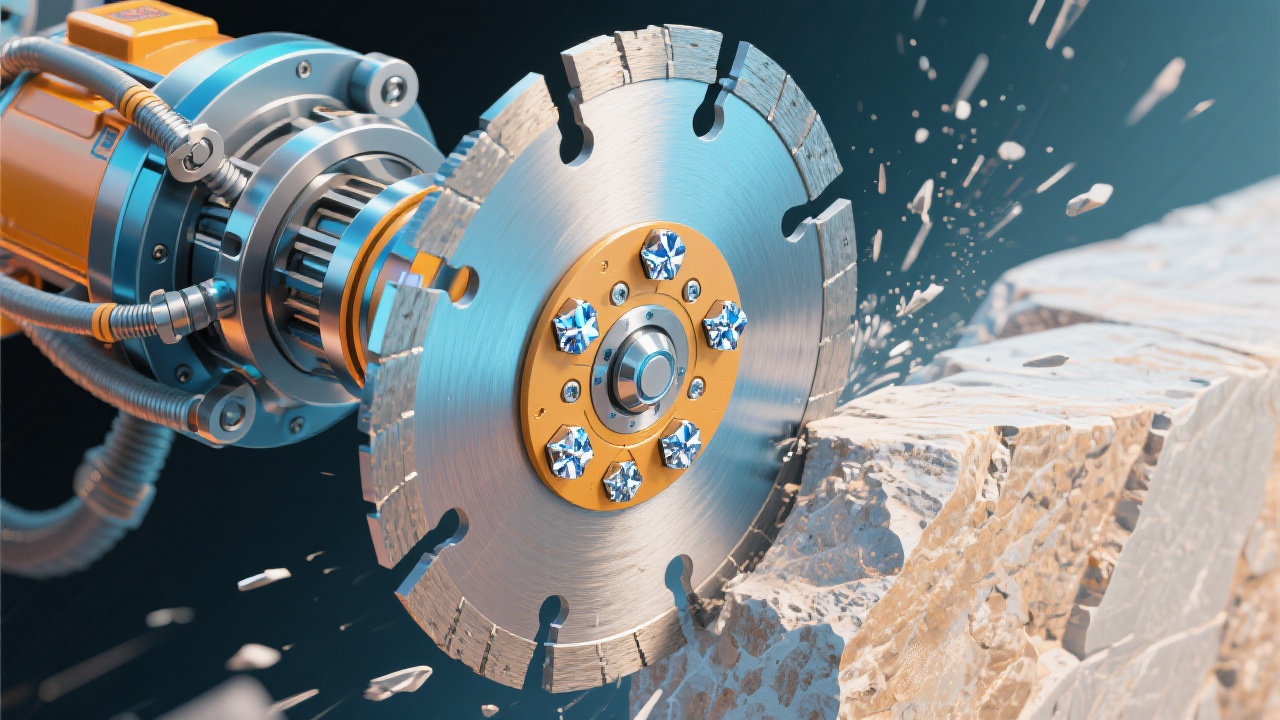
To ensure consistent cutting quality, it's important to use industry standards for quality control. The ISO surface roughness assessment is one such standard that can be used to quantify the quality of the cut surface. By measuring the surface roughness, you can identify any issues with the cutting process and make adjustments as needed.
Implementing these quality control measures can help you improve your cutting process and ensure that your products meet the highest standards.
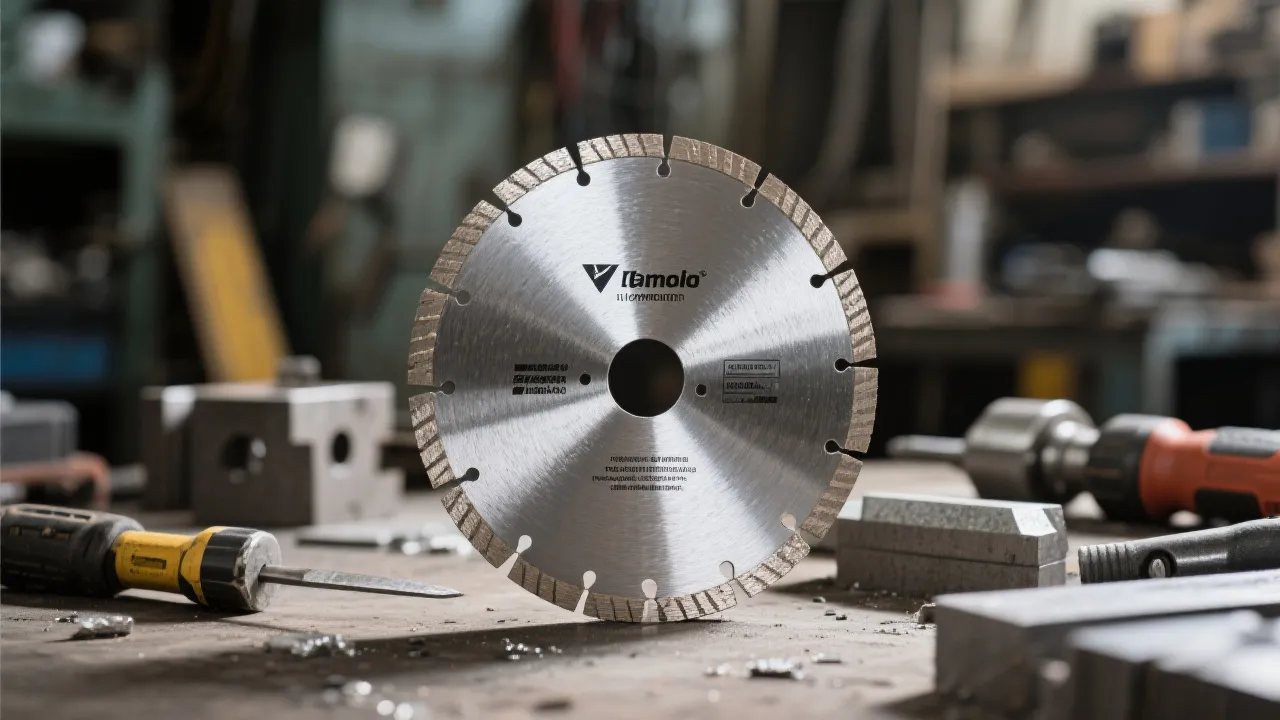
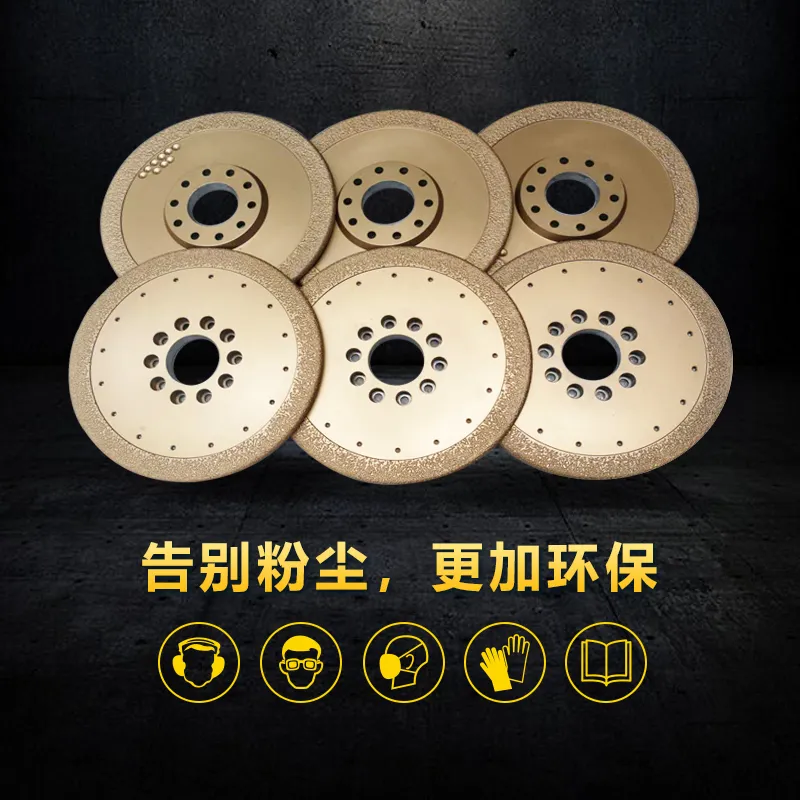
When it comes to cutting tiles and granite, the UHD Super Hard 400H saw blade is a top choice. This blade is specifically designed for these materials, with a reinforced bonding technology and a heat dissipation design that significantly extends its lifespan and improves cutting accuracy.
Whether you're working with hard granite or more brittle tiles, the UHD Super Hard 400H saw blade can provide the performance and reliability you need. Its advanced design allows it to adapt to different cutting conditions, ensuring consistent results every time.
We hope this article has provided you with valuable insights into tile and granite cutting. If you have any questions or need further advice, please leave a comment below. And if you're looking for a high-quality saw blade for your stone processing needs, check out the UHD Super Hard 400H saw blade and experience the difference it can make in your cutting operations.

 Diamond saw blade usage techniques
Wet & dry saw blade maintenance
Construction tool maintenance
High - precision cutting technology
Stone processing equipment maintenance
wet cutting vs dry cutting
stone cutting techniques
diamond saw blade application
granite cutting method
tile cutting guide
Vibration-damping saw blade
Concrete cutting technology
Diamond saw blade performance optimization
Building demolition tools
Floor cutting solutions
Diamond saw blade tooth profile design
Industrial dust control
Gray cast iron cutting
Ductile iron processing
Environment - friendly cutting solutions
Concrete cutting vibration reduction
Dynamic balance calibration
Elastic connectors
High - efficiency cutting technology
Diamond saw blades
Diamond saw blade usage techniques
Wet & dry saw blade maintenance
Construction tool maintenance
High - precision cutting technology
Stone processing equipment maintenance
wet cutting vs dry cutting
stone cutting techniques
diamond saw blade application
granite cutting method
tile cutting guide
Vibration-damping saw blade
Concrete cutting technology
Diamond saw blade performance optimization
Building demolition tools
Floor cutting solutions
Diamond saw blade tooth profile design
Industrial dust control
Gray cast iron cutting
Ductile iron processing
Environment - friendly cutting solutions
Concrete cutting vibration reduction
Dynamic balance calibration
Elastic connectors
High - efficiency cutting technology
Diamond saw blades





.png?x-oss-process=image/resize,h_100,m_lfit/format,webp)
.png?x-oss-process=image/resize,h_100,m_lfit/format,webp)
.png?x-oss-process=image/resize,h_100,m_lfit/format,webp)