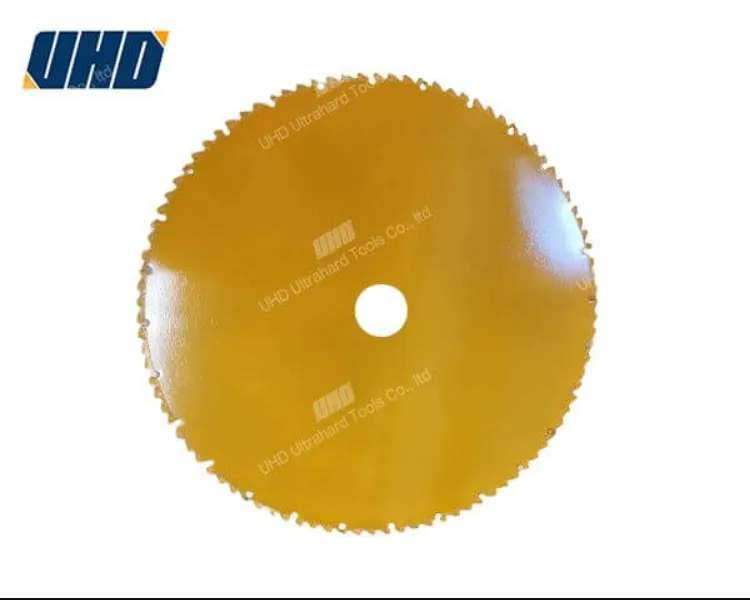
In stone processing plants, the problem of eccentric wear on cutting blades is a frequently overlooked yet critical issue. If left unaddressed, it significantly reduces cutting efficiency, shortens blade lifespan by over 30%, and can even lead to safety hazards during operation. You may have noticed uneven blade performance, unexpected downtime, or expensive replacement costs—all signs pointing directly to this underlying issue.
Eccentric wear occurs when the blade does not rotate perfectly centered around its axis. This imbalance introduces irregular friction and stress, accelerating deterioration. The three primary causes you must consider include:
Each of these factors alone contributes to accelerated eccentric wear; combined, they amplify damage, leading to irreversible blade loss.
Preventing eccentric wear requires a disciplined approach that encompasses daily routines and scheduled maintenance. Implementing the following measures will directly extend your blade’s service life and maintain worksite safety:
Adopting these steps aligns with the principle that prevention is far superior to repair, and is especially vital for maintaining production continuity.
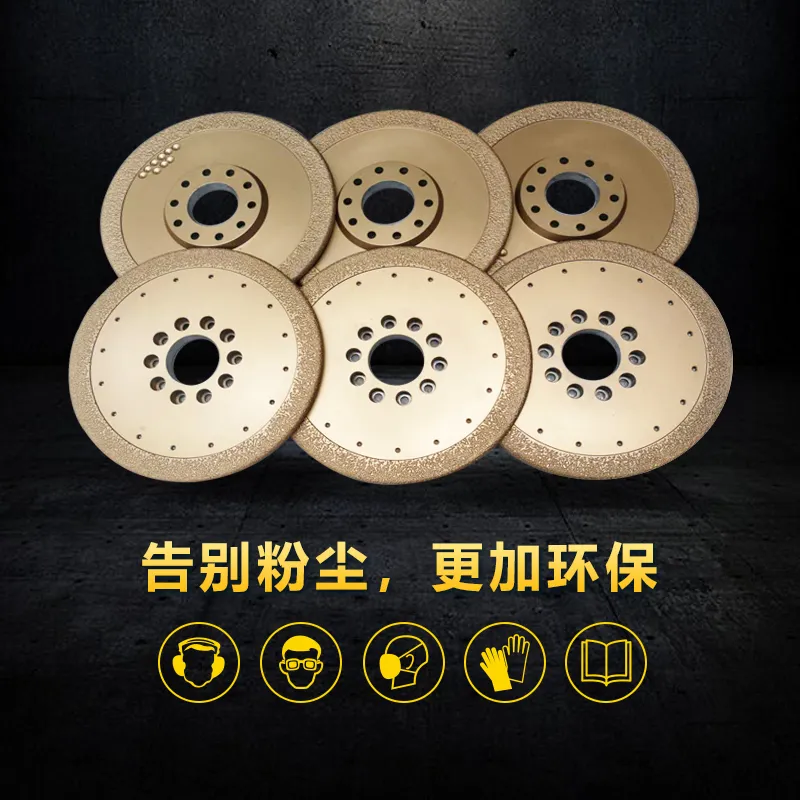
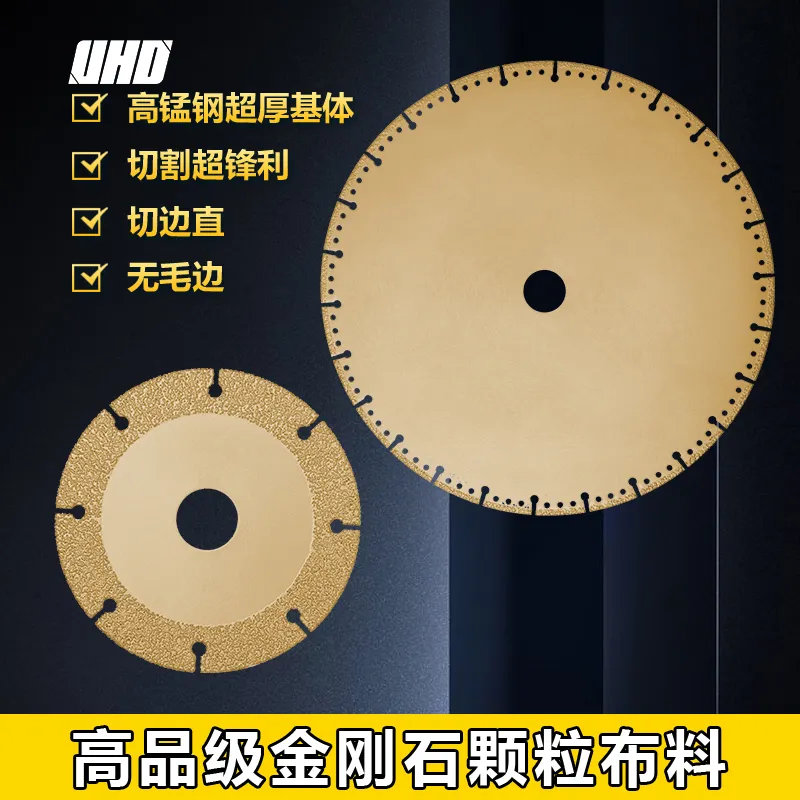
Top-tier blades, like the Yude 400H brazed diamond cutting blade, incorporate cutting-edge manufacturing techniques designed to combat these issues from the root. Its benefits include:
Leveraging these product strengths alongside your maintenance protocols offers a comprehensive defense against eccentric wear.
Consider this: a stone processing facility reported a 25% production loss due to unplanned downtime attributed to blade failures linked to eccentric wear. After implementing a stringent maintenance schedule and switching to the Yude 400H blades, they saw a 40% increase in blade life and a notable 15% boost in daily output within three months. The ROI from preventive measures clearly outweighs reactive costs.
"Have you encountered eccentric wear challenges in your operations? Share your experiences and troubleshooting tips in the comments below to help the community grow."
Building an effective blade lifecycle management system integrating both technology and maintenance is key. For detailed technical resources, operational checklists, and expert advice on maximizing your cutting equipment’s performance, visit our comprehensive Yude 400H Technical Document Library.
 tile cutting offset
fixture stability
vibration suppression structure
hard material cutting
cutting accuracy improvement
brazed diamond saw blades
ISO 9001 certification
industrial cutting efficiency
heat dissipation structure design
superhard tools
Diamond saw common problems
Saw maintenance skills
Youde Superhard 400H
Cutting fault troubleshooting
Efficient and safe cutting
hard stone cutting technology
diamond saw blade selection
high hardness stone processing
precision stone cutting techniques
brazed diamond saw blades
Brazed diamond saw blades
Industrial cutting efficiency improvement
Diamond saw blade heat dissipation design
Heavy-duty cutting solutions
Yude Superhard 400H
tile cutting offset
fixture stability
vibration suppression structure
hard material cutting
cutting accuracy improvement
brazed diamond saw blades
ISO 9001 certification
industrial cutting efficiency
heat dissipation structure design
superhard tools
Diamond saw common problems
Saw maintenance skills
Youde Superhard 400H
Cutting fault troubleshooting
Efficient and safe cutting
hard stone cutting technology
diamond saw blade selection
high hardness stone processing
precision stone cutting techniques
brazed diamond saw blades
Brazed diamond saw blades
Industrial cutting efficiency improvement
Diamond saw blade heat dissipation design
Heavy-duty cutting solutions
Yude Superhard 400H






.png?x-oss-process=image/resize,h_100,m_lfit/format,webp)
.png?x-oss-process=image/resize,h_100,m_lfit/format,webp)
.png?x-oss-process=image/resize,h_100,m_lfit/format,webp)