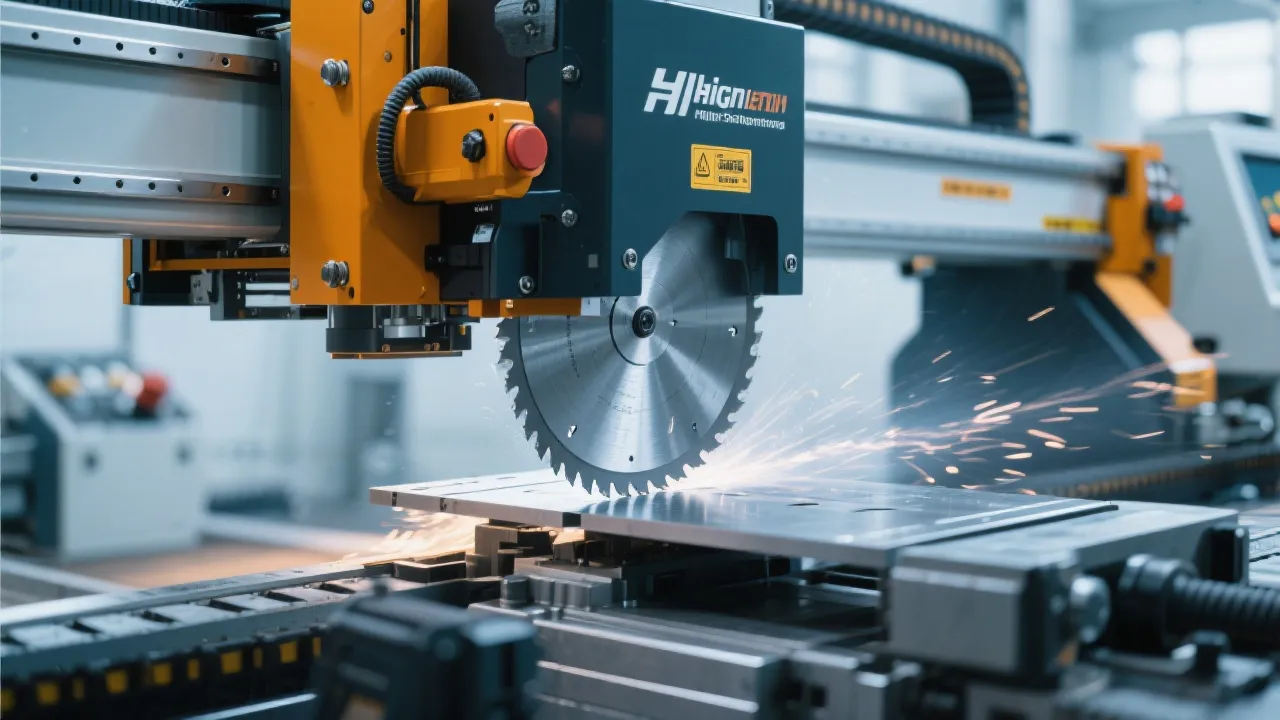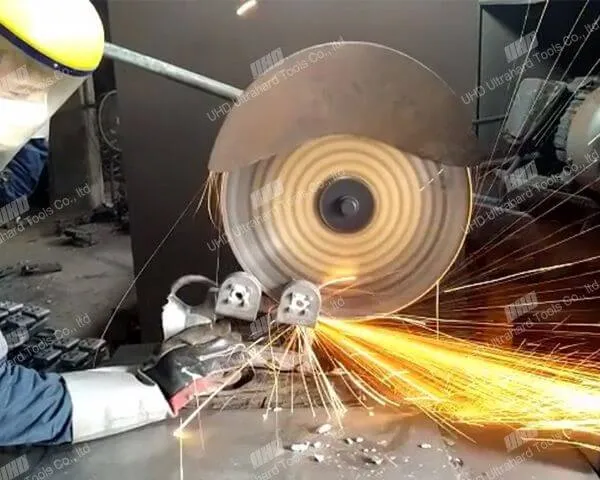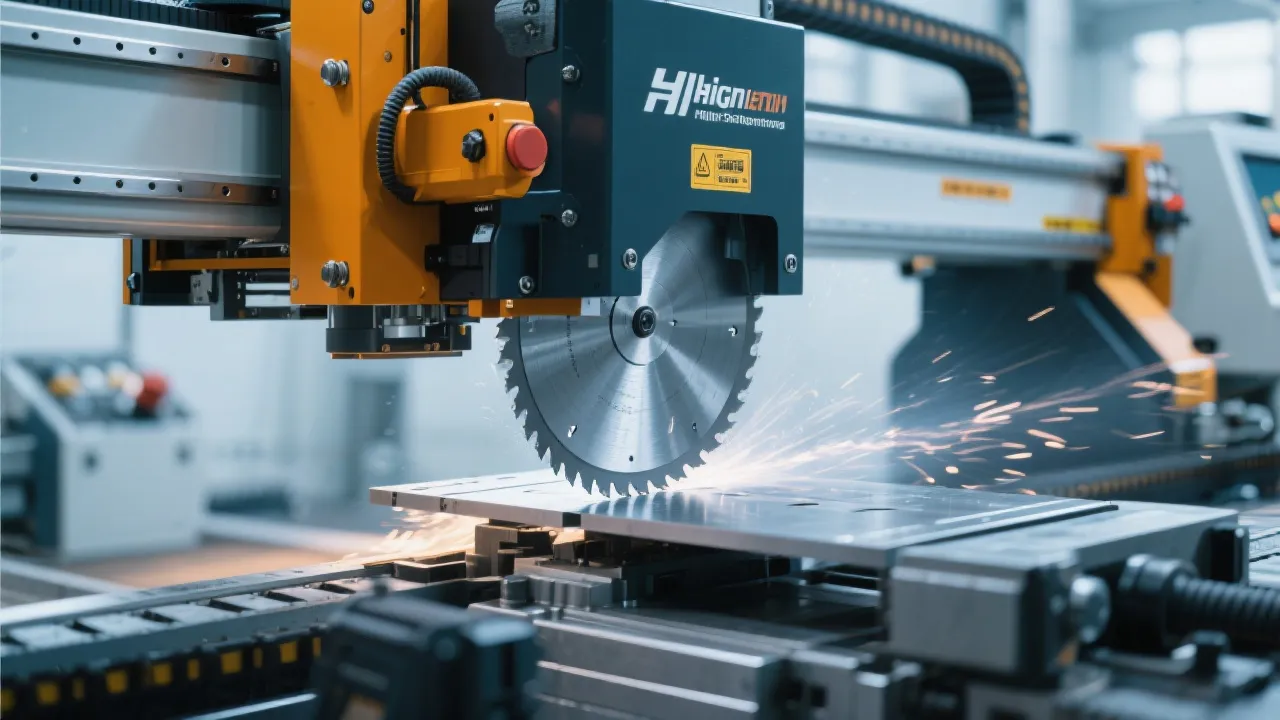
You may have encountered situations where ordinary saw blades wear out quickly and fail to provide the precision you need. This is often due to several factors. Firstly, the welding technology used in ordinary saw blades is not as advanced as that in high - quality ones. For example, the bonding strength between the diamond particles and the base material is relatively weak, which leads to the premature shedding of diamond particles during cutting. Secondly, the base material of ordinary saw blades may not have sufficient hardness and toughness, resulting in deformation during cutting and thus affecting the cutting precision.
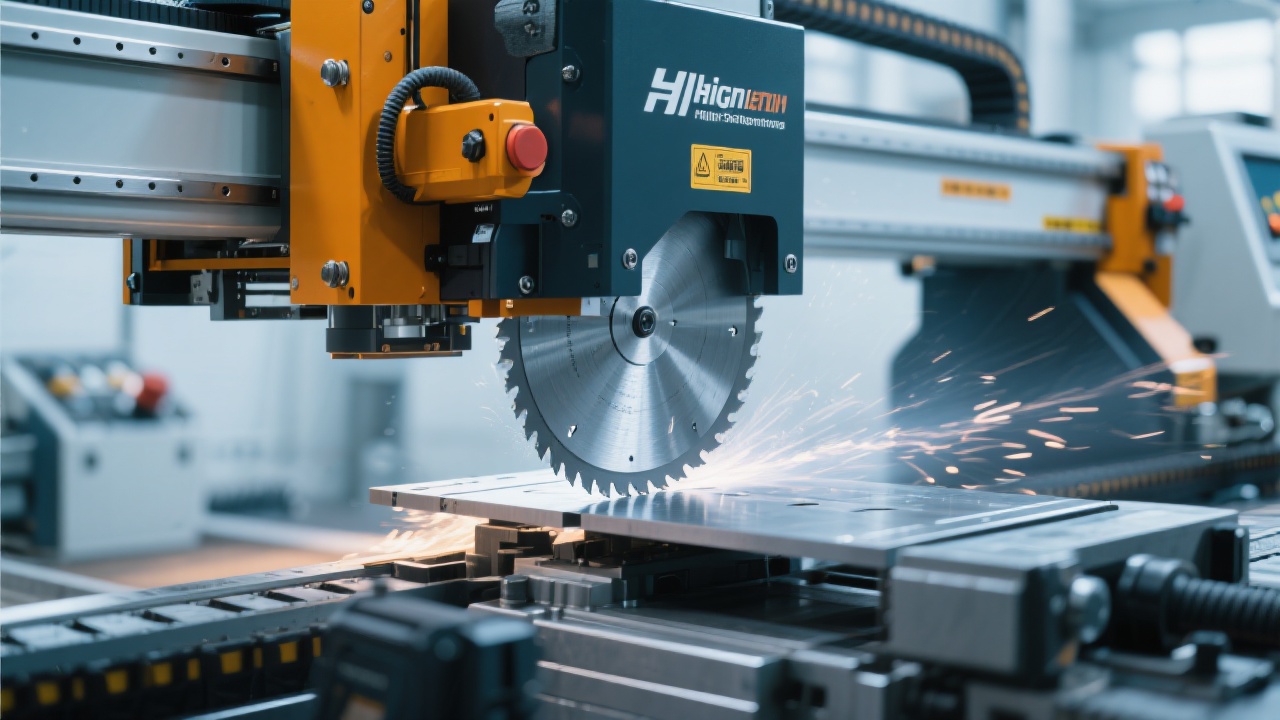
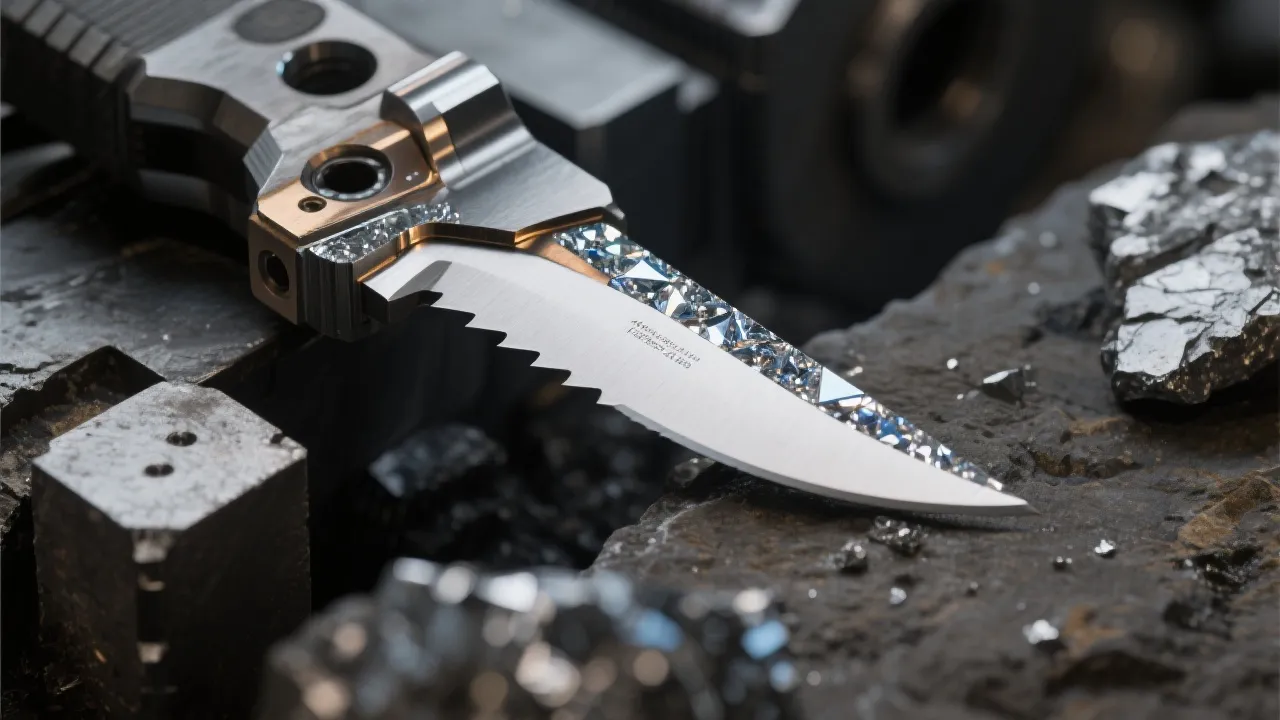
Reinforced brazing is a key technology in manufacturing high - quality brazed diamond saw blades. Compared with ordinary welding, reinforced brazing can significantly improve the bonding strength between the diamond and the base material. Studies have shown that the bonding strength of reinforced brazing can be up to 3 - 5 times higher than that of ordinary welding. This means that the diamond particles are more firmly fixed on the base material, which not only improves the cutting efficiency but also extends the service life of the saw blade. For example, in a granite cutting project, a saw blade using reinforced brazing can cut up to 50% more granite volume than an ordinary welding saw blade before significant wear occurs.
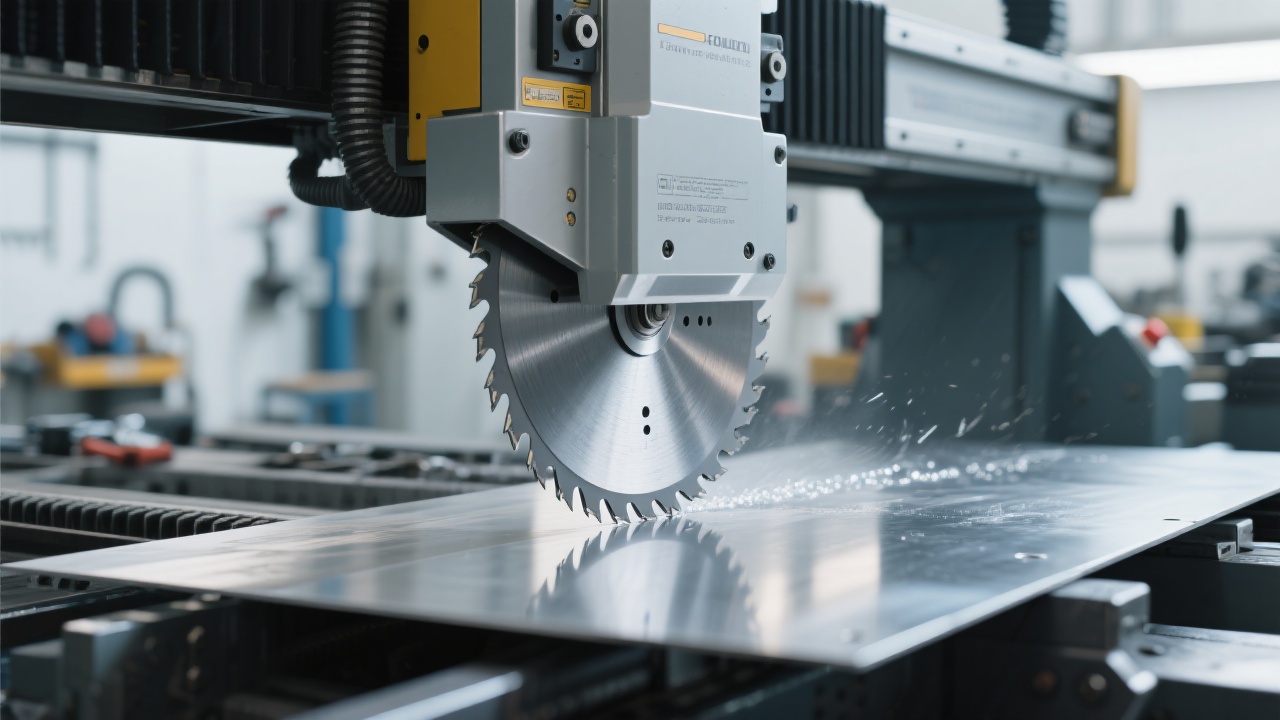
The base material of the saw blade plays a crucial role in its performance. High - quality base materials, such as special alloy steels, have excellent wear resistance and anti - deformation ability. For instance, a saw blade with a high - strength alloy steel base can withstand higher cutting forces without deforming, ensuring stable cutting performance. In contrast, a saw blade with a low - quality base material may deform easily under high - pressure cutting, which not only affects the cutting precision but also shortens the service life of the saw blade.
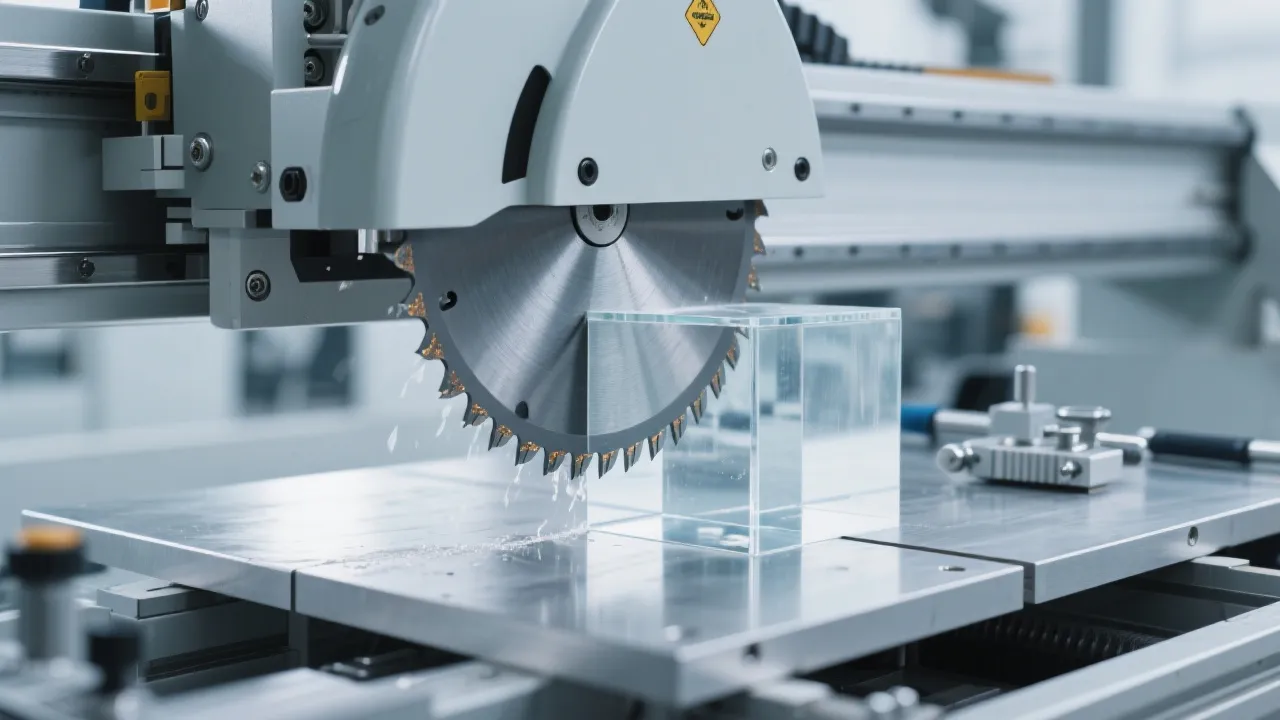
The diameter of the saw blade is closely related to its application scenarios. For example, a 400mm diameter saw blade is suitable for different cutting tasks. In dry cutting scenarios, a 400mm saw blade can provide sufficient cutting depth and speed for medium - hardness materials such as granite. In wet cutting scenarios, it can also effectively cool the blade and improve the cutting efficiency. When cutting softer materials, a larger - diameter saw blade may not be necessary, while for harder materials, a larger - diameter saw blade can provide more cutting force.
ISO certification is an important indicator of the quality of saw blades. A saw blade with ISO certification means that it meets international quality standards in terms of production process, material selection, and performance testing. This ensures that each saw blade produced has consistent quality. When you are choosing a saw blade, make sure to check its ISO certification to avoid purchasing low - quality products. Some unscrupulous manufacturers may claim that their products are high - end, but without ISO certification, their quality cannot be guaranteed.
Proper maintenance can significantly extend the service life of the saw blade. After each use, you should clean the saw blade with a soft brush and a mild cleaning solution to remove debris and residues. Store the saw blade in a dry and cool place to prevent rust. Regularly check the saw blade for any signs of wear or damage, such as cracks or missing diamond particles. If any problems are found, replace the saw blade in time.
There are some common misunderstandings when choosing saw blades. For example, some people think that the thicker the saw blade, the better. In fact, a too - thick saw blade may increase the cutting resistance and reduce the cutting efficiency. Another misunderstanding is that the higher the price, the more reliable the saw blade. While high - quality saw blades usually have a higher price, price is not the only factor to consider. You should also consider the performance, quality, and application scenarios of the saw blade.
In conclusion, choosing a high - quality brazed diamond saw blade is crucial for improving cutting efficiency. By understanding the key factors such as welding technology, base material, saw blade diameter, and ISO certification, you can make a more scientific choice. If you want to learn more about UHD saw blade technology, click to download the UHD saw blade technology white paper.


 Common faults of diamond saw blades
Saw blade lifespan extension methods
Industrial saw blade maintenance
Difference between wet and dry cutting
Brazed saw blade maintenance
Diamond saw blade usage techniques
Wet & dry saw blade maintenance
Construction tool maintenance
High - precision cutting technology
Stone processing equipment maintenance
brazed diamond saw blade maintenance
extending saw blade lifespan
diamond blade care tips
industrial cutting tool保养
stone cutting blade upkeep
400mm diamond saw blade
high-efficiency cutting technology
superhard material tools
eco-friendly dust reduction
CE certified saw blade
diamond blade vibration control
400mm diamond saw blade performance
diamond blade chipping prevention
stone cutting blade optimization
precision brazed diamond segments
Common faults of diamond saw blades
Saw blade lifespan extension methods
Industrial saw blade maintenance
Difference between wet and dry cutting
Brazed saw blade maintenance
Diamond saw blade usage techniques
Wet & dry saw blade maintenance
Construction tool maintenance
High - precision cutting technology
Stone processing equipment maintenance
brazed diamond saw blade maintenance
extending saw blade lifespan
diamond blade care tips
industrial cutting tool保养
stone cutting blade upkeep
400mm diamond saw blade
high-efficiency cutting technology
superhard material tools
eco-friendly dust reduction
CE certified saw blade
diamond blade vibration control
400mm diamond saw blade performance
diamond blade chipping prevention
stone cutting blade optimization
precision brazed diamond segments





.png?x-oss-process=image/resize,h_100,m_lfit/format,webp)
.png?x-oss-process=image/resize,h_100,m_lfit/format,webp)
.png?x-oss-process=image/resize,h_100,m_lfit/format,webp)