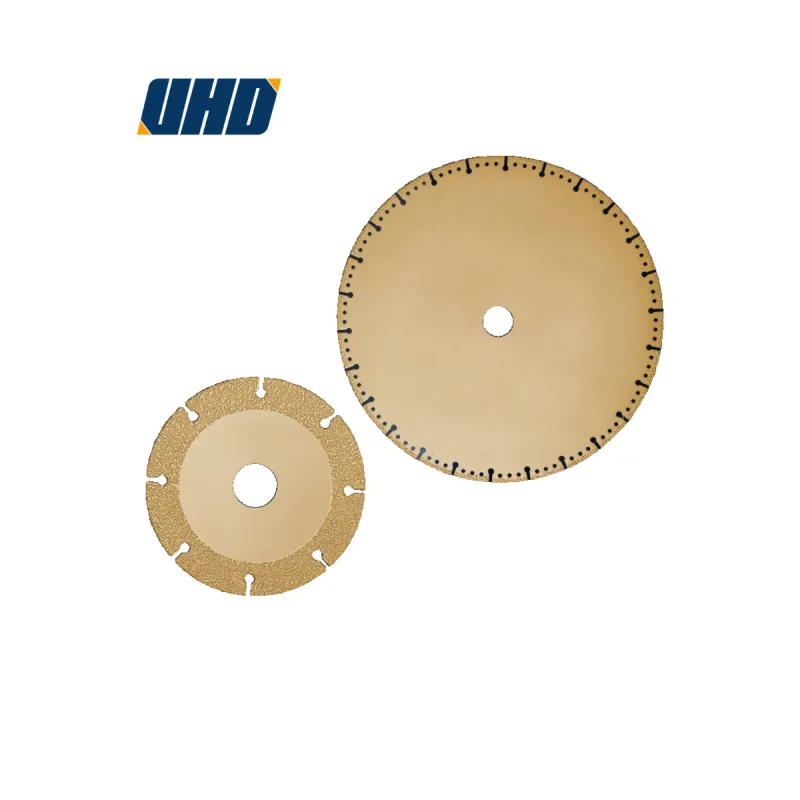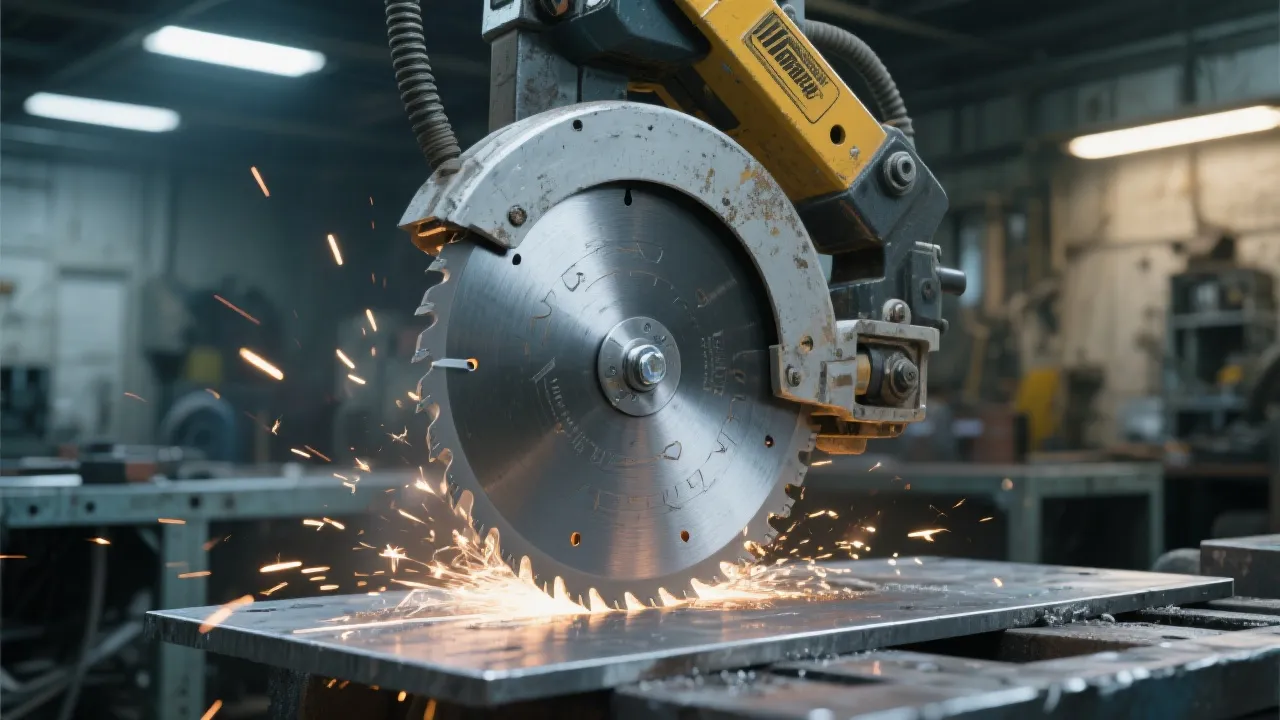
Workers in foundries and automotive component factories often face a silent threat—fine metal dust from cutting operations. According to OSHA, prolonged exposure to airborne particulates like those generated during gray cast iron cutting can lead to chronic respiratory issues, with some studies showing up to 40% higher incidence of occupational lung diseases in poorly ventilated workshops.
But it’s not just about health—it’s also about compliance. The latest ISO 16000-2:2023 standard sets strict limits on workplace PM10 levels (≤ 0.5 mg/m³), making smart tooling and extraction systems essential for legal operation and worker safety.
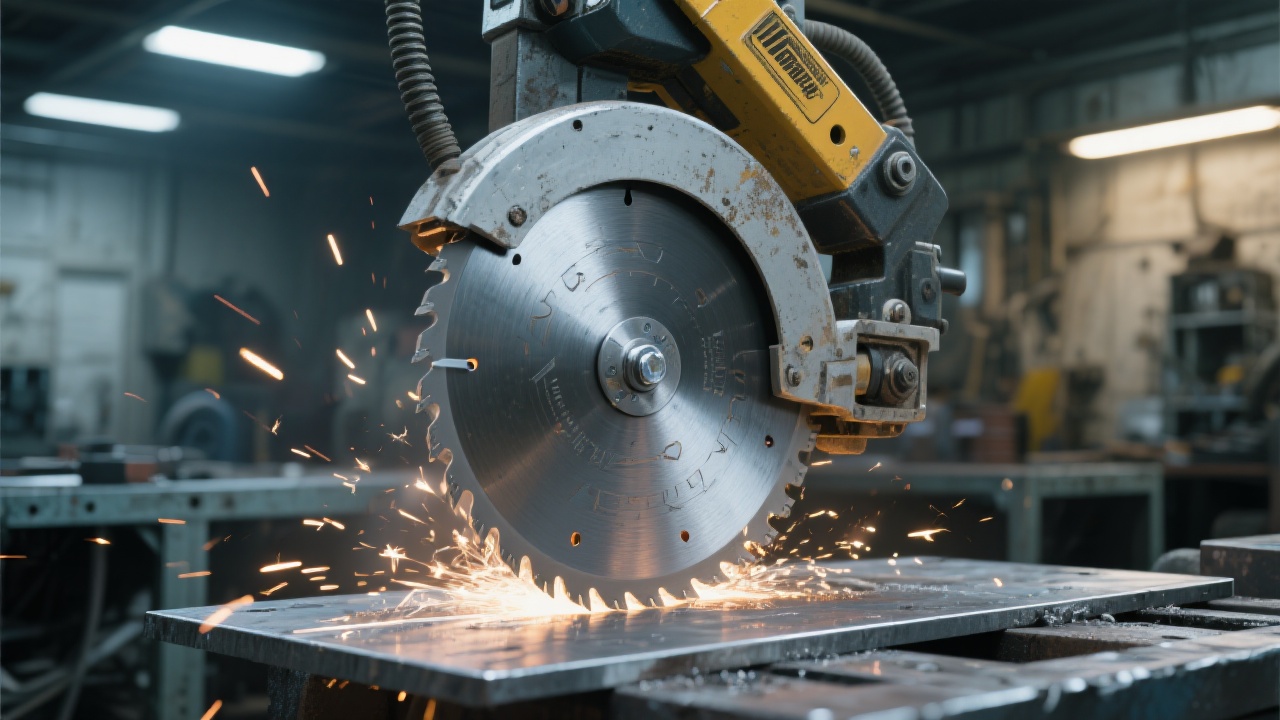
Not all saw blades are created equal. Traditional straight-edge teeth produce coarse chips and high-speed fragmentation—leading to significant airborne dust. In contrast, specialized designs such as trapezoidal teeth and wave-shaped teeth reduce particle size by up to 60% while minimizing lateral dispersion.
A real-world test at a mid-sized casting plant revealed that switching from conventional to trapezoidal-toothed diamond blades reduced total suspended particulates (TSP) by 40% over 4 weeks—with no drop in cutting efficiency. That’s not just cleaner air—it’s fewer sick days, lower insurance premiums, and better compliance scores.
Why? Because these tooth profiles create controlled chip formation rather than explosive fracturing. Smaller, more uniform particles are easier to capture with modern industrial vacuum systems—especially when paired with HEPA-filtered dust collectors rated for Class D environments.
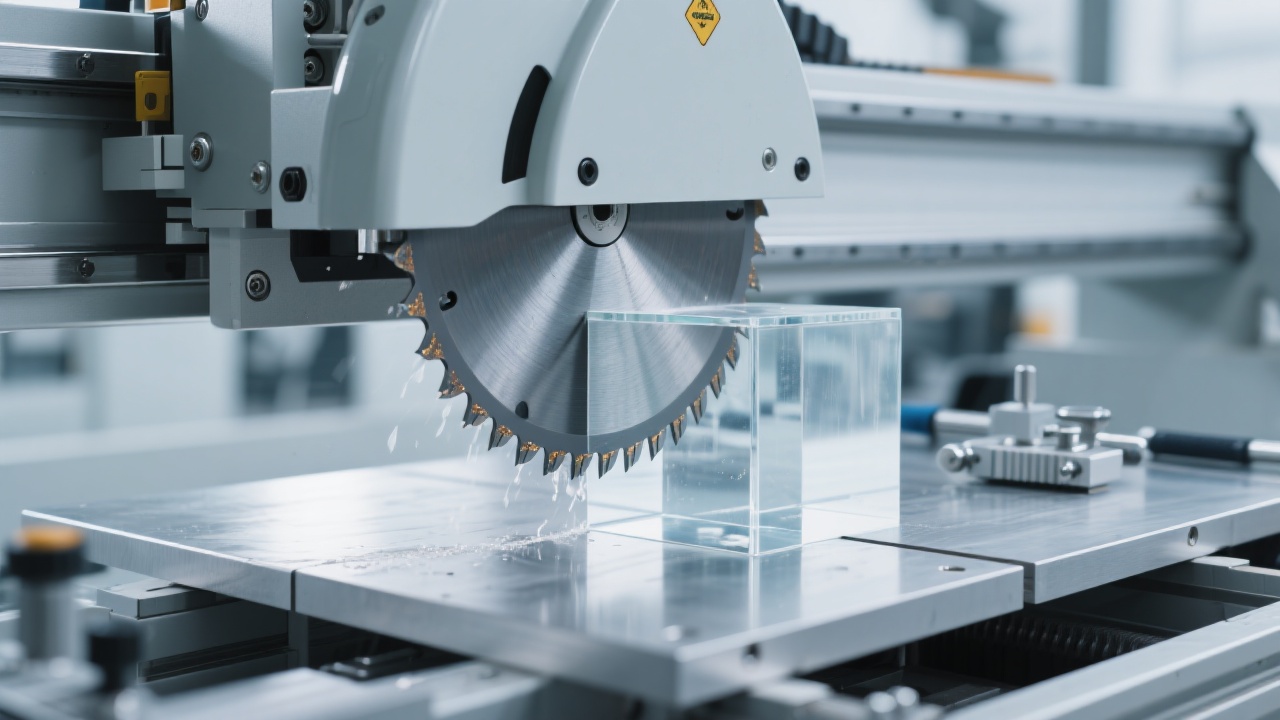
For gray cast iron machining (common in engine blocks), we recommend trapezoidal teeth for consistent, low-dust cuts. For harder alloys like stainless steel or titanium, wave-shaped teeth offer superior edge retention and quieter operation—key for noise-sensitive facilities.
And don’t forget the dust collector! A 500 CFM unit may suffice for small shops—but large-scale production lines need >1,500 CFM systems with automatic filter cleaning cycles. Pair your blade choice with an extraction system calibrated to airflow needs, and you’ll see both performance gains and reduced maintenance costs.
ISO 16000-2:2023 Reminder: Indoor air quality standards now require continuous monitoring of PM10 levels in metalworking zones. Use this data to validate your dust control strategy—and stay ahead of regulatory audits.
Still unsure if your factory faces similar challenges? Take a moment to assess your current setup: Are workers wearing N95 masks daily? Do you have regular air quality reports? If yes, it might be time to optimize your entire cutting ecosystem—not just one part.
Explore our range of high-performance brazed diamond saw blades engineered for minimal dust generation and maximum durability—perfect for foundry, automotive, and general metal fabrication environments.
Learn More About Our High-Durability Diamond Blades Diamond saw blade
Multi-material cutting
Ceramic cutting techniques
Marble saw blade parameters
Granite cutting solutions
Diamond saw blade selection misunderstandings
Diamond saw blade usage skills
UDS010 saw blade application guide
Cutting material matching
Efficient cutting solutions
400mm diamond saw blade
granite cutting blade
concrete cutting tools
diamond blade for stone
precision brazed diamond blade
multi-material stone cutting
brazed diamond saw blade
marble cutting parameters
ceramic saw blade selection
granite cutting techniques
diamond blade vibration control
tile cutting precision
anti-vibration blade design
hard material cutting optimization
cutting stability improvement
Diamond saw blade
Multi-material cutting
Ceramic cutting techniques
Marble saw blade parameters
Granite cutting solutions
Diamond saw blade selection misunderstandings
Diamond saw blade usage skills
UDS010 saw blade application guide
Cutting material matching
Efficient cutting solutions
400mm diamond saw blade
granite cutting blade
concrete cutting tools
diamond blade for stone
precision brazed diamond blade
multi-material stone cutting
brazed diamond saw blade
marble cutting parameters
ceramic saw blade selection
granite cutting techniques
diamond blade vibration control
tile cutting precision
anti-vibration blade design
hard material cutting optimization
cutting stability improvement






.png?x-oss-process=image/resize,h_100,m_lfit/format,webp)
.png?x-oss-process=image/resize,h_100,m_lfit/format,webp)
.png?x-oss-process=image/resize,h_100,m_lfit/format,webp)
.png?x-oss-process=image/resize,h_800,m_lfit/format,webp)