
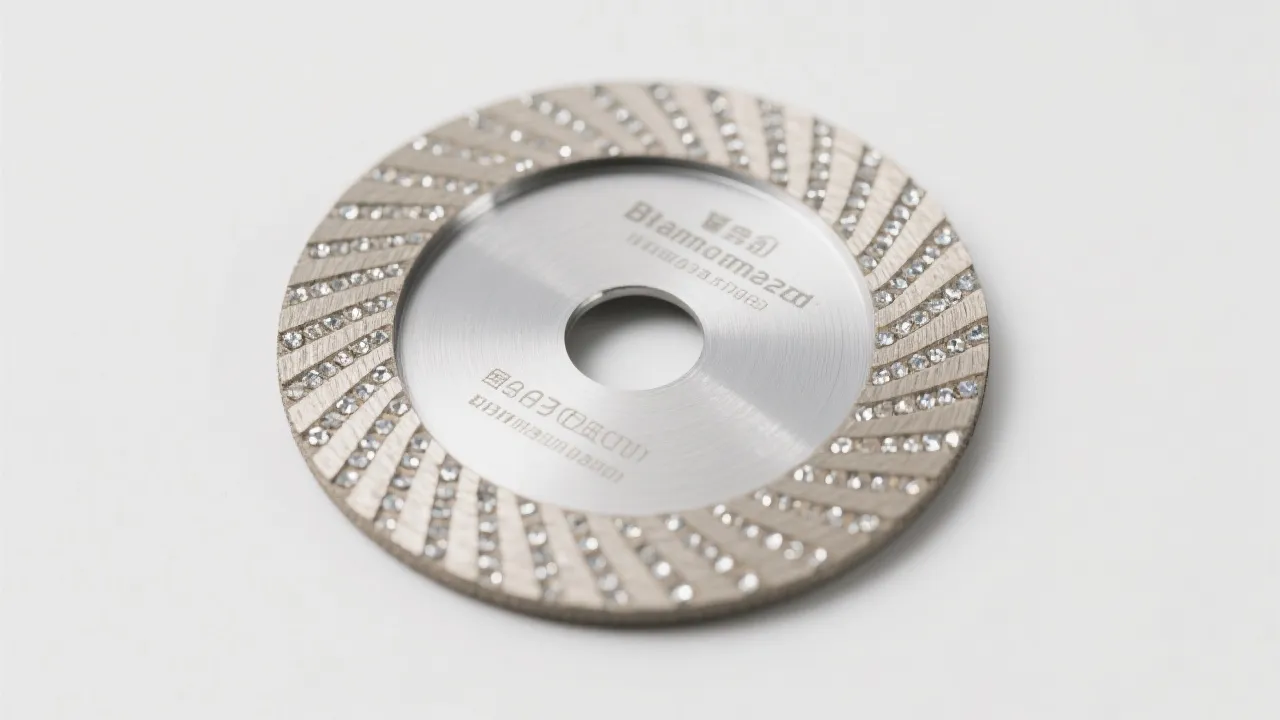
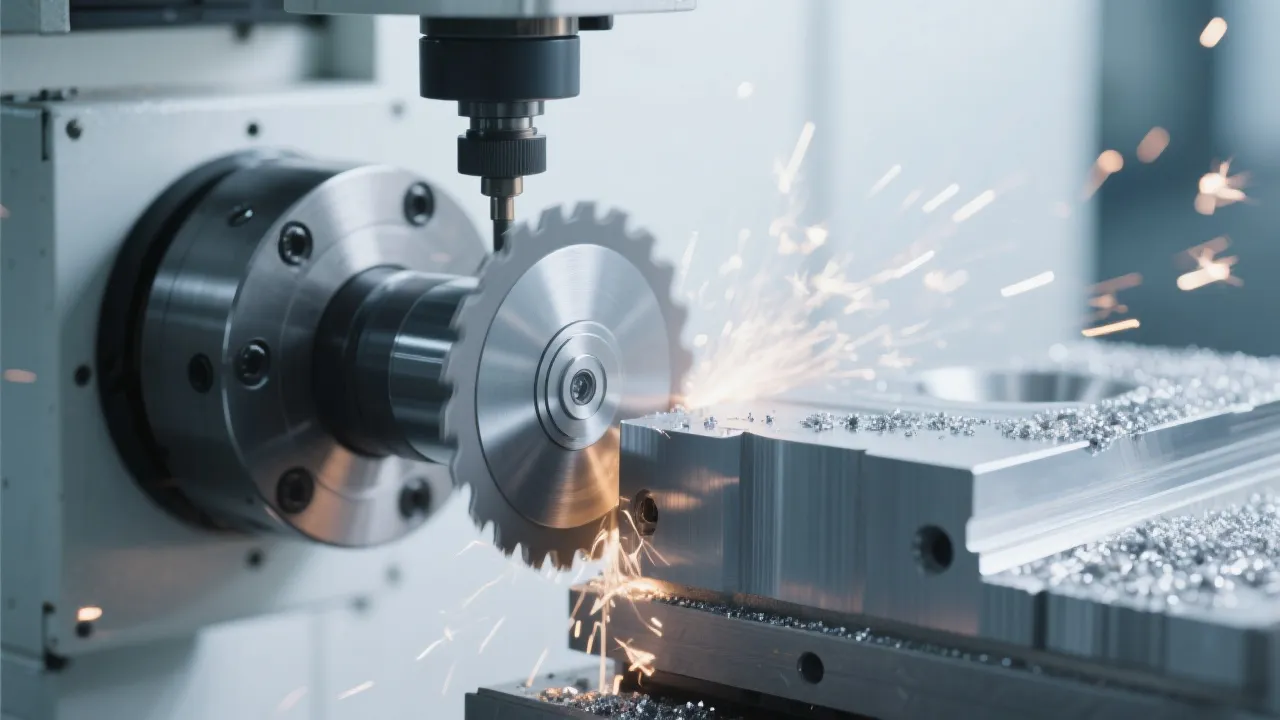
In metalworking industries, industrial cutting tools endure demanding conditions that often result in unexpected failures. The consequences include machining interruptions, compromised product quality, and costly downtime. This article provides a methodical approach for diagnosing tool failures, emphasizing abnormal vibrations, surface burn marks, and dimensional deviations. Supported by advanced in-field diagnostics such as microscopy, temperature sensing, and vibration spectrum analysis, this guide equips engineers with actionable insights to quickly identify root causes and implement targeted corrective strategies.
Tool failure manifests in various ways, with the most frequent indicators being:
These symptoms frequently arise from interconnected causes including tool material wear, improper tool setup, machine spindle dynamics, and ambient environmental conditions like humidity and temperature.
Deploying a standardized ‘Problem – Root Cause – Solution’ closed-loop diagnostic process enables onsite technicians to swiftly localize the failure source and restore operations efficiently.
This involves comprehensive analysis through:
To complement traditional observation, integrating precise instruments enhances fault detection and accuracy:
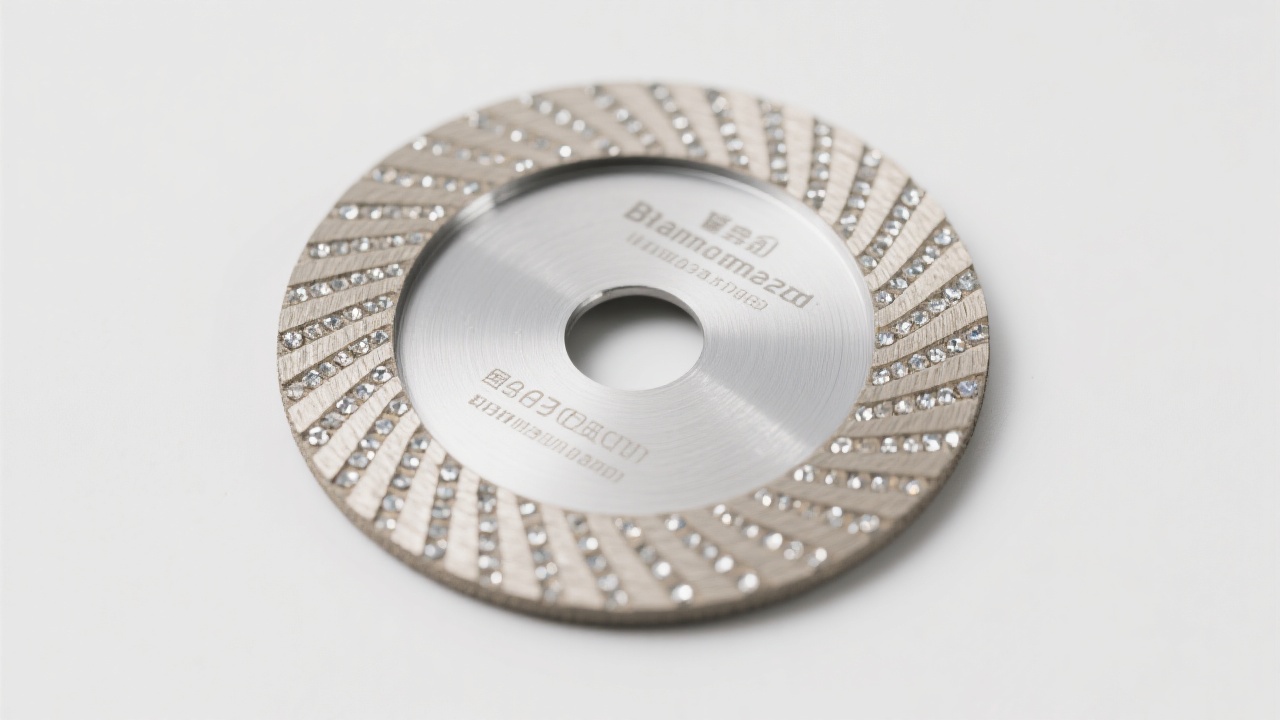
Consider a scenario where unexpected surface finishing defects and increased vibrations alerted a manufacturing team mid-shift. Applying the outlined diagnostic protocol:
The integrated diagnosis led to a prompt tool replacement, spindle bearing servicing, and coolant system recalibration. The entire process minimized the production downtime to under 2 hours, with subsequent parts meeting strict dimensional tolerances.
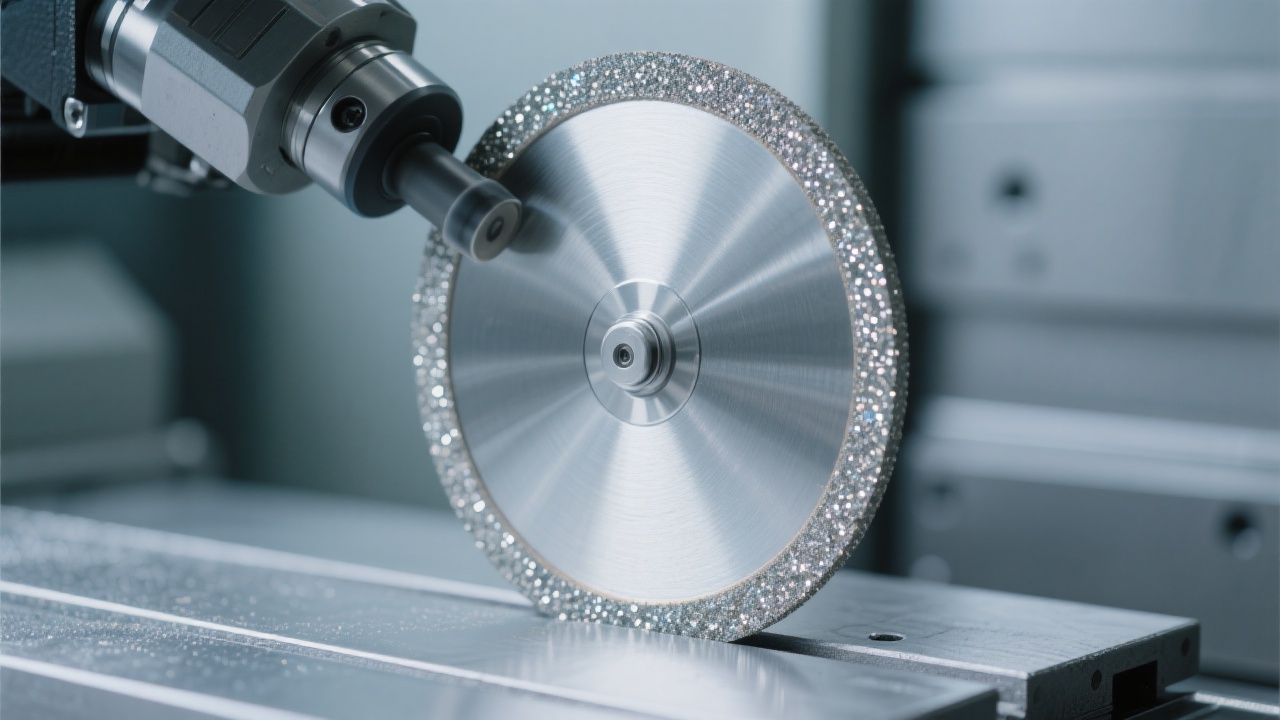
Beyond diagnostics, proactive adjustments play a crucial role in extending tool life and stabilizing production:
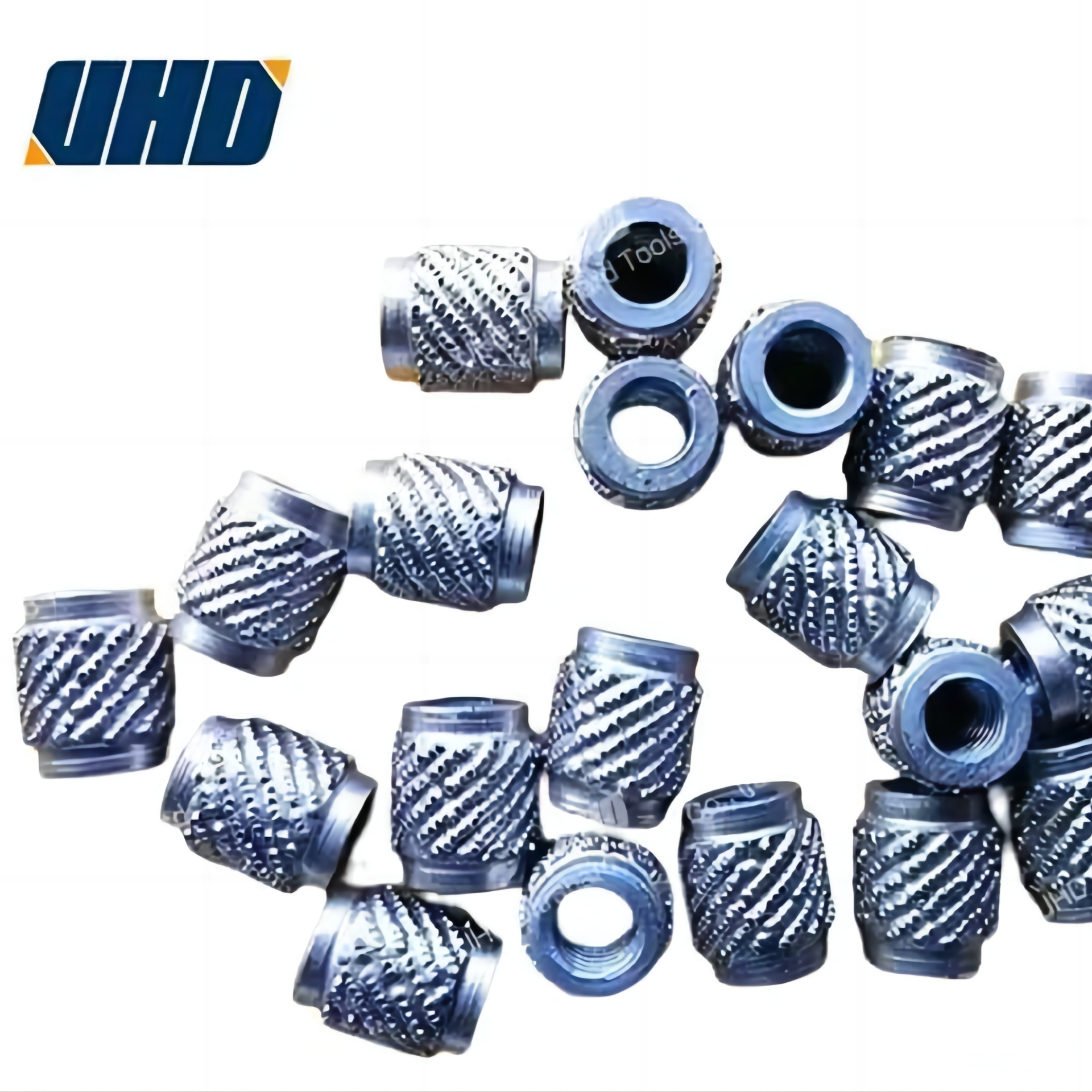
Industrial diamond tools, such as UHD (Ultra High Diamond) coated cutters, offer exceptional wear resistance and thermal stability. Their superior hardness and precision manufacturing result in minimized failure rates under rigorous conditions. Coupled with comprehensive after-sales technical support and tailored diagnostics, UHD tools empower manufacturers to enhance productivity and maintain machining excellence.
Share your experiences or questions below – our experts are ready to assist you in achieving seamless machining operations.

 Diamond saw blade maintenance tips
Difference between wet and dry cutting
Extension of saw blade service life
Maintenance of brazed diamond saw blades
Industrial cutting tool maintenance
Brazed diamond saw blade
Heat dissipation structure design
Saw blade service life
Industrial cutting tools
Stone processing cutting
Vibration-damping saw blade
Concrete cutting technology
Diamond saw blade performance optimization
Building demolition tools
Floor cutting solutions
diamond saw blade tooth profile
dust control in metal cutting
long-life cutting tools
industrial safety compliance
efficient machining solutions
Diamond saw common problems
Saw maintenance skills
Youde Superhard 400H
Cutting fault troubleshooting
Efficient and safe cutting
Diamond saw blade maintenance tips
Difference between wet and dry cutting
Extension of saw blade service life
Maintenance of brazed diamond saw blades
Industrial cutting tool maintenance
Brazed diamond saw blade
Heat dissipation structure design
Saw blade service life
Industrial cutting tools
Stone processing cutting
Vibration-damping saw blade
Concrete cutting technology
Diamond saw blade performance optimization
Building demolition tools
Floor cutting solutions
diamond saw blade tooth profile
dust control in metal cutting
long-life cutting tools
industrial safety compliance
efficient machining solutions
Diamond saw common problems
Saw maintenance skills
Youde Superhard 400H
Cutting fault troubleshooting
Efficient and safe cutting






.png?x-oss-process=image/resize,h_100,m_lfit/format,webp)
.png?x-oss-process=image/resize,h_100,m_lfit/format,webp)
.png?x-oss-process=image/resize,h_100,m_lfit/format,webp)


.png?x-oss-process=image/resize,h_800,m_lfit/format,webp)
.png?x-oss-process=image/resize,m_fill,h_800,w_800/format,webp)