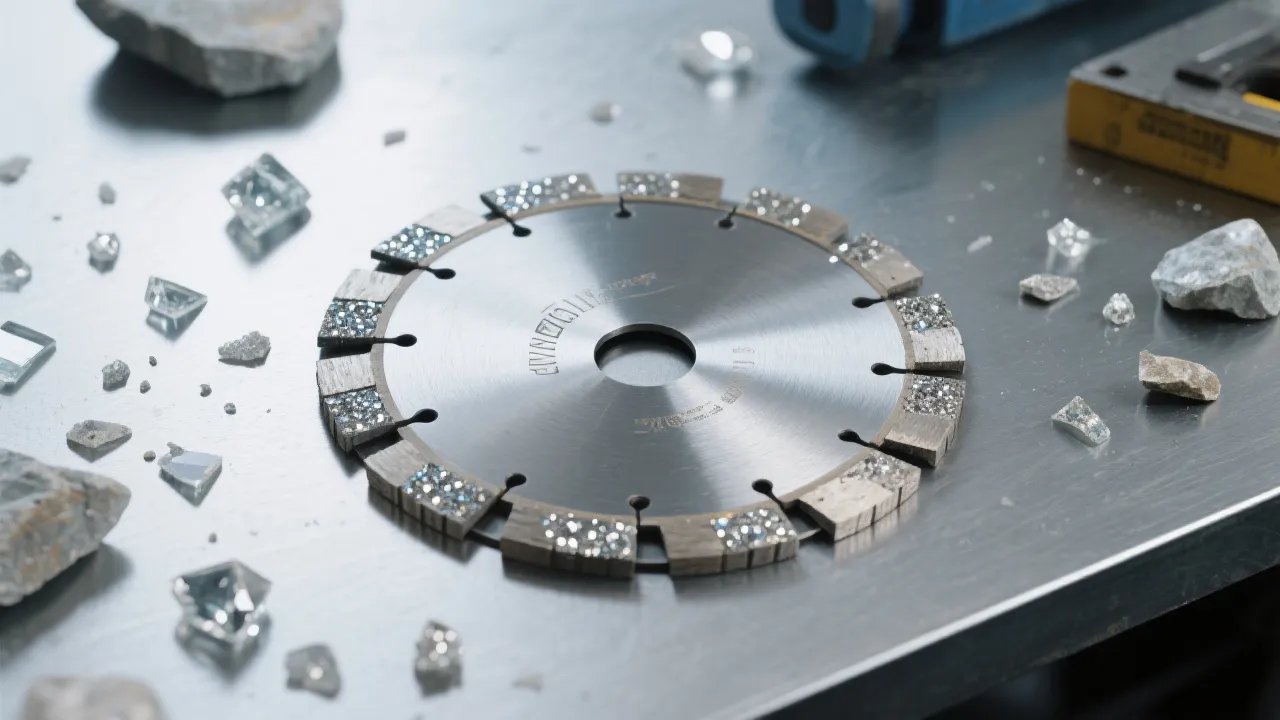
In industrial settings such as foundries and automotive parts manufacturing plants, the issue of dust generated during metal cutting operations poses a significant threat to both the working environment and the health of workers. High levels of dust can lead to poor air quality, increased risk of respiratory diseases, and potential damage to equipment. According to industry statistics, in some unregulated metal cutting workshops, the dust concentration can reach up to 100 mg/m³, far exceeding the safe limit.
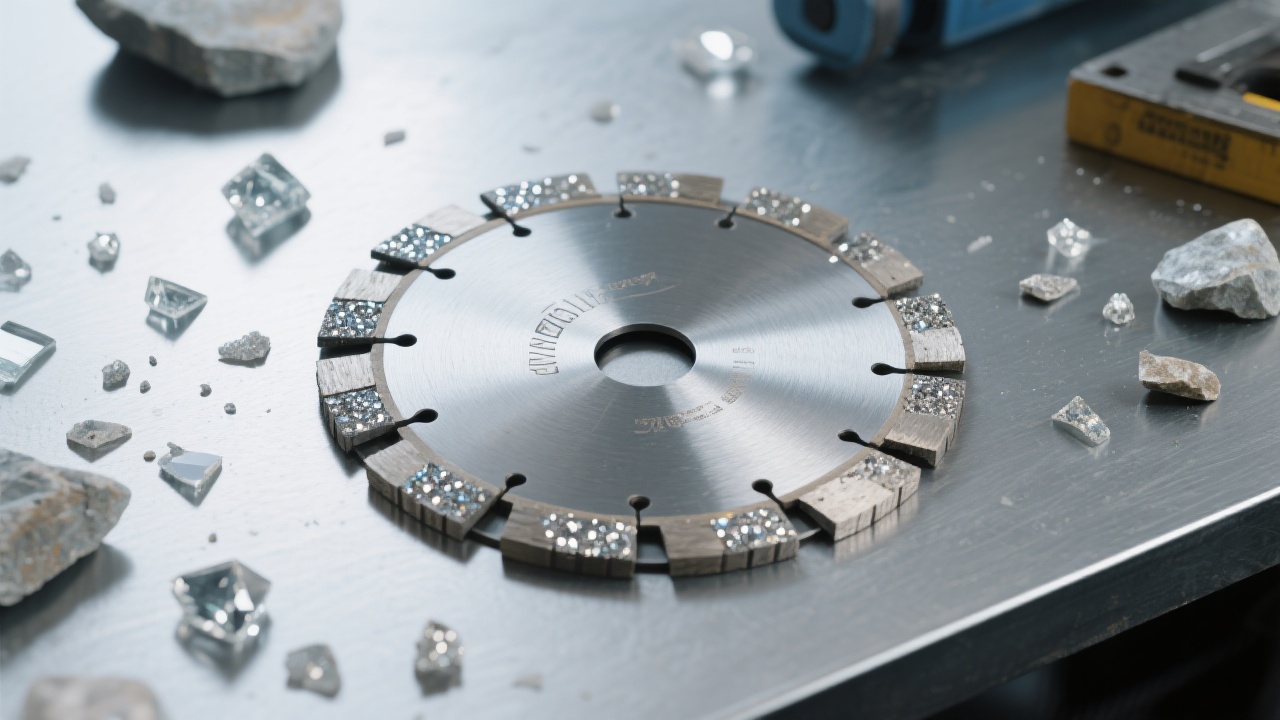
Trapezoidal and wave tooth diamond saw blades have unique structural designs that play a crucial role in reducing dust generation. The trapezoidal tooth design features a wider base and a narrower top, which effectively reduces the contact area between the saw blade and the workpiece during cutting. This results in less friction and heat generation, thereby minimizing the amount of dust and debris produced. On the other hand, the wave tooth design has a wavy edge that allows for a more continuous and smooth cutting process. The wave shape helps to break up the chips into smaller pieces, reducing the likelihood of large chunks of material being ejected as dust.
The engineering logic behind these tooth designs lies in their ability to optimize the cutting process. By reducing the contact area and improving the chip removal efficiency, the saw blades can cut through the material more cleanly and efficiently. This not only reduces dust generation but also improves the overall cutting quality and precision.
In a real - world application at a certain foundry, after replacing the traditional saw blades with trapezoidal and wave tooth diamond saw blades, the dust concentration in the workshop decreased by 60%. This significant reduction in dust not only improved the working environment but also reduced the maintenance cost of the equipment due to less dust accumulation.

Apart from dust reduction, different tooth types also have indirect effects on cutting efficiency, tool life, and equipment wear. Trapezoidal tooth saw blades generally offer higher cutting efficiency due to their optimized cutting geometry. They can cut through hard materials more quickly, reducing the overall cutting time. Wave tooth saw blades, on the other hand, are known for their longer tool life. The wave shape distributes the cutting force more evenly, reducing the wear on the teeth and extending the lifespan of the saw blade. Additionally, by reducing dust generation, both types of saw blades can also reduce the wear and tear on the cutting equipment, saving on maintenance and replacement costs.
According to ISO 17025 standards, the allowable dust emission limit in industrial workplaces is 10 mg/m³. Ensuring compliance with these standards is essential for the health and safety of workers and the long - term sustainability of the business.
To achieve optimal dust control, it is necessary to select the appropriate saw blade type and match it with a suitable dust collection system. For example, in workshops with high - volume cutting operations, trapezoidal tooth saw blades combined with a high - efficiency dust collector can effectively reduce dust levels. In cases where cutting softer materials or where longer tool life is required, wave tooth saw blades can be a better choice. By carefully considering the specific cutting requirements and the ISO dust emission standards, factories can develop a comprehensive solution for dust control.
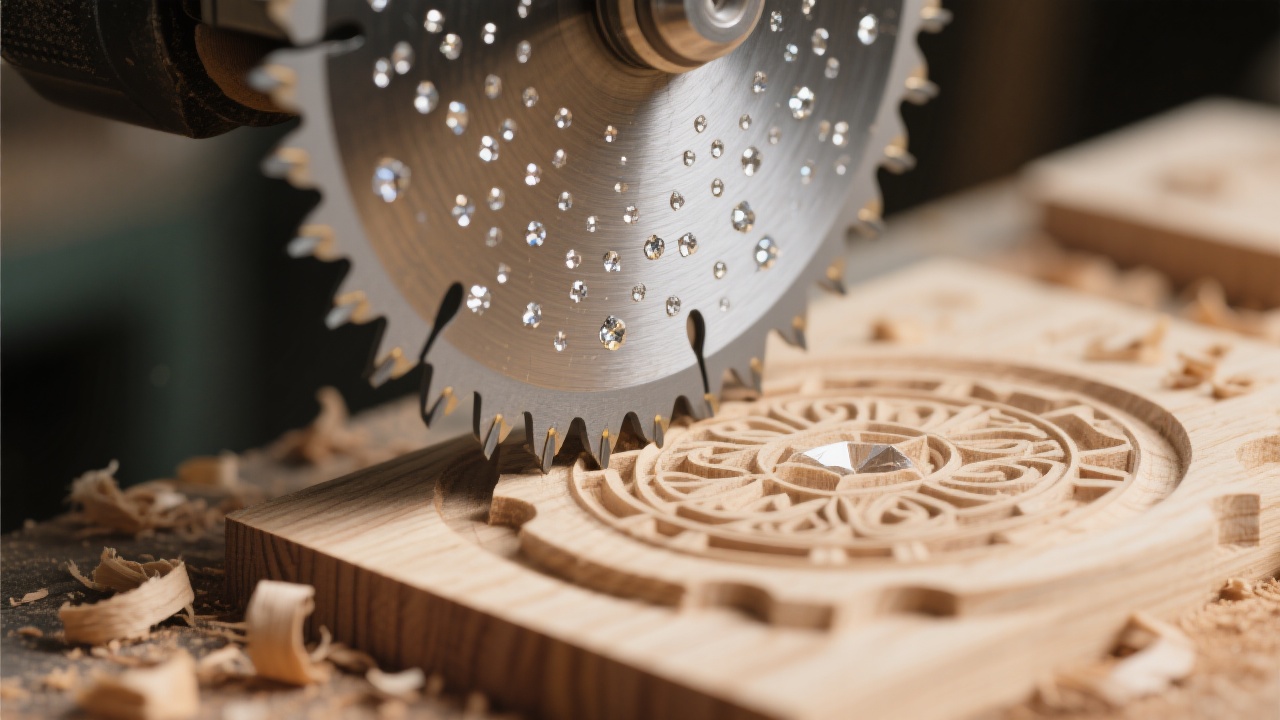
Looking ahead, the future of industrial dust control lies in intelligent sensing and active dust control technology. These technologies can automatically adjust the cutting parameters based on the real - time dust concentration, ensuring that the dust levels are always within the safe limit. Additionally, with the development of artificial intelligence and the Internet of Things, it is possible to achieve more precise and efficient dust control in industrial settings.
Do your factories face similar dust problems? If you want to learn more about the selection of different tooth - shaped saw blades and how to effectively control dust in your workplace, click here to access our tooth - shape selection guide.


 hard stone cutting technology
diamond saw blade selection
high hardness stone processing
heat dissipation structure
brazed diamond saw blade
tile cutting techniques
granite saw blade usage
stone cutting parameter optimization
diamond blade applications
industrial stone cutting technology
diamond blade selection
cutting thickness optimization
superhard diamond saw blades
stone cutting tools
construction cutting tools
soldered diamond blade selection
hard material cutting solutions
diamond blade durability improvement
wet and dry cutting optimization
blade cooling design enhancement
Brazed diamond saw blade
Granite precision cutting
Saw blade vibration reduction technology
Feed rate control
Fixture fixing skills
hard stone cutting technology
diamond saw blade selection
high hardness stone processing
heat dissipation structure
brazed diamond saw blade
tile cutting techniques
granite saw blade usage
stone cutting parameter optimization
diamond blade applications
industrial stone cutting technology
diamond blade selection
cutting thickness optimization
superhard diamond saw blades
stone cutting tools
construction cutting tools
soldered diamond blade selection
hard material cutting solutions
diamond blade durability improvement
wet and dry cutting optimization
blade cooling design enhancement
Brazed diamond saw blade
Granite precision cutting
Saw blade vibration reduction technology
Feed rate control
Fixture fixing skills






.png?x-oss-process=image/resize,h_100,m_lfit/format,webp)
.png?x-oss-process=image/resize,h_100,m_lfit/format,webp)
.png?x-oss-process=image/resize,h_100,m_lfit/format,webp)