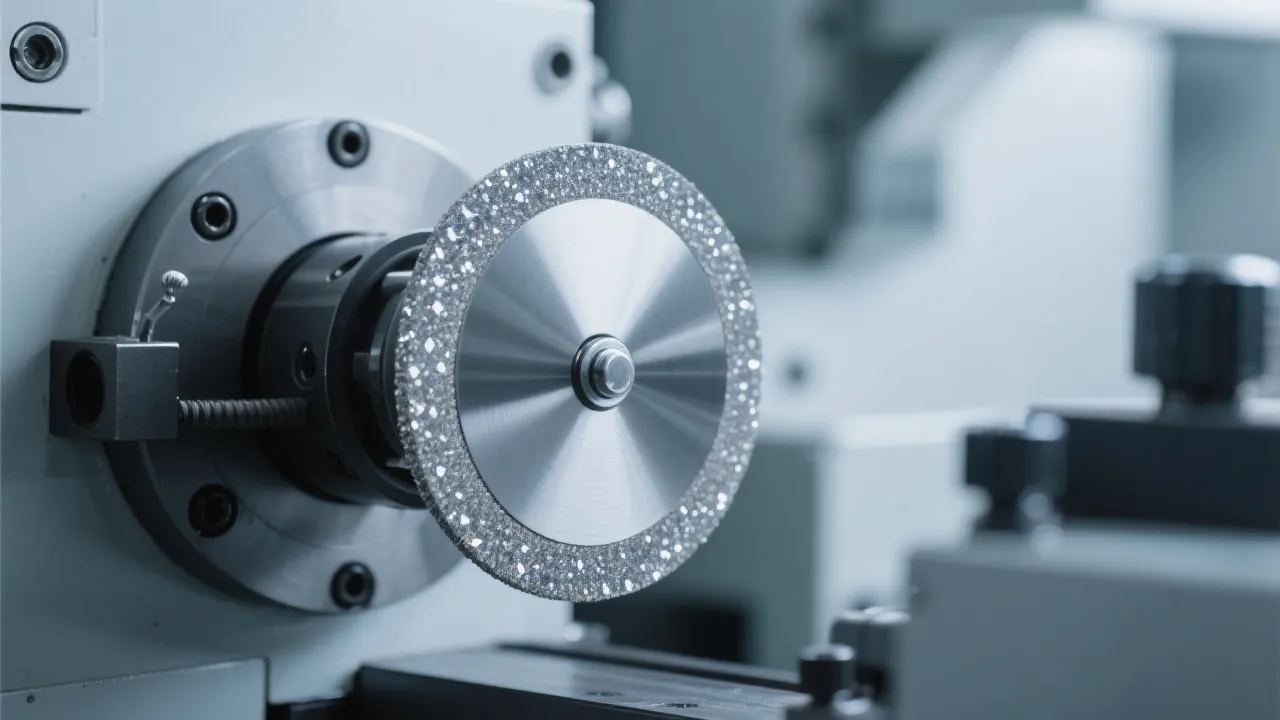
When it comes to the precision cutting of high - hardness stones such as marble and granite, the scientific selection of diamond saw blades has become a key factor that affects cutting efficiency and the quality of finished products. This article delves into the impact of Mohs hardness and crystal particle characteristics on saw blade performance.
First, let's understand the relationship between the physical properties of hard stones and saw blade adaptation. The Mohs hardness scale is a crucial reference. For example, marble typically has a Mohs hardness of 3 - 4, while granite has a hardness of 6 - 7. Different hardness levels require different diamond saw blade configurations. "The higher the Mohs hardness of the stone, the higher the diamond concentration and the harder the matrix of the saw blade should be," says an industry expert.
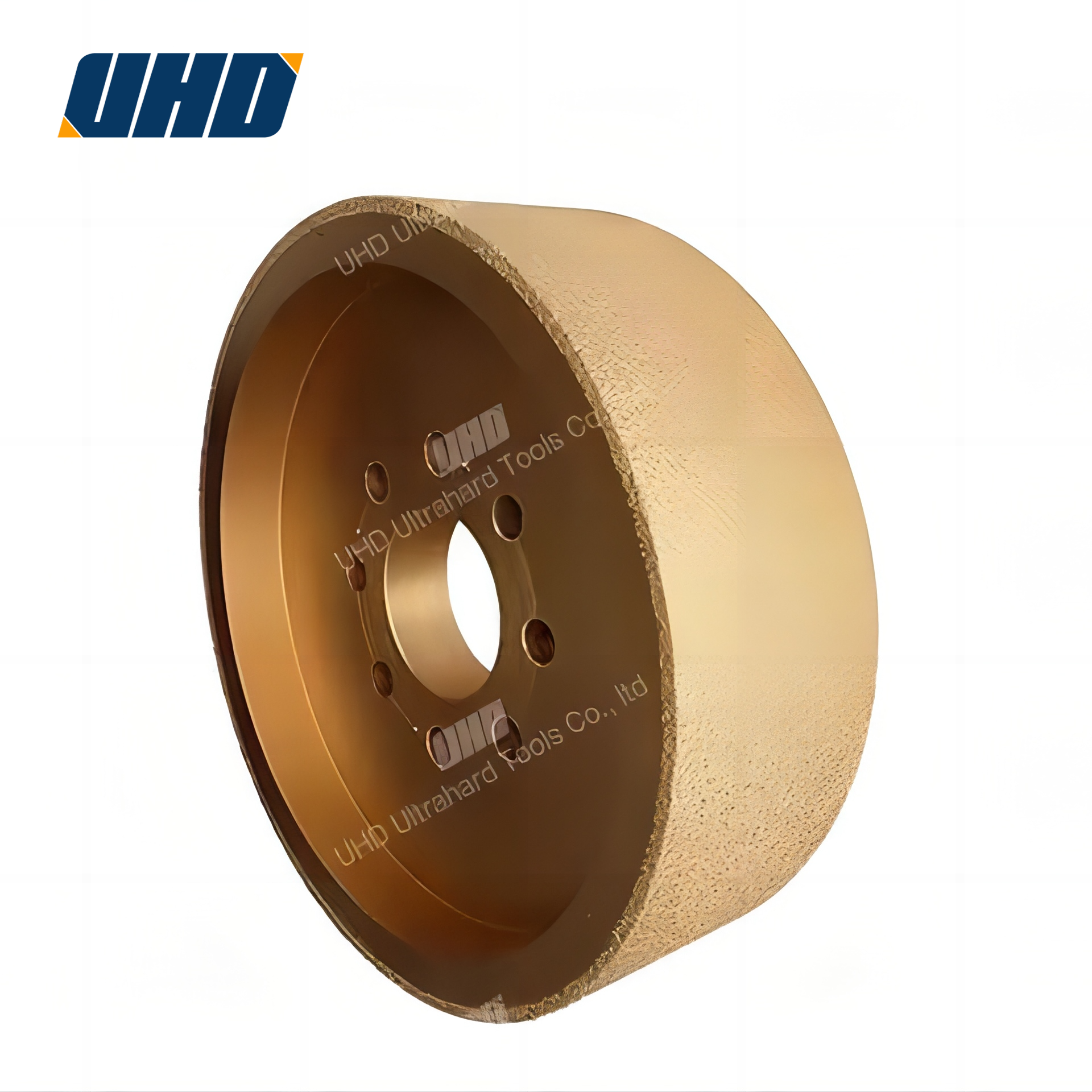
Different stone materials have specific requirements for diamond concentration, matrix hardness, and tooth shape design. For softer stones like marble, a relatively lower diamond concentration can be used, usually around 20% - 30%. The matrix can also be relatively softer to ensure a smooth cutting process and reduce the risk of chipping. In contrast, for granite, a diamond concentration of 35% - 45% is recommended, along with a harder matrix to withstand the high wear during cutting.
The tooth shape design also plays an important role. For fine - grained stones, a continuous - rim tooth design is often preferred as it can provide a smooth and precise cut. For coarse - grained stones, a segmented - rim tooth design can improve cutting efficiency by providing better chip removal.
Let's look at some real - world industrial scenarios. In the tile processing industry, the problem of tile chipping is a common headache. A tile with a Mohs hardness of about 5 - 6 requires a saw blade with a proper diamond concentration and tooth shape. By using a saw blade with a medium - high diamond concentration (around 30% - 35%) and a segmented - rim tooth design, the chipping rate can be reduced from about 15% to less than 5%.
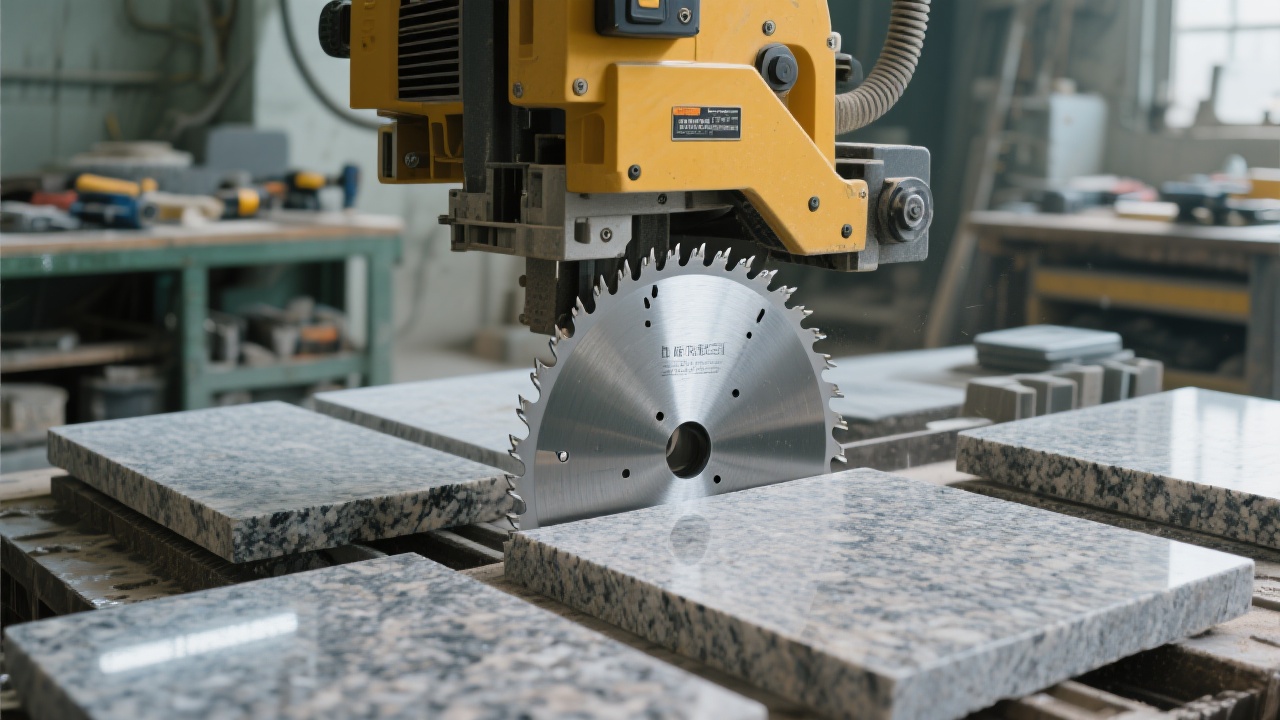
On the other hand, when cutting granite, the risk of sintering is a major concern. A saw blade with an appropriate matrix hardness and a well - designed heat - dissipation structure is essential. For example, by using a saw blade with a hard matrix and an enhanced heat - dissipation structure, the sintering risk can be reduced by up to 80%.
In heavy - duty cutting operations, shock - absorption and heat - dissipation structures are crucial. A well - designed shock - absorption structure can reduce vibration during cutting, which not only improves the cutting accuracy but also extends the service life of the saw blade. For example, a saw blade with a good shock - absorption design can increase the service life by about 20% - 30%.
Heat dissipation is another important factor. High - temperature generated during cutting can damage the diamond particles and the matrix. A saw blade with an enhanced heat - dissipation structure can effectively reduce the cutting temperature, ensuring stable performance during long - time cutting operations.
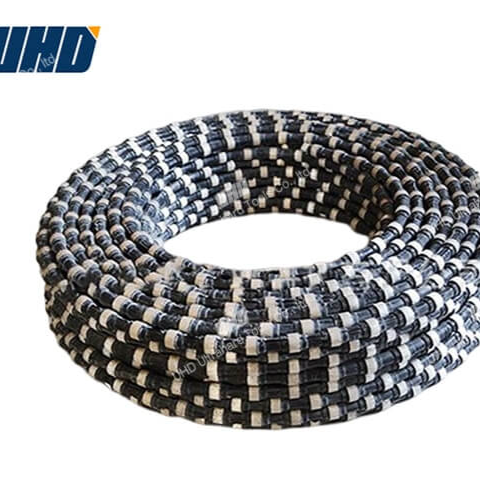
The UHD Super Hard 400H Brazed Diamond Saw Blade is a product that perfectly combines the above theories. It has a high - density diamond configuration, which is especially suitable for high - hardness stones. Its advanced heat - dissipation and shock - absorption structures ensure efficient, stable, and precise cutting.
If you are looking for a reliable solution for hard stone cutting, don't miss the UHD Super Hard 400H Brazed Diamond Saw Blade. Click here to learn more about this amazing saw blade and take your hard stone cutting to the next level!


 dry cutting saw blade wear
diamond particle distribution
vacuum brazing technology
stone cutting tools
brazed diamond blade
Diamond saw blade selection misunderstandings
Diamond saw blade usage skills
UDS010 saw blade application guide
Cutting material matching
Efficient cutting solutions
400mm diamond blade cutting techniques
brazed diamond blade maintenance
stone cutting efficiency optimization
dry wet cutting blade application
diamond blade lifespan extension
brazed diamond saw blades
ISO 9001 certification
industrial cutting efficiency
heat dissipation structure design
superhard tools
ceramic tile cutting techniques
granite saw blade maintenance
stone processing parameter optimization
diamond saw blade wear analysis
industrial stone cutting technology
dry cutting saw blade wear
diamond particle distribution
vacuum brazing technology
stone cutting tools
brazed diamond blade
Diamond saw blade selection misunderstandings
Diamond saw blade usage skills
UDS010 saw blade application guide
Cutting material matching
Efficient cutting solutions
400mm diamond blade cutting techniques
brazed diamond blade maintenance
stone cutting efficiency optimization
dry wet cutting blade application
diamond blade lifespan extension
brazed diamond saw blades
ISO 9001 certification
industrial cutting efficiency
heat dissipation structure design
superhard tools
ceramic tile cutting techniques
granite saw blade maintenance
stone processing parameter optimization
diamond saw blade wear analysis
industrial stone cutting technology





.png?x-oss-process=image/resize,h_100,m_lfit/format,webp)
.png?x-oss-process=image/resize,h_100,m_lfit/format,webp)
.png?x-oss-process=image/resize,h_100,m_lfit/format,webp)