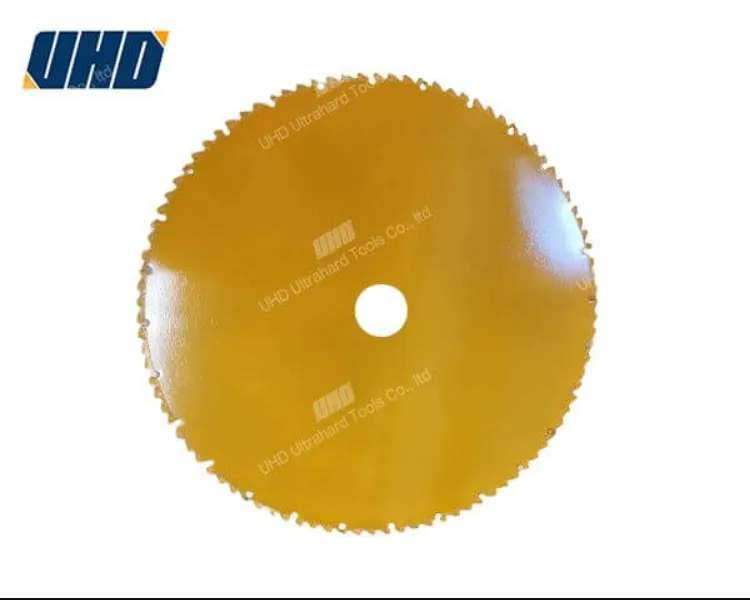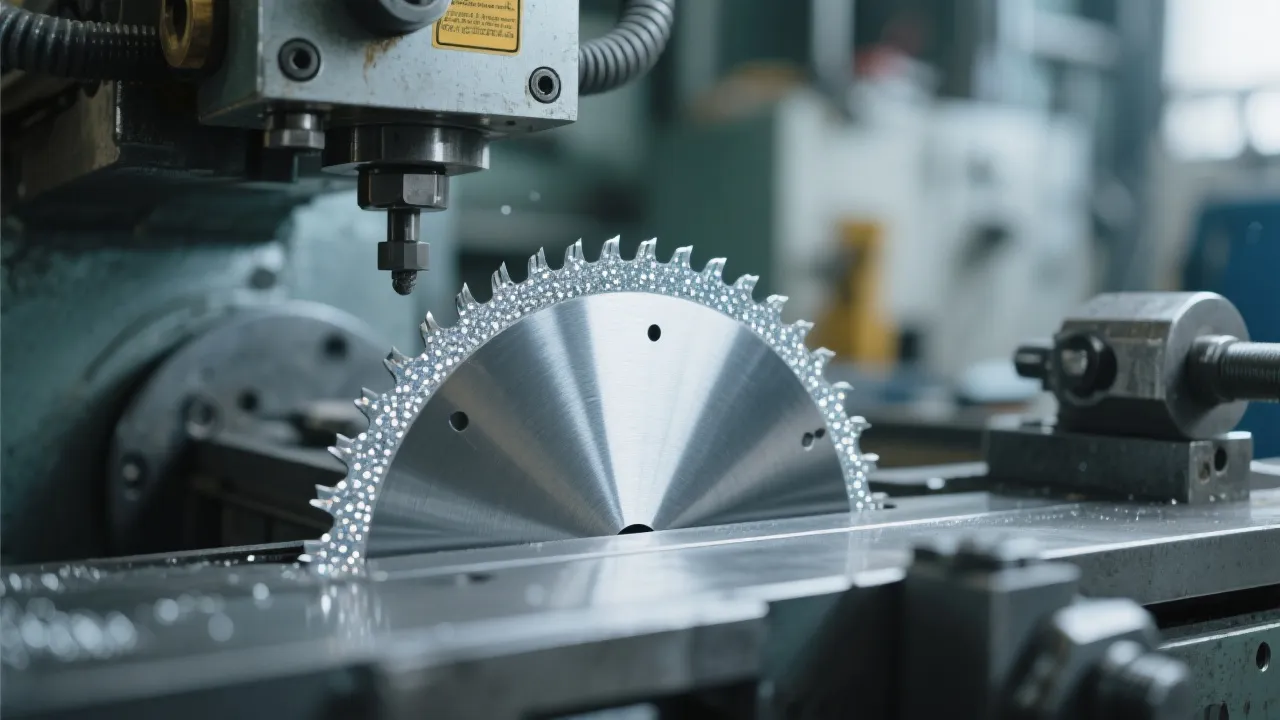
When it comes to precision cutting on construction sites or stone processing factories, choosing the right blade can be the difference between a seamless job and costly downtime. You might be wondering why the same diamond blade can't serve both your handheld chainsaw and table saw. The truth lies in the nuanced engineering behind the blades and the machines they complement. In this deep dive, you'll learn how power delivery, clamping precision, and vibration control affect the blade's construction — and ultimately, your cutting efficiency and safety.
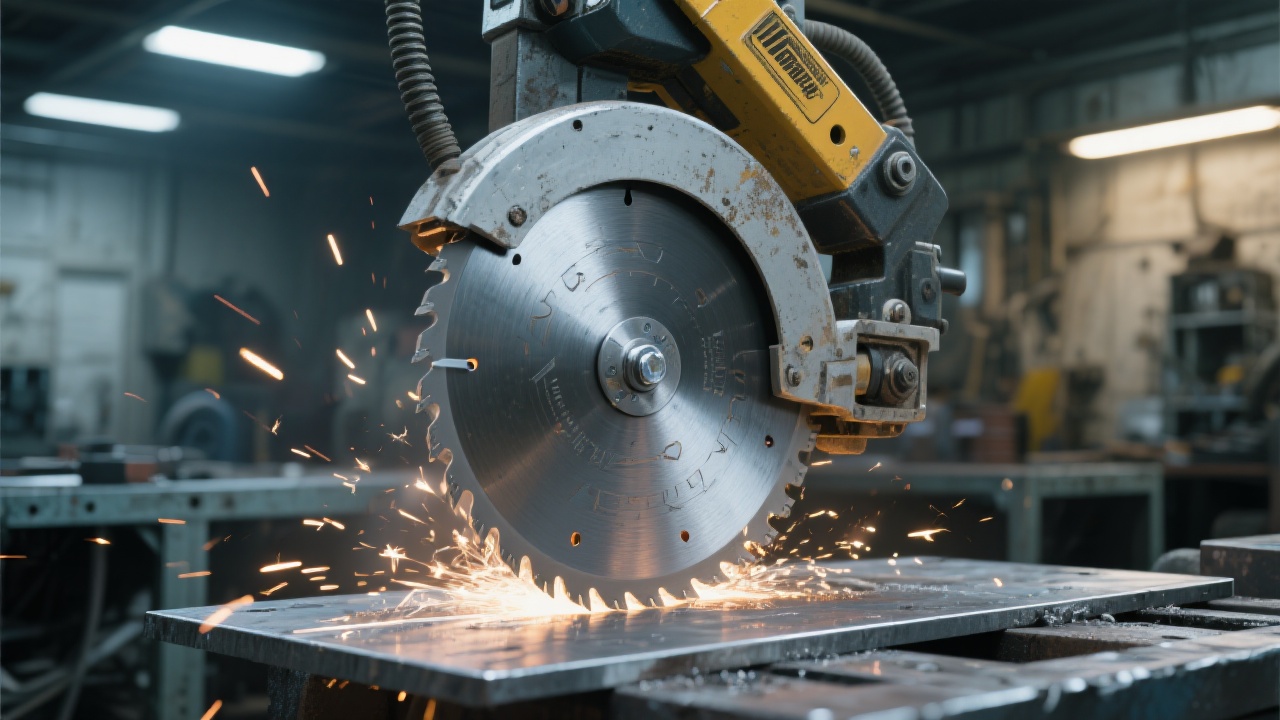
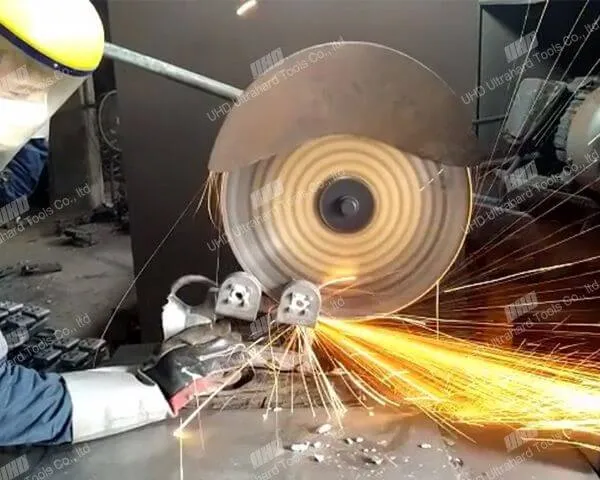
Handheld chainsaws and table saws operate under markedly different mechanical conditions. Handheld devices often experience more vibration and less stable clamping, alongside variable operator handling. To counter this, blades designed for handheld saws — like the UHD 400H welded diamond blade — incorporate greater base rigidity through reinforced steel cores and dynamic vibration damping structures. On the other hand, table saws provide consistent power output and highly precise clamping, allowing their blades to focus on enhanced cutting speed and clean finish through optimized tooth geometry and heat dissipation features.

Using the wrong blade is not simply a technical faux pas; it impacts your operational metrics drastically. Expect up to a 30% reduction in cutting speed and nearly a 40% drop in blade lifespan as heat buildup or vibration induces micro-cracks in the diamond segments.
Furthermore, poor compatibility increases your safety risk, making kickbacks and blade failure more likely. Your onsite safety protocols depend on the reliability of both tool and accessory.

Myth #1: Your saw blade’s diamond grit size solely determines cutting performance.
Reality: Metallurgical bonding quality, segment design, and base plate engineering often play a more vital role.
Myth #2: One blade fits all applications and environmental conditions.
Reality: Wet cutting, dry cutting, materials being cut, and machine type all dictate blade choice.
Cultivating awareness of these subtleties will empower you to select the UHD 400H blade tailored to your specific job site needs.
Take a moment to reflect: Does your handheld chainsaw benefit from enhanced vibration control and rigidity? Or does your stable table saw demand optimized tooth layout and heat dissipation? Knowing your equipment inside out is crucial to unlocking maximum cutting efficiency.


 Stone cutting technology
Diamond saw blade application
Curtain wall stone processing
Saw blade parameter optimization
Cutting anomaly diagnosis
Diamond saw blade selection misunderstandings
Diamond saw blade usage skills
UDS010 saw blade application guide
Cutting material matching
Efficient cutting solutions
granite cutting
saw blade selection
cutting precision improvement
edge chipping prevention
hard material cutting techniques
400mm brazed diamond saw blade
diamond saw blade cutting efficiency
stone processing tool recommendation
construction industry cutting solution
wet and dry cutting saw blade
brazed diamond saw blades
hard material cutting tools
diamond blade applications
construction site cutting solutions
vacuum brazing technology
Stone cutting technology
Diamond saw blade application
Curtain wall stone processing
Saw blade parameter optimization
Cutting anomaly diagnosis
Diamond saw blade selection misunderstandings
Diamond saw blade usage skills
UDS010 saw blade application guide
Cutting material matching
Efficient cutting solutions
granite cutting
saw blade selection
cutting precision improvement
edge chipping prevention
hard material cutting techniques
400mm brazed diamond saw blade
diamond saw blade cutting efficiency
stone processing tool recommendation
construction industry cutting solution
wet and dry cutting saw blade
brazed diamond saw blades
hard material cutting tools
diamond blade applications
construction site cutting solutions
vacuum brazing technology







.png?x-oss-process=image/resize,h_100,m_lfit/format,webp)
.png?x-oss-process=image/resize,h_100,m_lfit/format,webp)
.png?x-oss-process=image/resize,h_100,m_lfit/format,webp)