
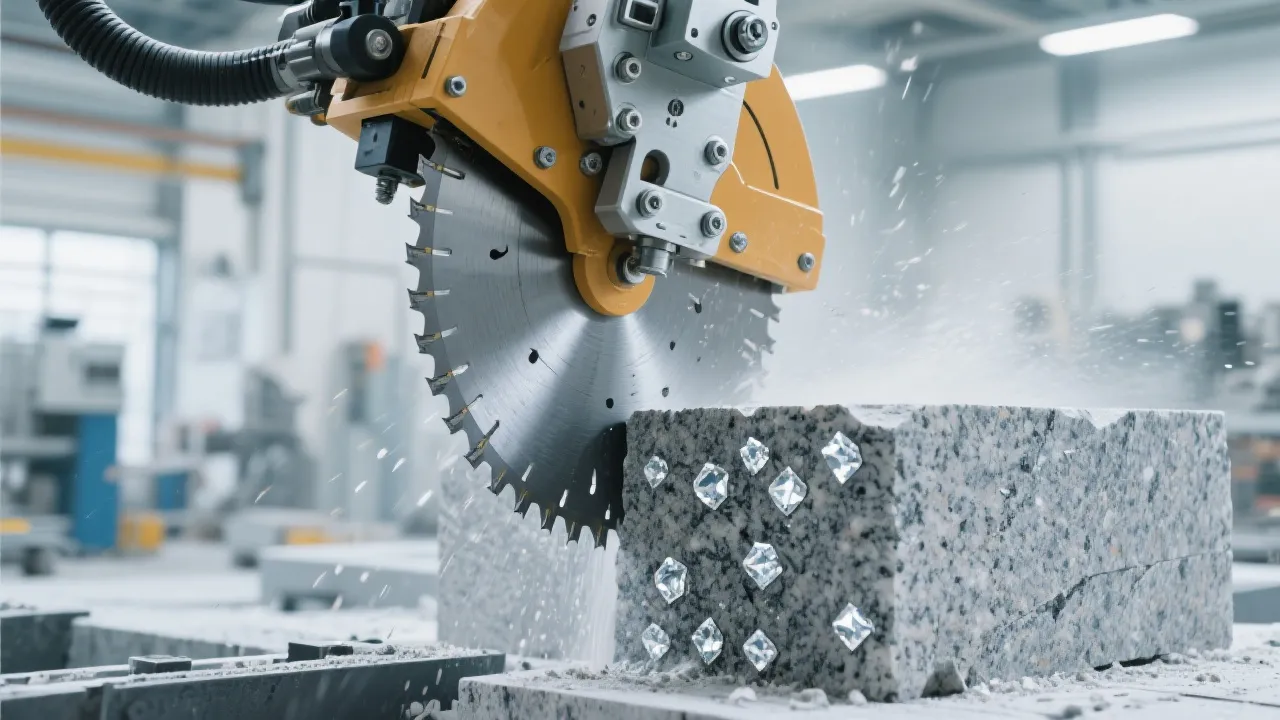
Are you struggling with low precision when cutting granite? In the world of granite cutting, issues like blade vibration and offset can lead to a host of problems, such as chipped edges and inaccurate dimensions. But don't worry, we've got you covered with five practical techniques to help you overcome these challenges and improve your cutting precision.
When cutting granite, you may often encounter problems caused by vibration or offset. These issues can result in chipped edges, inaccurate dimensions, and reduced overall quality of the cut. For example, if the blade vibrates too much during cutting, it can cause the edges of the granite to chip, making the final product less than perfect. Similarly, if the blade offsets during the cutting process, the dimensions of the cut may not meet the required specifications.
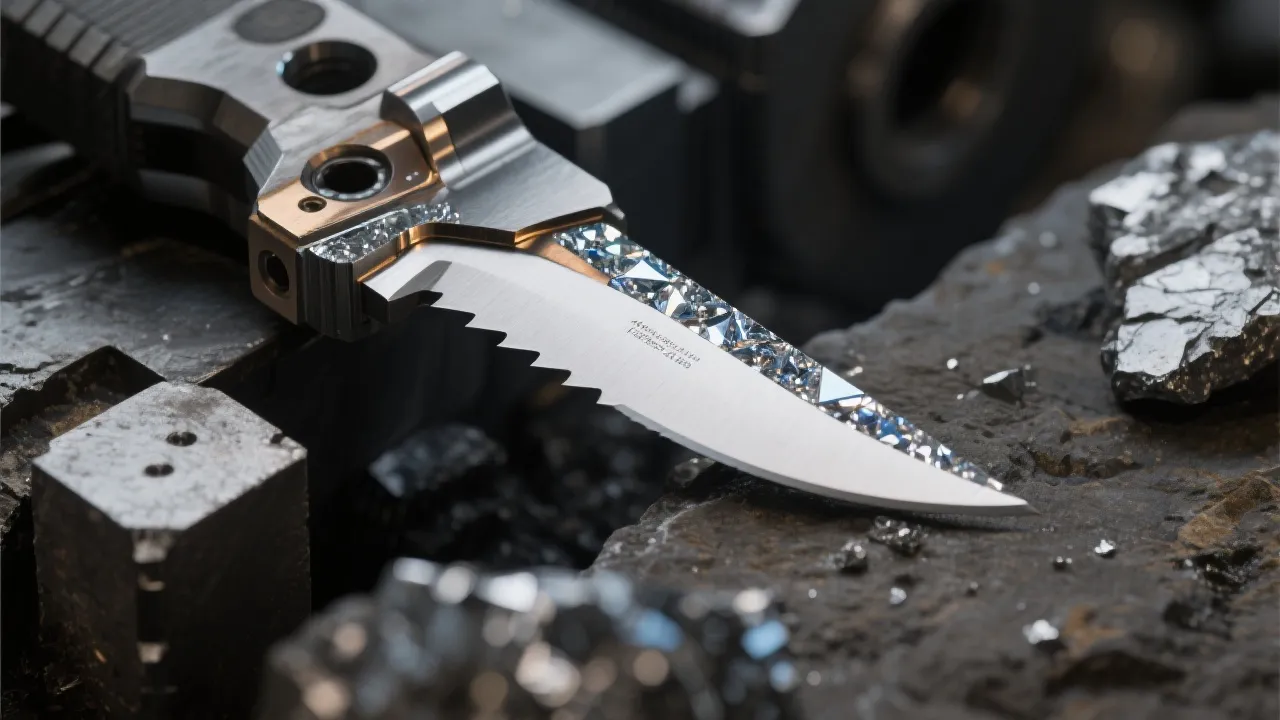
The right saw blade is crucial for achieving high - precision cutting. When selecting a saw blade, you should look for one with high wear resistance and an anti - vibration structure. The UHD Super Hard 400H brazed diamond saw blade is a great choice. Its enhanced brazing technology ensures a strong bond between the diamond and the blade body, providing excellent wear resistance. The optimized structure design of the blade also helps to reduce vibration during cutting. For instance, the blade's unique shape and material distribution can effectively dampen vibrations, allowing for a smoother and more precise cut.
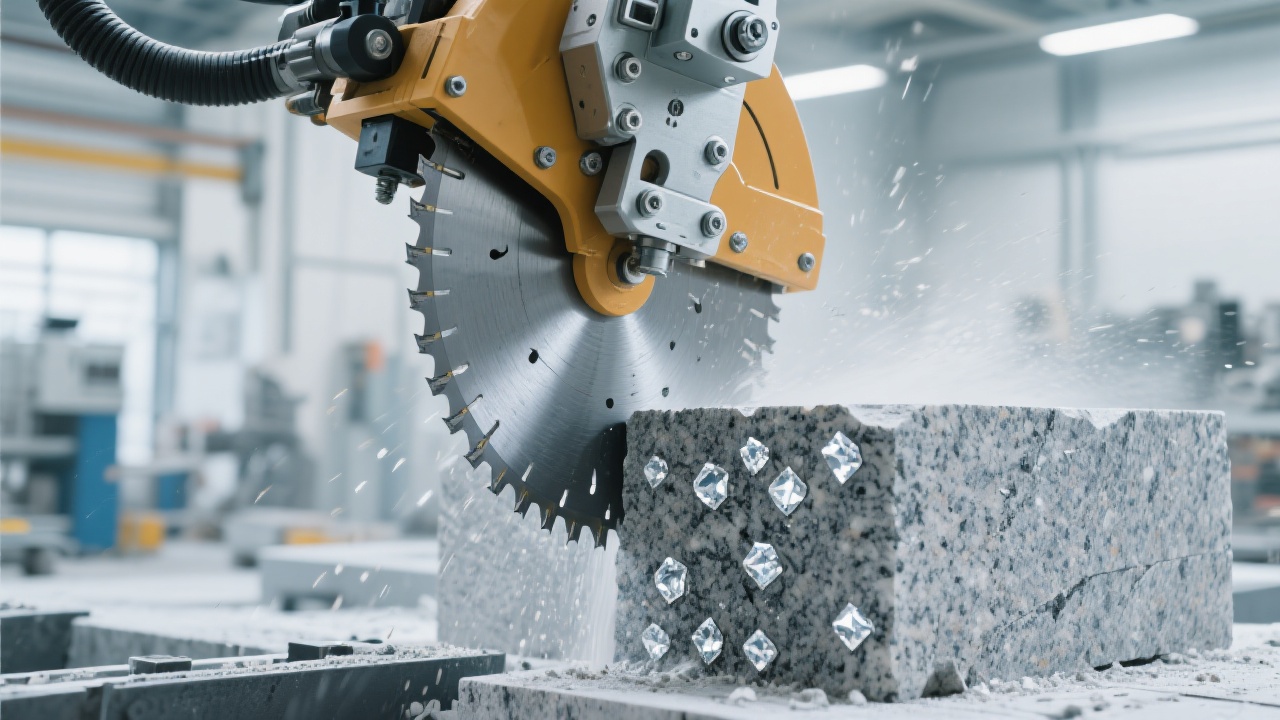
Controlling the feed speed is essential for preventing resonance and heat stress accumulation. If the feed speed is too fast, it can cause the blade to vibrate and generate excessive heat, which can damage the blade and reduce the cutting precision. As a general rule, for granite cutting, a feed speed in the range of 10 - 20 inches per minute is recommended. However, this can vary depending on the hardness of the granite and the type of saw blade you are using. You may need to adjust the feed speed based on your specific cutting conditions.
A stable fixture is key to preventing blade offset. If the granite is not properly fixed during cutting, it can move, causing the blade to deviate from the intended cutting path. To ensure stability, it is recommended to use professional clamping tools. These tools can firmly hold the granite in place, minimizing the risk of movement and offset. For example, a vice - like clamping device can be used to secure the granite from both sides, providing a stable cutting environment.
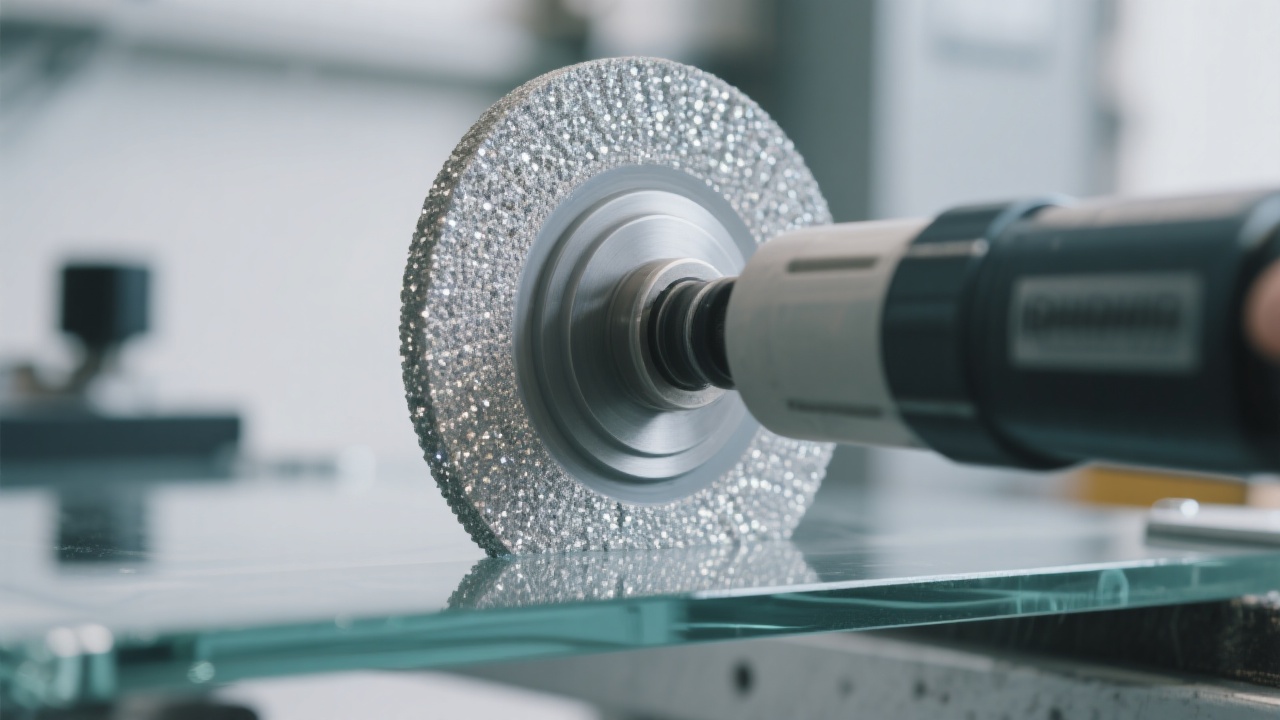
Cooling is an important aspect of granite cutting. There are two main cooling methods: wet cutting and dry cutting. In wet cutting, water is used to cool the blade and remove debris, which helps to reduce heat and prevent the blade from overheating. Dry cutting, on the other hand, is more suitable for some specific situations where water is not available or not preferred. The UHD Super Hard 400H saw blade has an efficient heat - dissipation design, which can effectively dissipate heat generated during cutting, regardless of whether you are using wet or dry cutting methods. For example, the blade is equipped with heat - dissipation fins that increase the surface area for heat transfer, allowing the blade to stay cool and maintain its cutting performance.
Regular maintenance of the saw blade is necessary to ensure its long - term performance. You should regularly clean the blade's cutting edge to remove any debris or residue that may accumulate during cutting. Additionally, you need to check the blade for wear. If the blade is worn beyond a certain limit, it should be replaced in a timely manner. Ignoring blade wear can lead to reduced cutting precision and even damage to the saw and the granite. For example, if the diamond segments on the blade are worn down, the blade may not be able to cut through the granite smoothly, resulting in a rough cut and inaccurate dimensions.
In the process of granite cutting, there are some common mistakes that you should avoid. These include blindly increasing the feed speed, neglecting cooling, and ignoring the blade replacement cycle. Blindly increasing the feed speed can lead to increased vibration and heat, which can damage the blade and reduce the cutting quality. Neglecting cooling can cause the blade to overheat and wear out quickly. Ignoring the blade replacement cycle can result in poor cutting performance and inaccurate dimensions. By being aware of these common mistakes, you can take steps to avoid them and improve your cutting precision.
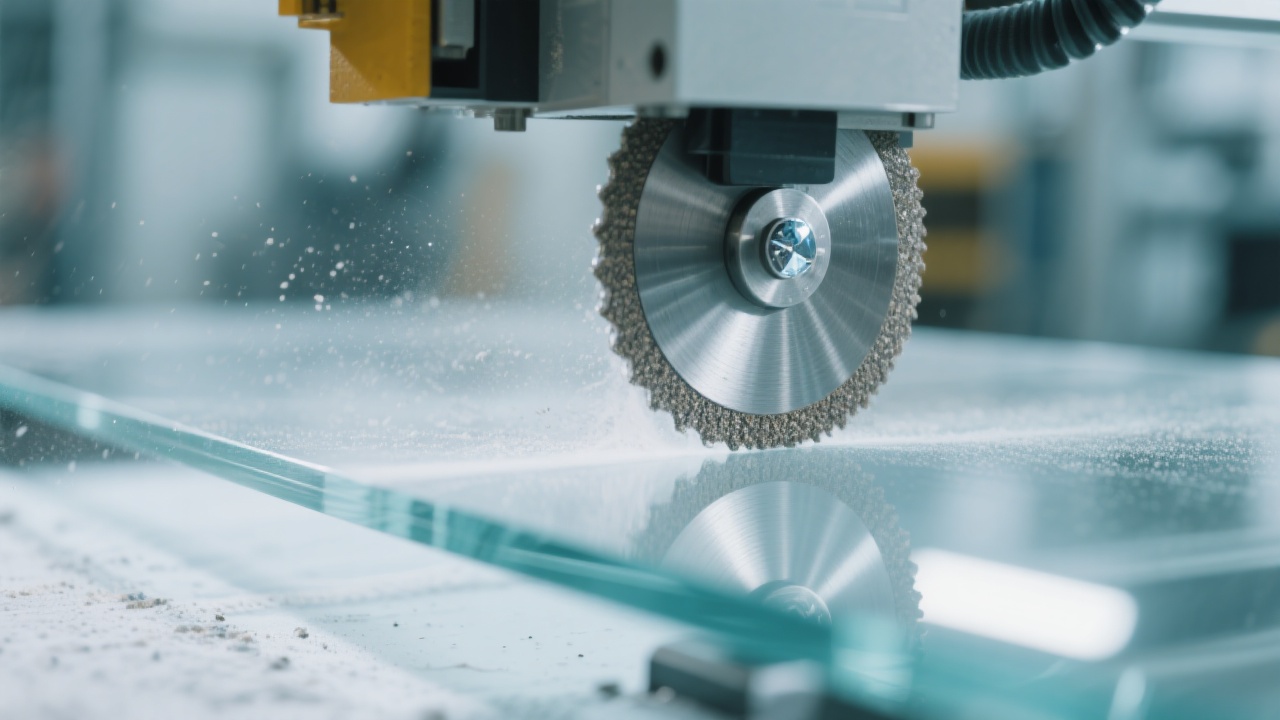
We hope these five techniques will help you solve the problems of blade vibration and offset in granite cutting. Now, we'd like to hear from you. Do you have any other cutting problems or experiences to share? Please leave a comment below and let's discuss together.
Discover the UHD Super Hard 400H Saw Blade for High - Precision Granite Cutting


 Common faults of diamond saw blades
Saw blade lifespan extension methods
Industrial saw blade maintenance
Difference between wet and dry cutting
Brazed saw blade maintenance
metal cutting dust control
diamond saw blade tooth design
industrial dust extraction systems
gray cast iron cutting
occupational health and safety
diamond saw blade cooling design
cutting efficiency improvement
diamond blade lifespan extension
hard material cutting solution
UHD 400H saw blade
400mm brazed diamond saw blade
concrete cutting blade
granite cutting tool
diamond blade heat dissipation design
stone processing saw blade
Brazed diamond saw blade technology
400mm brazed saw blade
Construction cutting tool selection
Hard material cutting solutions
Brazed saw blade performance advantages
Common faults of diamond saw blades
Saw blade lifespan extension methods
Industrial saw blade maintenance
Difference between wet and dry cutting
Brazed saw blade maintenance
metal cutting dust control
diamond saw blade tooth design
industrial dust extraction systems
gray cast iron cutting
occupational health and safety
diamond saw blade cooling design
cutting efficiency improvement
diamond blade lifespan extension
hard material cutting solution
UHD 400H saw blade
400mm brazed diamond saw blade
concrete cutting blade
granite cutting tool
diamond blade heat dissipation design
stone processing saw blade
Brazed diamond saw blade technology
400mm brazed saw blade
Construction cutting tool selection
Hard material cutting solutions
Brazed saw blade performance advantages







.png?x-oss-process=image/resize,h_100,m_lfit/format,webp)
.png?x-oss-process=image/resize,h_100,m_lfit/format,webp)
.png?x-oss-process=image/resize,h_100,m_lfit/format,webp)

.png?x-oss-process=image/resize,h_800,m_lfit/format,webp)

