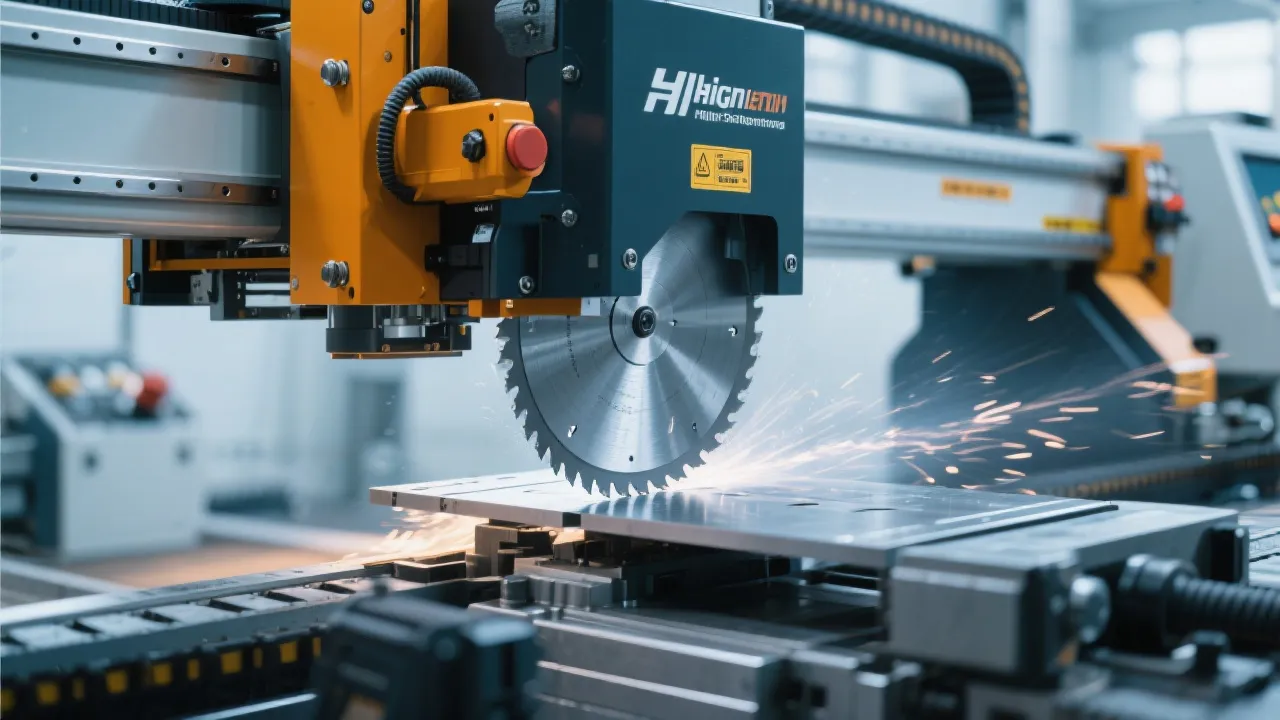
Are you struggling with frequent edge chipping and offset during granite cutting? This article reveals five practical techniques to enhance the cutting precision of hard materials. From saw blade selection to feed speed control, fixture stability optimization, cooling strategy implementation, and regular maintenance, we'll guide you through avoiding common pitfalls.
Before we dive into the techniques, it's essential to understand the root causes of edge chipping and offset in granite cutting. These issues can be attributed to various factors, such as improper saw blade selection, incorrect feed speed, unstable fixtures, inadequate cooling, and lack of maintenance.
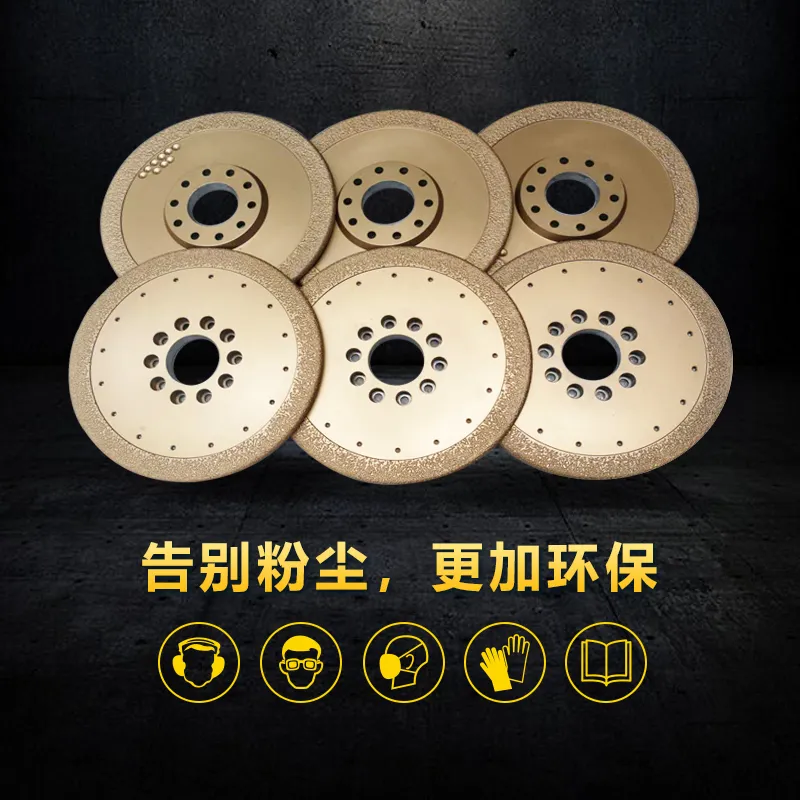
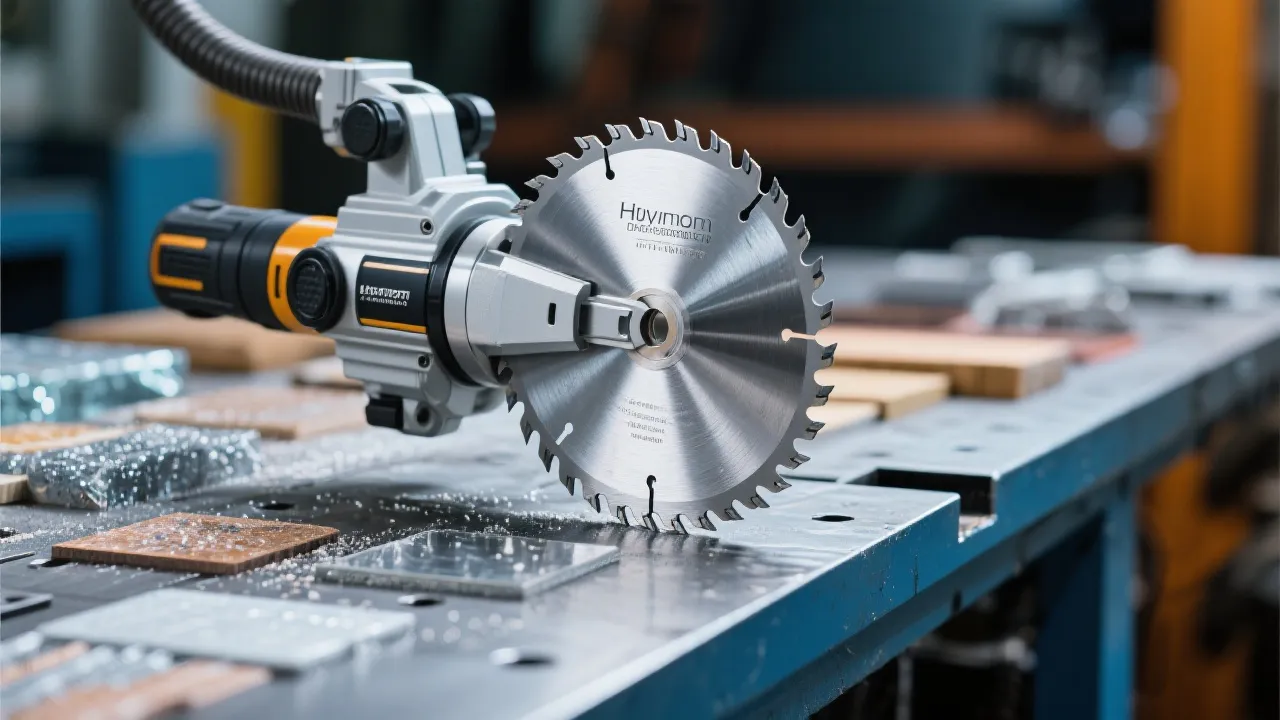
The choice of saw blade is crucial for achieving high cutting precision. When selecting a saw blade, consider the material, structure, and size. The UHD Super Hard 400H brazed diamond saw blade is an excellent choice. It features an efficient heat dissipation design and a vibration suppression structure, which can significantly improve cutting performance.
For example, in a real - world marble cutting scenario, using the UHD Super Hard 400H saw blade can reduce the edge chipping rate by up to 30% compared to traditional saw blades. This improvement in quality directly translates to higher product yields and better consistency.
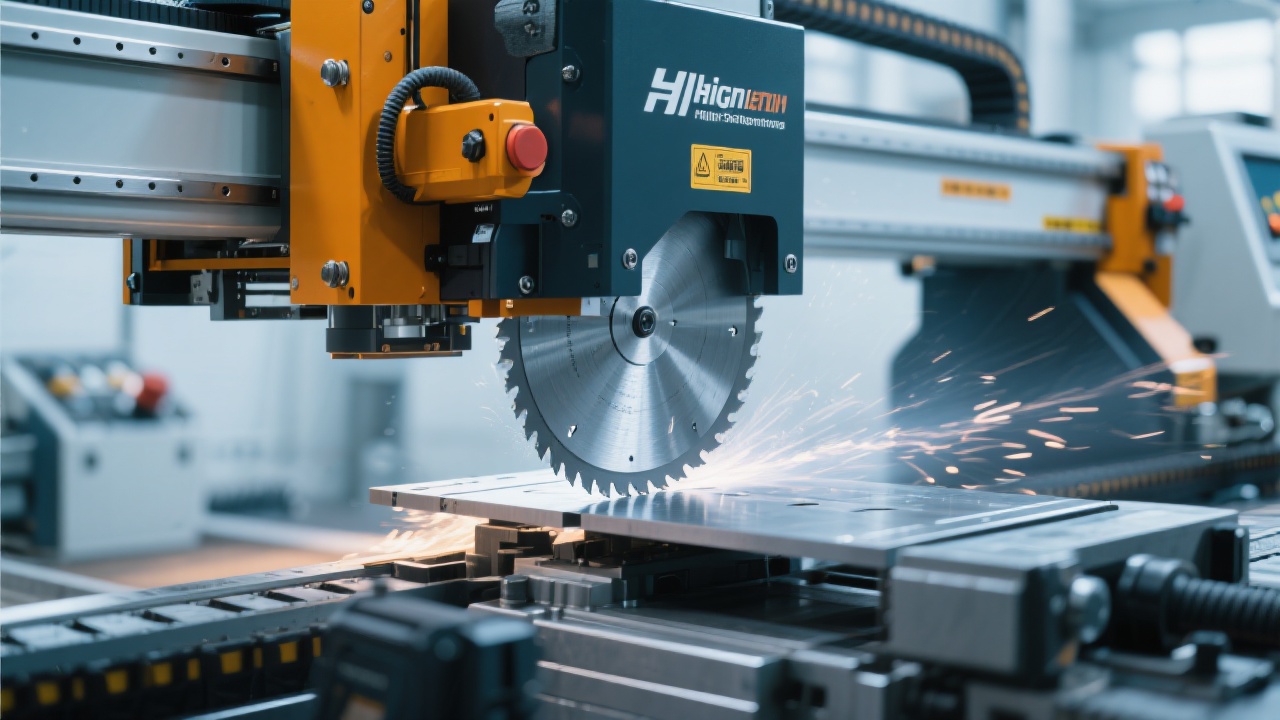
The feed speed plays a vital role in cutting precision. A too - high feed speed can cause excessive pressure on the saw blade, leading to edge chipping and offset. On the other hand, a too - low feed speed can reduce productivity. It's recommended to adjust the feed speed according to the hardness of the material and the type of saw blade. For granite, a feed speed of 3 - 5 meters per minute is generally appropriate.
Stable fixtures are essential for preventing offset during cutting. Ensure that the workpiece is firmly fixed to the cutting table. Using high - quality clamps and fixtures can improve stability. In a concrete cutting test, improving fixture stability can reduce the offset error by up to 20%.
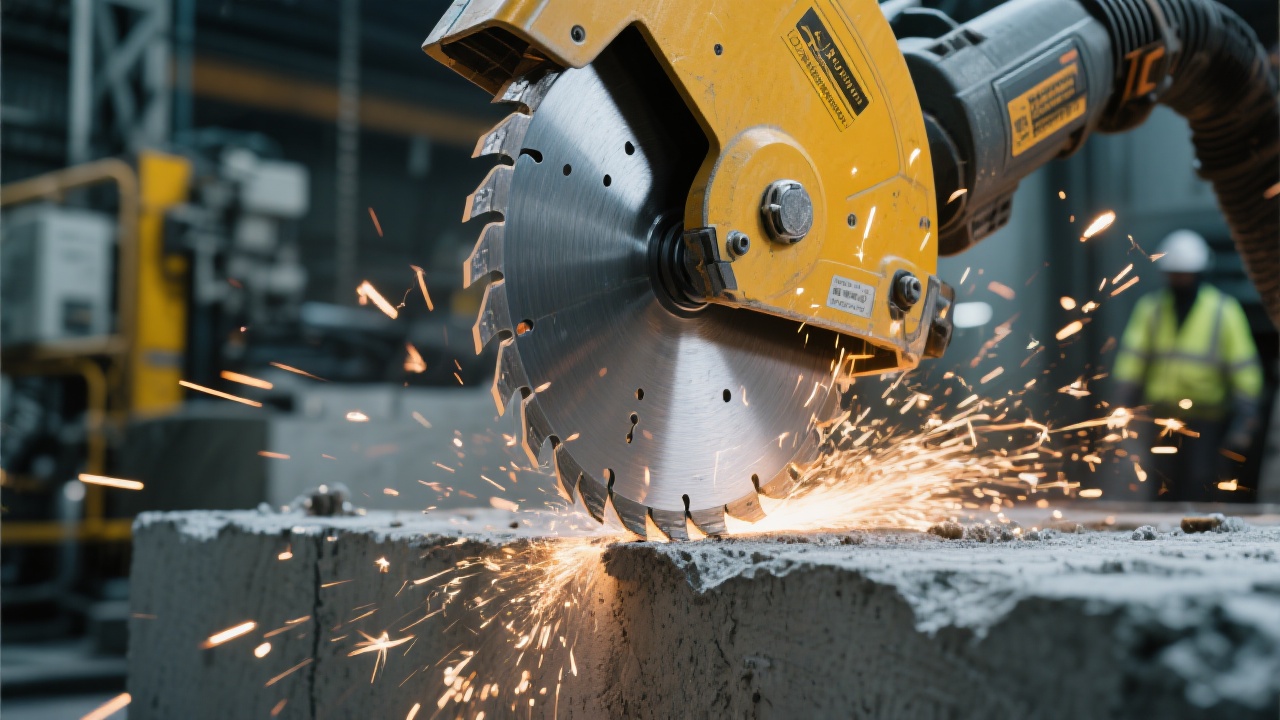
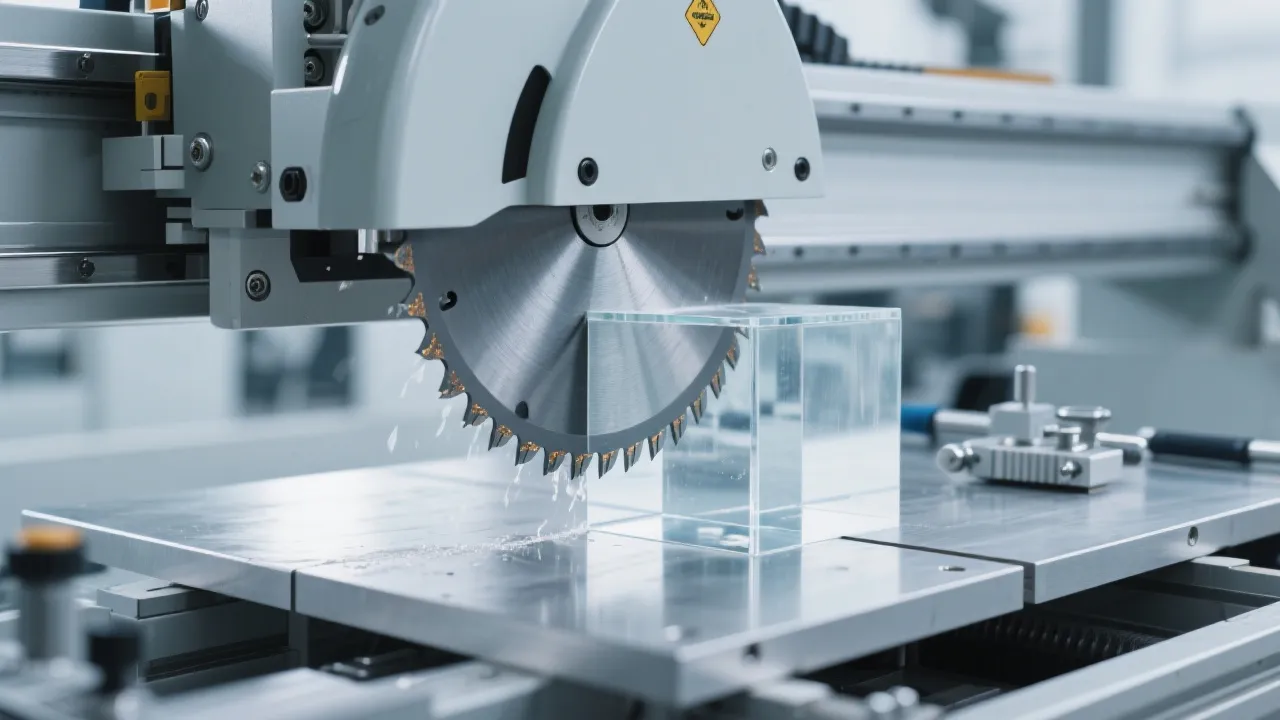
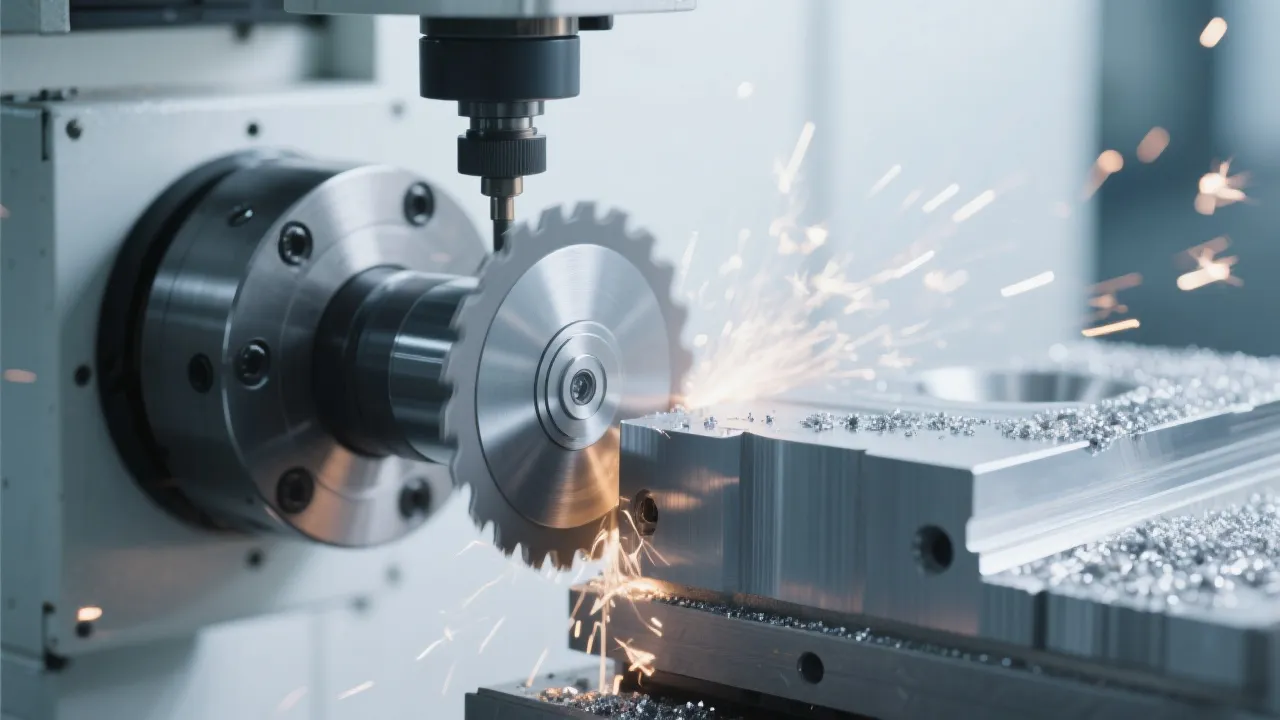
Proper cooling can reduce heat generation during cutting, which helps to prevent edge chipping and extend the life of the saw blade. There are two main cooling methods: wet cutting and dry cutting. Wet cutting is more effective in reducing heat, but it requires a water supply. Dry cutting is more convenient but may generate more heat. Choose the cooling method based on your specific needs.
Regular maintenance of the saw blade and cutting equipment is crucial for maintaining cutting precision. Clean the saw blade regularly to remove debris and check for any signs of wear. Replace the saw blade when it reaches its service life. A well - maintained saw blade can improve cutting efficiency by up to 15%.
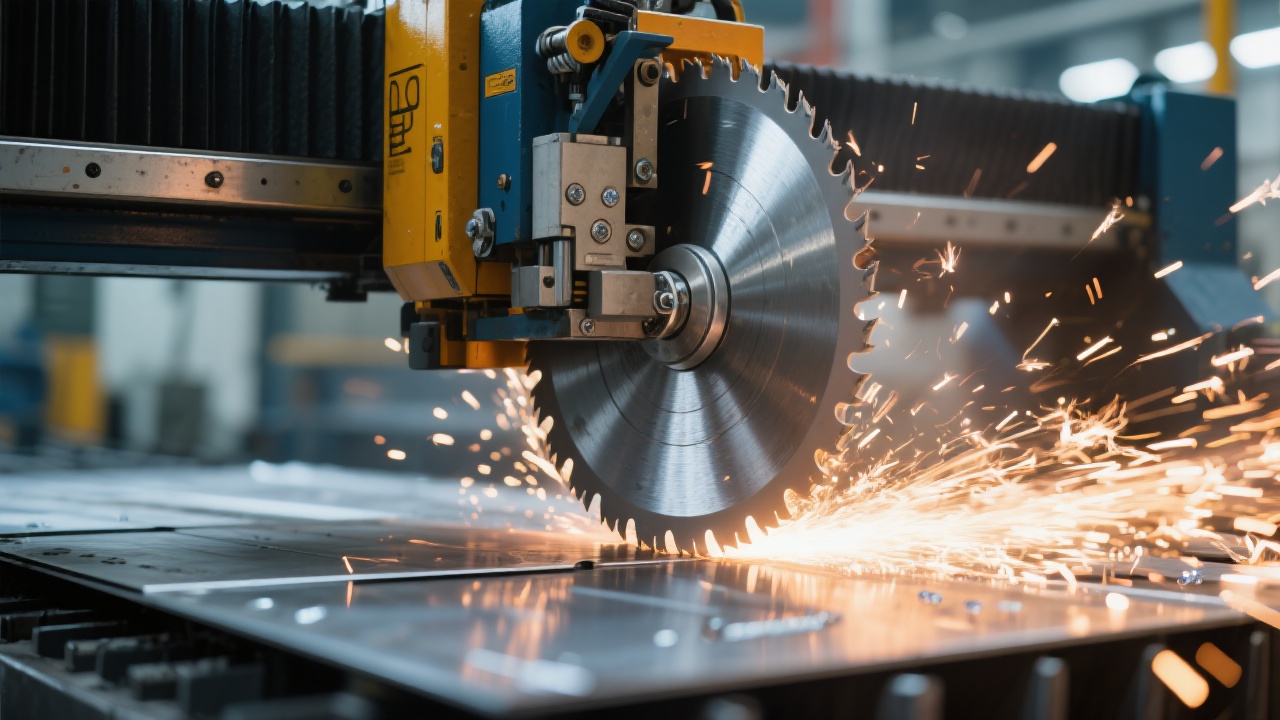
Many front - line operators often make mistakes, such as using the wrong saw blade, setting an incorrect feed speed, or neglecting maintenance. For example, using a saw blade with a wrong tooth configuration can lead to poor cutting performance. The correct solution is to carefully select the saw blade according to the material and cutting requirements and follow the recommended operating procedures.
We encourage you to share your experiences and problems in granite cutting. Leave a comment below, and we'll do our best to answer your questions.
Discover the UHD Super Hard 400H Saw Blade for Precise Cutting
 Vibration-damping saw blade
Concrete cutting technology
Diamond saw blade performance optimization
Building demolition tools
Floor cutting solutions
brazed diamond saw blades
efficient cutting tools
export order quality control
diamond blade maintenance
ISO certified saw blades
Hard material cutting solutions
Brazed diamond saw blade technology
Construction site cutting equipment
Noise reduction and vibration control
Concrete precision cutting
hard material cutting problems
diamond blade wear
overheating in cutting
wet vs dry cutting optimization
Youde 400H blade
hard material cutting solutions
brazed diamond blades
construction site cutting tools
vacuum brazing technology
cutting efficiency optimization
Vibration-damping saw blade
Concrete cutting technology
Diamond saw blade performance optimization
Building demolition tools
Floor cutting solutions
brazed diamond saw blades
efficient cutting tools
export order quality control
diamond blade maintenance
ISO certified saw blades
Hard material cutting solutions
Brazed diamond saw blade technology
Construction site cutting equipment
Noise reduction and vibration control
Concrete precision cutting
hard material cutting problems
diamond blade wear
overheating in cutting
wet vs dry cutting optimization
Youde 400H blade
hard material cutting solutions
brazed diamond blades
construction site cutting tools
vacuum brazing technology
cutting efficiency optimization







.png?x-oss-process=image/resize,h_100,m_lfit/format,webp)
.png?x-oss-process=image/resize,h_100,m_lfit/format,webp)
.png?x-oss-process=image/resize,h_100,m_lfit/format,webp)