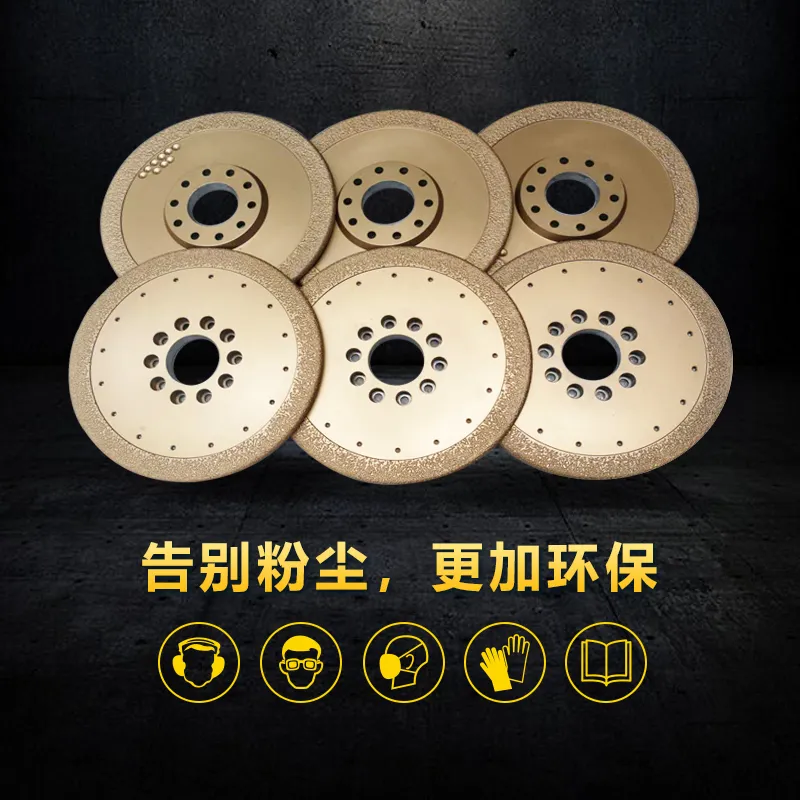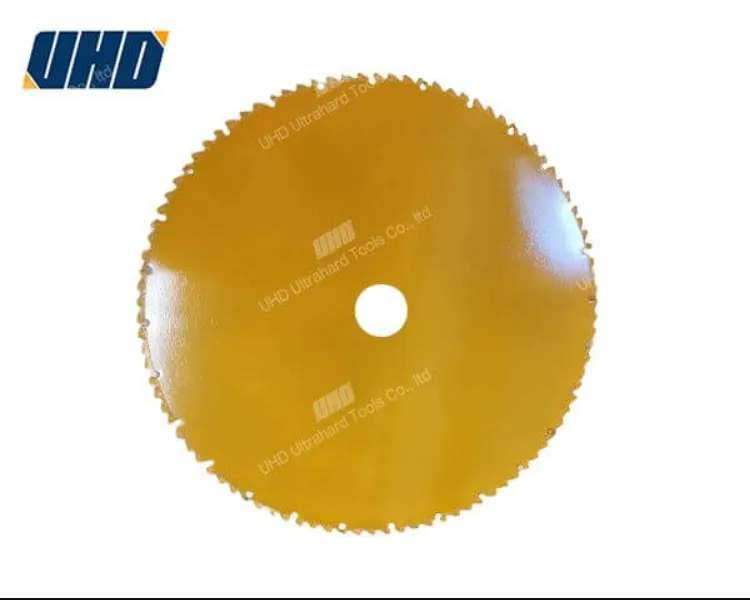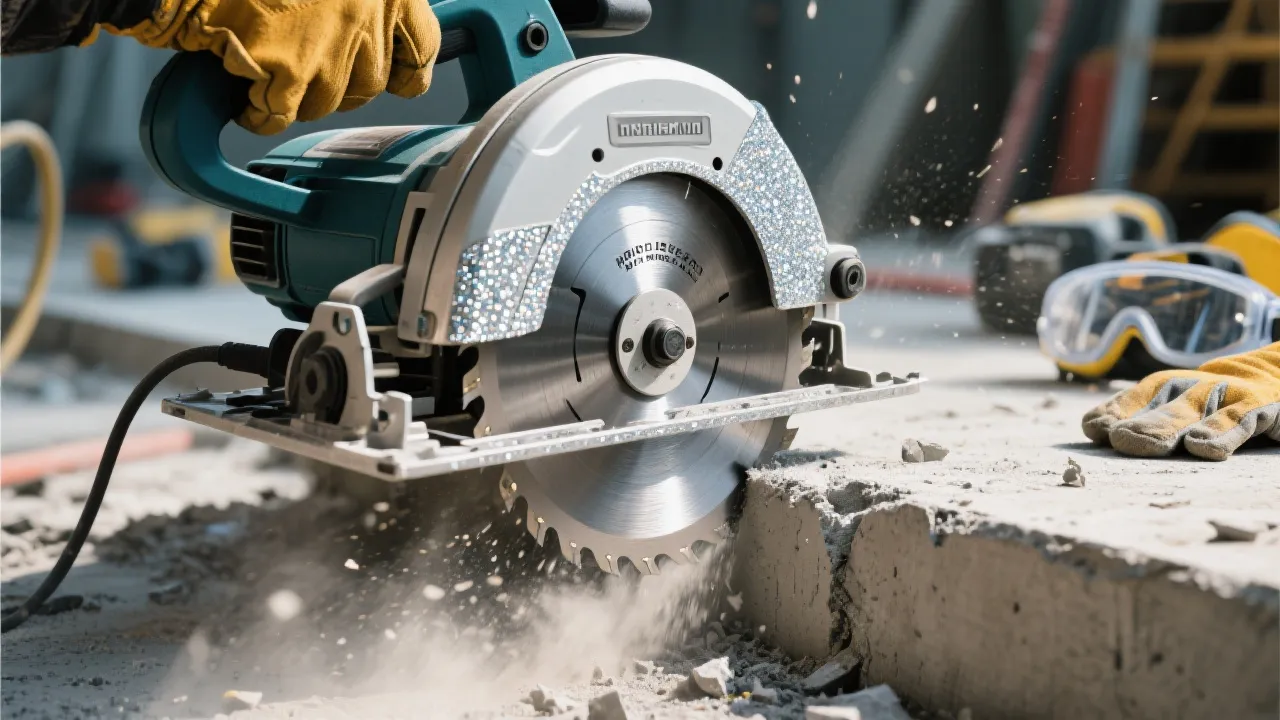
High-frequency cutting blades are essential tools in construction and stone processing industries, but their short lifespan and rapid wear often result in frequent replacements and increased operational costs. Understanding the root causes of blade degradation and applying effective maintenance strategies can significantly enhance cutting efficiency and cost-effectiveness.
Excessive feed speed and cutting depth accelerate blade abrasion and elevate localized heat, causing premature wear. Industry research shows that controlling feed rates within 60-80% of manufacturer recommendations reduces thermal stress by up to 30%, extending blade life by approximately 20%. Maintaining cutting depth within a single pass minimizes chip overload and enhances blade stability.
Monitoring and adjusting these parameters dynamically according to material hardness and blade condition can prevent hotspots that lead to segment damage or warping.
Heat management is critical in high-frequency cutting. Excess heat accumulation damages the diamond segments and steel core, drastically shortening blade lifespan. Employing wet cutting—using water as a coolant—reduces blade temperature by an average of 25-35°C, mitigating thermal fatigue.
However, some applications require dry cutting for speed or environmental reasons. In such cases, users should incorporate periodic rest intervals and air cooling techniques to dissipate heat. A balanced approach—switching between dry and wet cutting based on task requirements—optimizes thermal control and prolongs blade function.
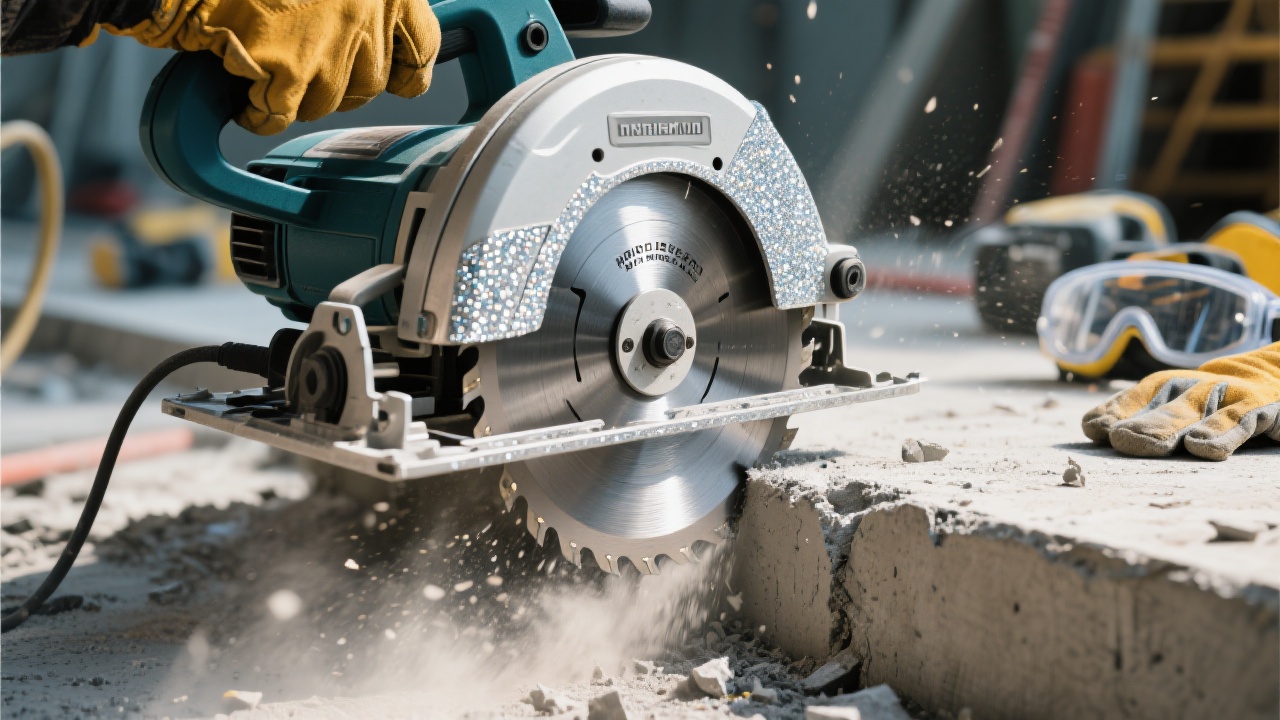
Improper mounting or imbalance creates eccentric rotation, intensifying uneven wear patterns and vibration-induced stress. Routine inspections to verify blade flatness, proper tension, and alignment with the arbor can reduce eccentric wear by over 40%.
Utilizing precision balancing tools and torque wrenches ensures stable operation. Preventive maintenance schedules that include these checks help identify early signs of mechanical issues before they escalate, safeguarding equipment longevity.

Construction crews and stone fabrication teams benefit from adopting a standardized blade maintenance protocol incorporating:
Following these science-backed steps can reduce blade replacement frequency by nearly 30%, translating into tangible savings and improved operational uptime.
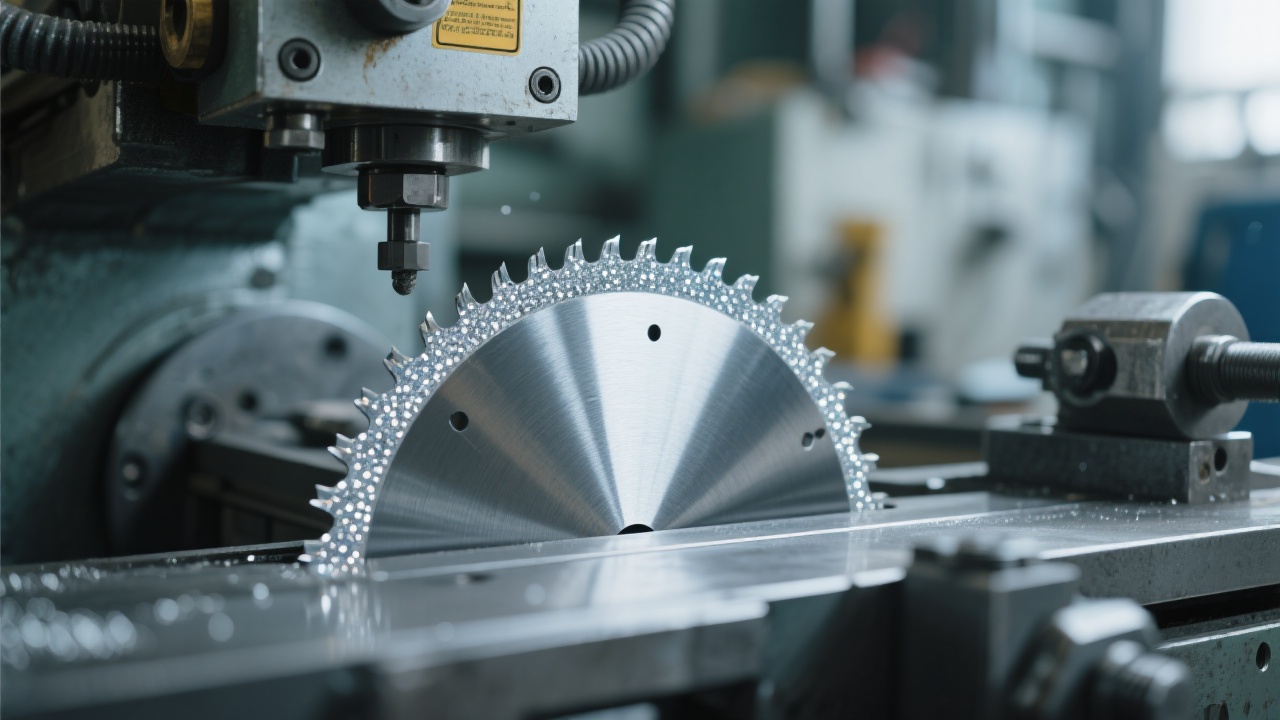
 Diamond saw blade brazing process
Diamond particle oriented arrangement
Reasons for shedding of dry - cutting saw blades
Youde Superhard saw blades
Industrial cutting technology
hard stone cutting technology
diamond saw blade selection
high hardness stone processing
heat dissipation structure
brazed diamond saw blade
stone cutting efficiency
diamond blade optimization
wet vs dry cutting
vibration reduction in stone sawing
safe stone machining practices
diamond blade vibration control
400mm diamond saw blade performance
diamond blade chipping prevention
stone cutting blade optimization
precision brazed diamond segments
stone saw blade heating
high - efficiency heat dissipation structure
cutting efficiency improvement
saw blade service life extension
wet and dry cutting technology
Diamond saw blade brazing process
Diamond particle oriented arrangement
Reasons for shedding of dry - cutting saw blades
Youde Superhard saw blades
Industrial cutting technology
hard stone cutting technology
diamond saw blade selection
high hardness stone processing
heat dissipation structure
brazed diamond saw blade
stone cutting efficiency
diamond blade optimization
wet vs dry cutting
vibration reduction in stone sawing
safe stone machining practices
diamond blade vibration control
400mm diamond saw blade performance
diamond blade chipping prevention
stone cutting blade optimization
precision brazed diamond segments
stone saw blade heating
high - efficiency heat dissipation structure
cutting efficiency improvement
saw blade service life extension
wet and dry cutting technology






.png?x-oss-process=image/resize,h_100,m_lfit/format,webp)
.png?x-oss-process=image/resize,h_100,m_lfit/format,webp)
.png?x-oss-process=image/resize,h_100,m_lfit/format,webp)