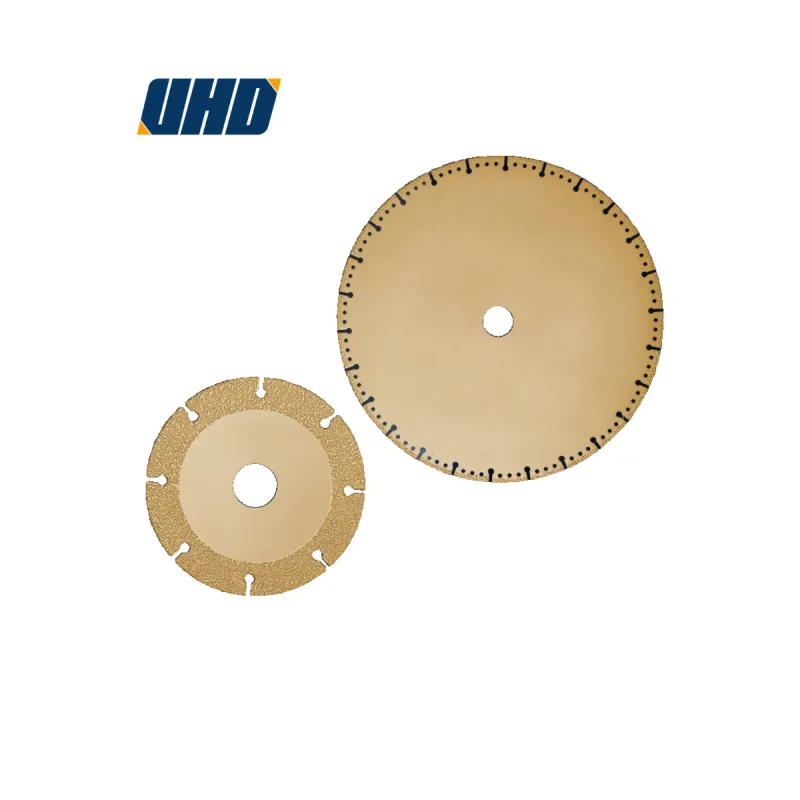
In the manufacturing scenarios of foundries and automotive parts, dust pollution stands out as a core pain - point affecting operational safety and compliance. This case study delves into how the tooth - shape design of diamond saw blades can significantly reduce dust generation during cutting operations.
Industrial sites face multiple challenges related to dust, from safety and compliance concerns to cost pressures. Tooth - shape design has emerged as a crucial solution. Traditional saw blades often generate large amounts of dust, which not only endangers the health of workers but also increases the cost of dust removal and maintenance. In contrast, innovative tooth - shape designs can effectively address these issues.
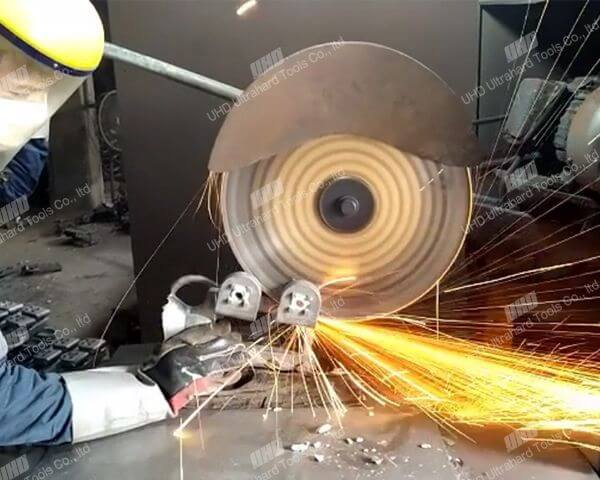
Let's take a closer look at the special tooth types, such as trapezoidal teeth and wave - shaped teeth. The trapezoidal tooth design features a wider base and a narrower top. This structure helps to reduce the contact area between the saw blade and the workpiece during cutting, thus minimizing the generation of flying chips. On average, trapezoidal - toothed saw blades can reduce dust generation by up to 30% compared to traditional saw blades.
The wave - shaped teeth, with their undulating edges, can break the chips into smaller pieces during cutting. This not only reduces the diffusion of flying chips but also improves the cutting stability. In practical applications, wave - shaped - toothed saw blades have been shown to increase cutting stability by approximately 25% and extend the tool life by about 20%.
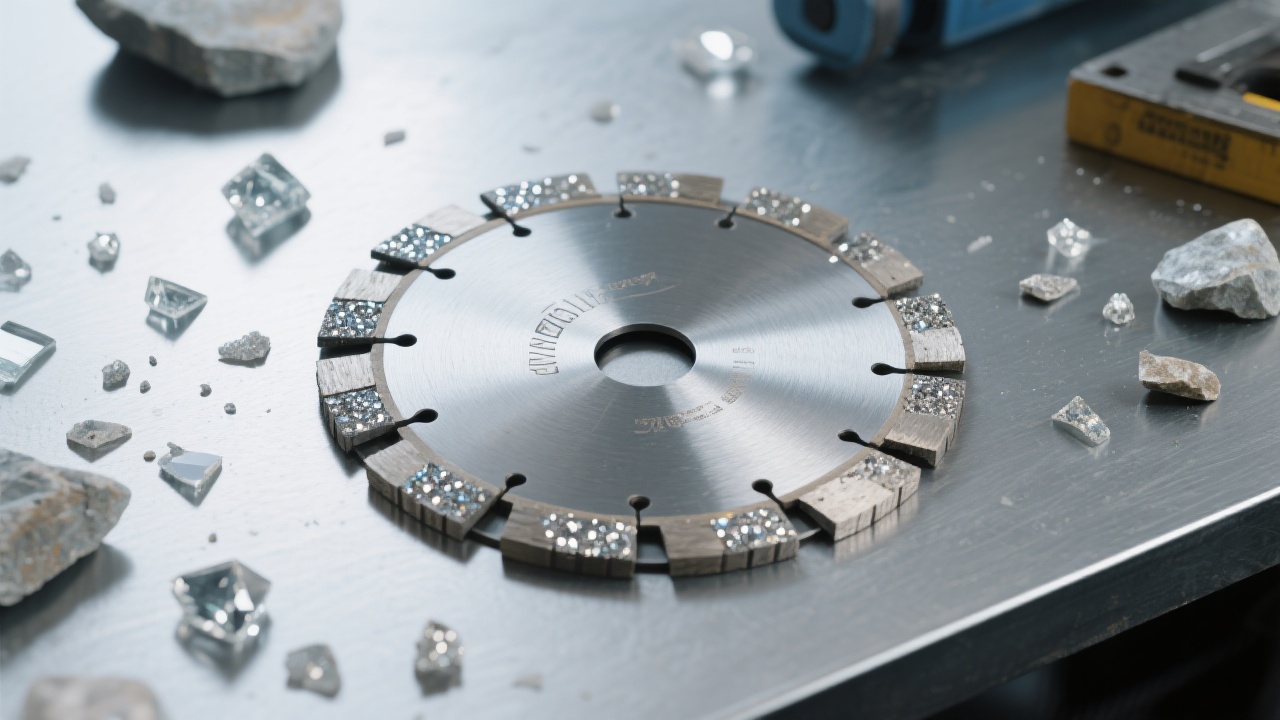
Real - world factory application data provides strong evidence for the effectiveness of these innovative tooth - shape designs. In a certain foundry, after replacing traditional saw blades with trapezoidal - toothed saw blades for gray cast iron cutting, the dust concentration in the workshop decreased from 10 mg/m³ to 7 mg/m³, a reduction of 30%. At the same time, the tool life was extended from an average of 100 cutting operations to 130 operations, an increase of 30%.
To achieve an efficient closed - loop dust management system, it is necessary to reasonably match the saw blade type with the dust removal equipment. For example, for high - precision cutting operations, wave - shaped - toothed saw blades can be paired with high - efficiency bag - type dust collectors. This combination can not only effectively reduce dust generation at the source but also ensure the efficient collection of the generated dust.
ISO Standard Excerpt: ISO 17025/9001 sets clear limits on dust emissions in industrial environments. For example, the maximum allowable dust concentration in the air of workplaces is 8 mg/m³. Our solution is fully in line with these standards, helping enterprises achieve green production, meet occupational health requirements, and improve efficiency.
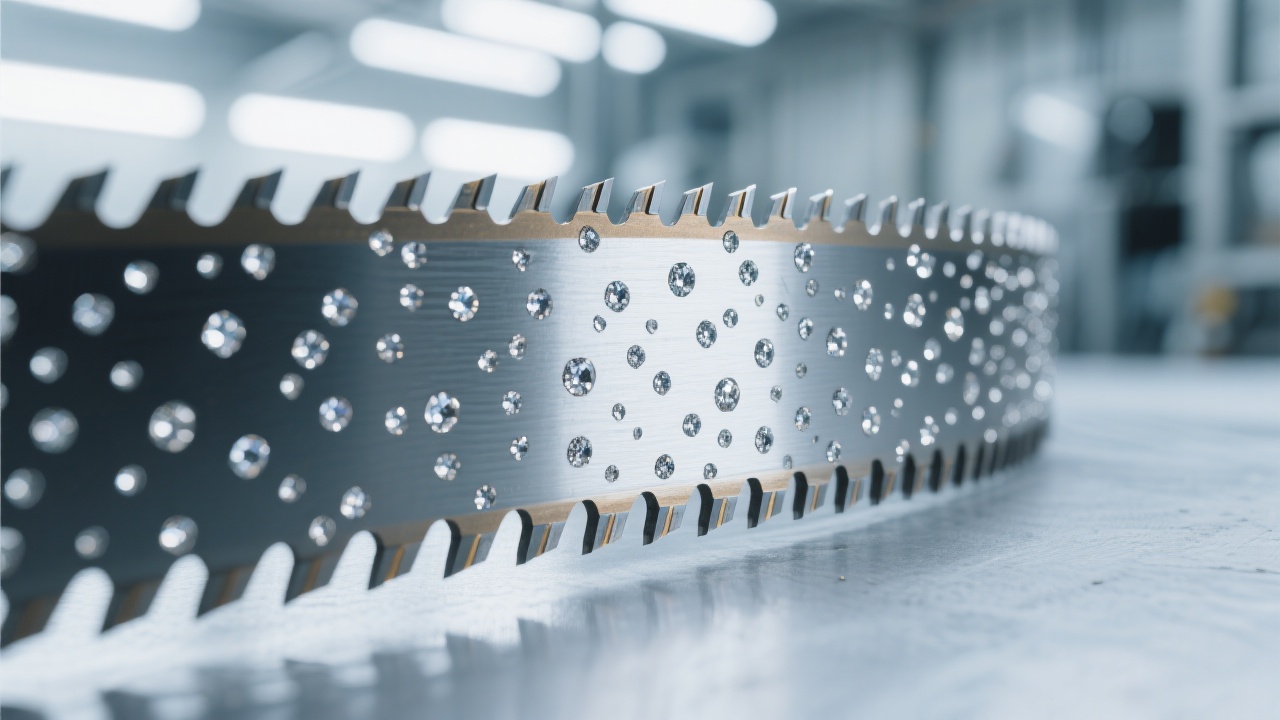
The future of dust management in the manufacturing industry is full of potential. Smart - sensing tooth - shape optimization and AI - assisted dust removal linkage are emerging as the next - generation technologies. Smart - sensing saw blades can automatically adjust the tooth - shape parameters according to the cutting conditions, further reducing dust generation. AI - assisted dust removal systems can optimize the operation of dust collectors in real - time, improving the overall efficiency of dust management.



 Diamond saw blade selection misunderstandings
Diamond saw blade usage skills
UDS010 saw blade application guide
Cutting material matching
Efficient cutting solutions
Brazed diamond saw blade
Granite precision cutting
Saw blade vibration reduction technology
Feed rate control
Fixture fixing skills
Diamond saw blade
400mm saw blade
Precision brazing technology
International certification
Construction cutting tool
tile cutting techniques
granite diamond blade selection
stone cutting parameter optimization
industrial diamond blade performance
diamond blade wear reduction
diamond saw blade failures
saw blade maintenance tips
Youde Ultra-Hard 400H
saw blade troubleshooting process
cutting equipment stability
Diamond saw blade selection misunderstandings
Diamond saw blade usage skills
UDS010 saw blade application guide
Cutting material matching
Efficient cutting solutions
Brazed diamond saw blade
Granite precision cutting
Saw blade vibration reduction technology
Feed rate control
Fixture fixing skills
Diamond saw blade
400mm saw blade
Precision brazing technology
International certification
Construction cutting tool
tile cutting techniques
granite diamond blade selection
stone cutting parameter optimization
industrial diamond blade performance
diamond blade wear reduction
diamond saw blade failures
saw blade maintenance tips
Youde Ultra-Hard 400H
saw blade troubleshooting process
cutting equipment stability






.png?x-oss-process=image/resize,h_100,m_lfit/format,webp)
.png?x-oss-process=image/resize,h_100,m_lfit/format,webp)
.png?x-oss-process=image/resize,h_100,m_lfit/format,webp)