In the fast-paced world of stone fabrication and construction, a single misdiagnosed blade can cost hours of downtime and thousands in wasted material. That’s why understanding how to detect early signs of wear—especially through sound—is critical for maintaining productivity, safety, and profitability.
According to a 2023 study by the International Association of Diamond Tools (IADT), over 60% of premature blade failures go undetected until they cause visible damage or performance drops. But here's the good news: trained operators can identify issues up to 72 hours before failure using simple auditory cues.
For example:
A mid-sized marble processing facility in Italy implemented an acoustic check protocol during daily machine startup. Operators were trained to listen for abnormal tones when running wet-cutting operations at 3,000 RPM. Within two months, they reduced unexpected blade replacements by 34%, saving €18,000 annually while improving cut quality consistency across batches.
This approach works because it aligns with industry standards like ISO 13339, which emphasizes proactive maintenance over reactive fixes. And yes—it’s easy to learn. With just 15 minutes of training per week, your team can become proficient at recognizing these subtle audio patterns.
If you hear any of the above sounds during operation:
Pro tip: Always keep a logbook of blade usage time, cutting conditions, and any unusual noises. This data helps predict replacement cycles more accurately—reducing waste and increasing ROI.
Ready to upgrade your blade monitoring system?
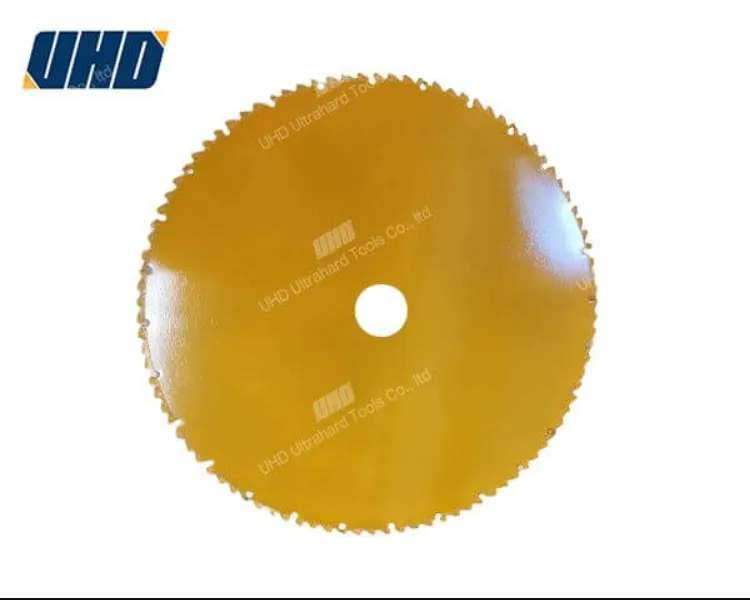
Discover how 优德超硬400H钎焊金刚石锯片 combines advanced brazing technology with optimized segment geometry to deliver consistent performance—even under high-stress conditions.
Optimize Your Cutting Process TodayRemember: prevention isn’t just cheaper—it’s smarter. Whether you’re managing a small job site or overseeing a large-scale production line, learning to “listen” to your tools is one of the most powerful skills you can develop.
 diamond blade selection
cutting thickness optimization
superhard diamond saw blades
stone cutting tools
construction cutting tools
Diamond saw blade heat dissipation design
400mm saw blade cutting precision
Brazed diamond saw blade application
Metal processing tool maintenance
Difference between wet and dry cutting
diamond saw blade maintenance
saw blade fault diagnosis
standardized maintenance process
cutting tool operation tips
Youde Ultra-Hard 400H saw blade
brazed diamond saw blade
industrial cutting solution
concrete cutting tool
granite saw blade
heat dissipation structure design
brazed diamond blade
stone cutting tools
granite cutting
ceramic tile saw blade
diamond blade for marble
diamond blade selection
cutting thickness optimization
superhard diamond saw blades
stone cutting tools
construction cutting tools
Diamond saw blade heat dissipation design
400mm saw blade cutting precision
Brazed diamond saw blade application
Metal processing tool maintenance
Difference between wet and dry cutting
diamond saw blade maintenance
saw blade fault diagnosis
standardized maintenance process
cutting tool operation tips
Youde Ultra-Hard 400H saw blade
brazed diamond saw blade
industrial cutting solution
concrete cutting tool
granite saw blade
heat dissipation structure design
brazed diamond blade
stone cutting tools
granite cutting
ceramic tile saw blade
diamond blade for marble






.png?x-oss-process=image/resize,h_100,m_lfit/format,webp)
.png?x-oss-process=image/resize,h_100,m_lfit/format,webp)
.png?x-oss-process=image/resize,h_100,m_lfit/format,webp)