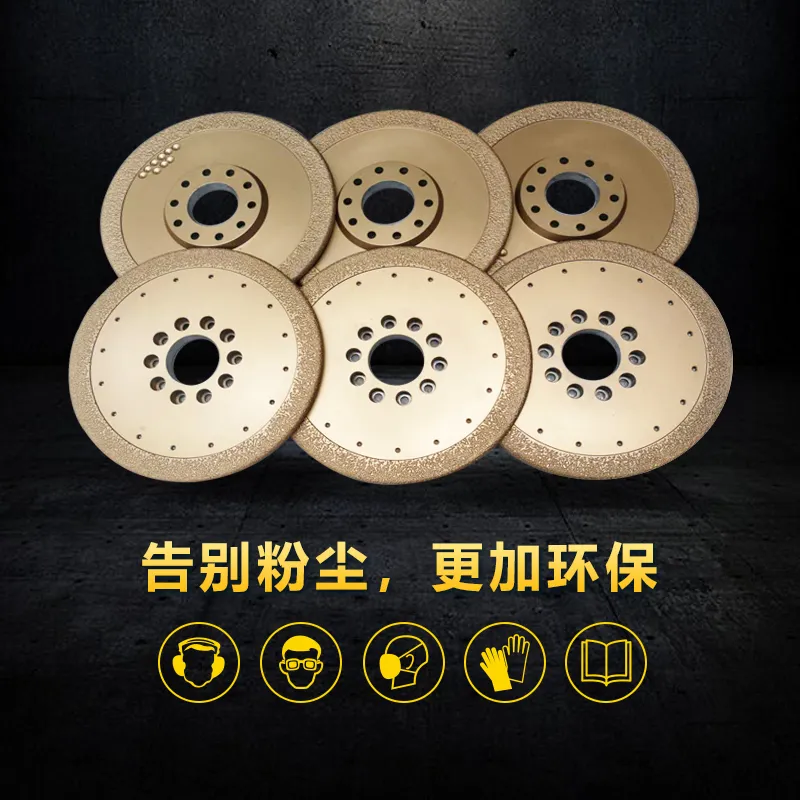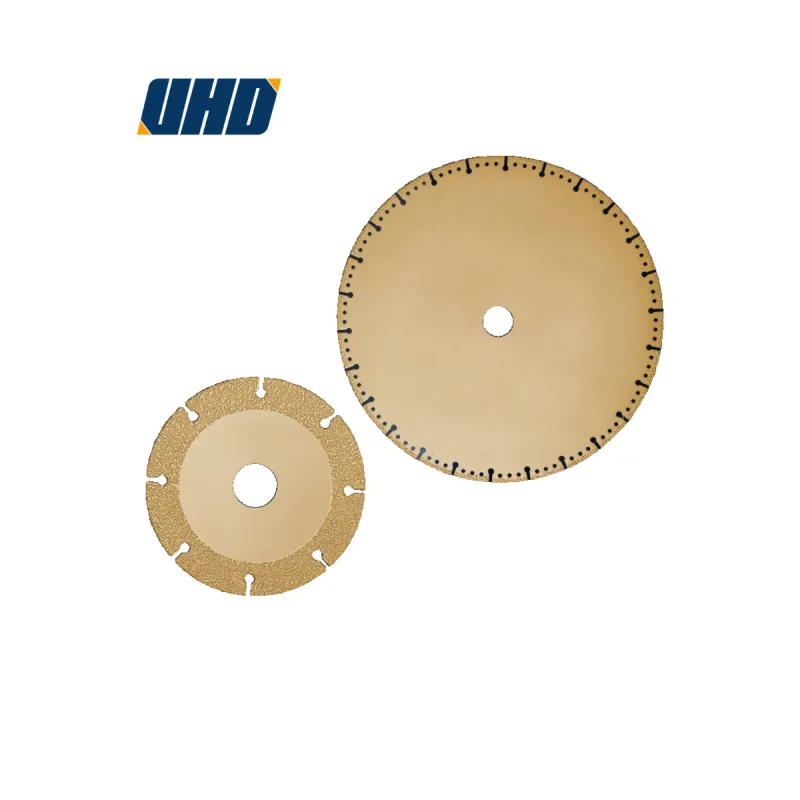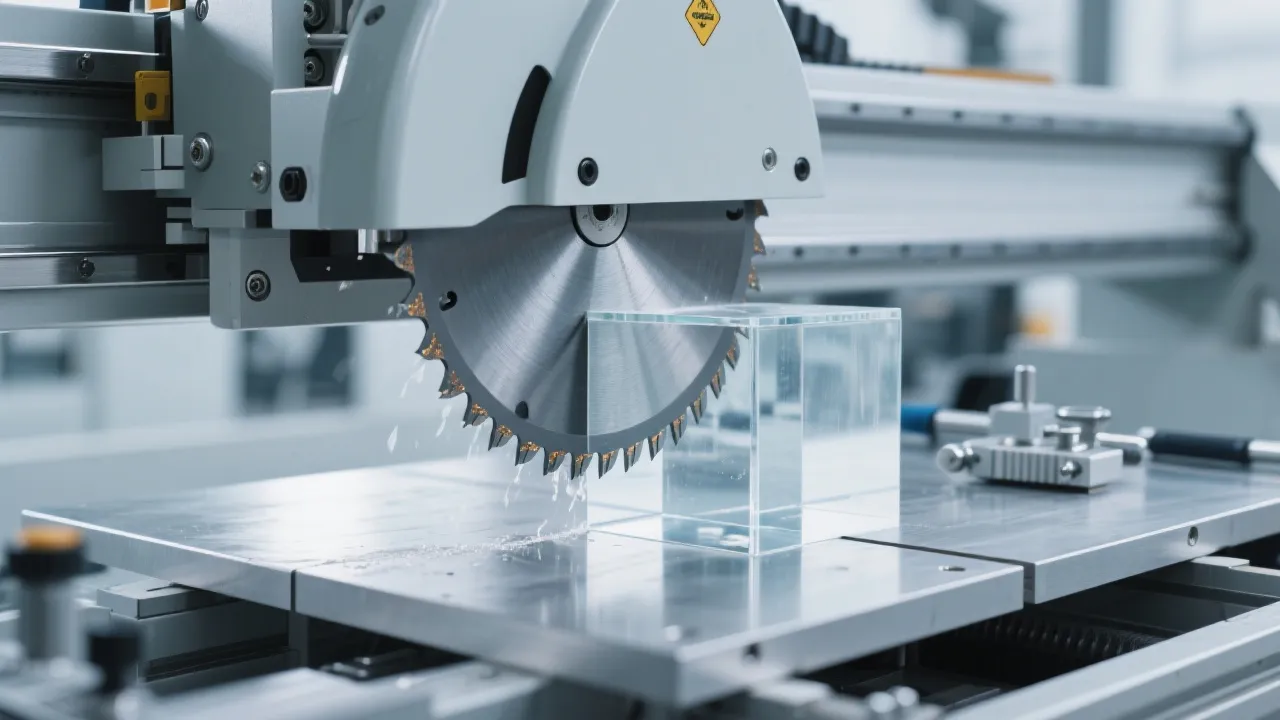
For metal fabricators, especially those working with gray cast iron or ductile iron, dust generation during cutting isn’t just an annoyance—it’s a health hazard, a compliance risk, and a hidden cost to productivity. A study by the International Occupational Safety Association (IOSA) found that up to 67% of small-to-medium foundries exceed OSHA-recommended PM10 limits when using standard saw blades. The solution? Not just better ventilation—but smarter tooth design.
Traditional straight teeth create high-frequency vibrations and uneven stress distribution, leading to premature wear and excessive airborne particles. In contrast, advanced profiles like trapezoidal and wave teeth distribute cutting forces more evenly across the blade. This reduces heat buildup—by up to 25% in real-world tests—and minimizes micro-fractures that produce fine dust.
One automotive component manufacturer in Germany reported a 40% reduction in respirable dust after switching from conventional to wave-toothed diamond blades. Their maintenance team also noted a 30% increase in blade life before replacement—a direct impact on operational costs.
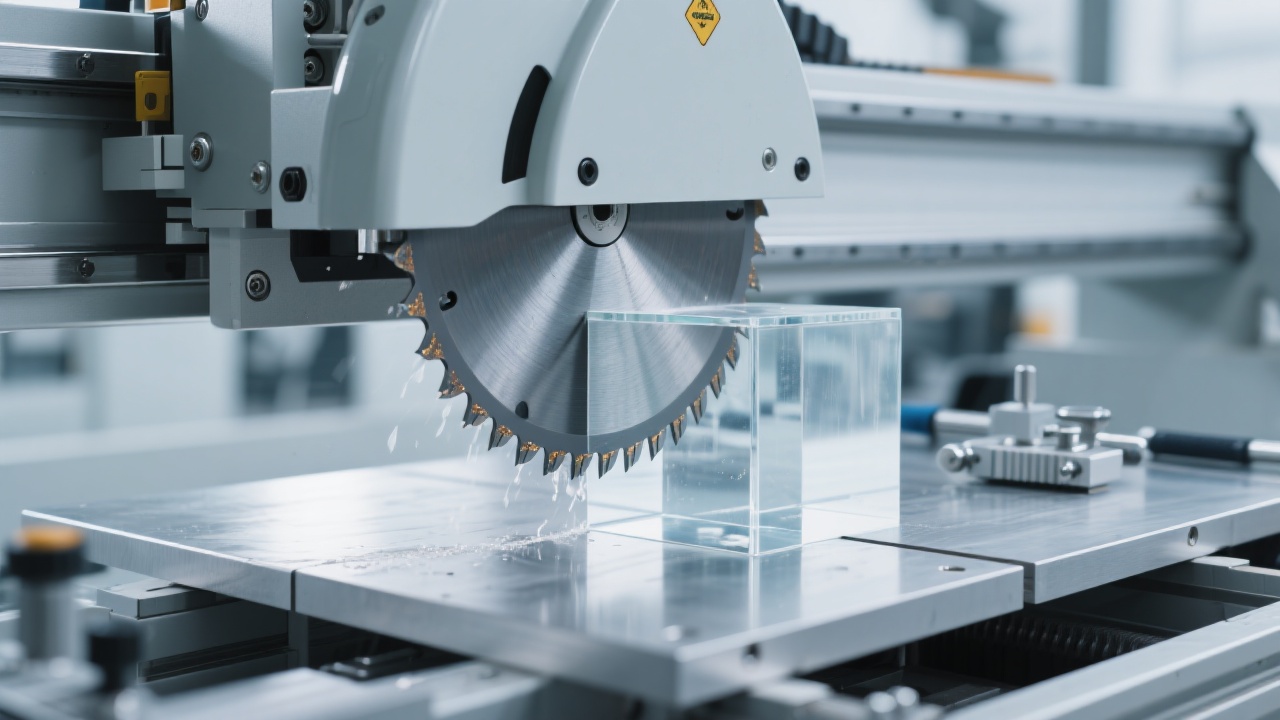
According to ISO 9001:2015 clause 8.5.1, manufacturers must ensure processes are controlled to meet product requirements—including occupational health and safety. Dust levels exceeding 5 mg/m³ (as per EU Directive 2016/1572) can trigger fines, shutdowns, or insurance claims. Choosing a blade designed for low-dust cutting isn't just smart engineering—it's legal protection.
“The right tooth profile doesn’t just cut better—it cuts safer.”
— Dr. Lena Müller, Industrial Safety Engineer, Fraunhofer Institute
Pairing optimized blade geometry with a properly sized dust extraction system yields exponential gains. For example, a 200mm diameter blade with wave teeth combined with a 1000 CFM local exhaust hood reduced total particulate matter by over 60% compared to standalone blade changes alone. This synergy improves both worker well-being and machine uptime.
As AI-driven predictive maintenance tools become mainstream in manufacturing, future blade designs will adapt dynamically based on material hardness, feed rate, and even ambient temperature. But today’s engineers don’t need to wait for tomorrow—they can start optimizing now.
If your shop is still relying on generic blades, you're likely losing time, money, and safety points every shift. It’s time to rethink what "cutting efficiency" really means.
Explore our UHD Customized Diamond Saw Blade Solutions tailored to your materials and production needs.
View UHD Customized Blade Solutions brazed diamond blades
concrete cutting overheating
industrial cutting efficiency
diamond blade cooling design
ISO9001 certified tools
stone cutting efficiency
diamond blade optimization
wet vs dry cutting
vibration reduction in stone sawing
safe stone machining practices
stone cutting efficiency
cross-material cutting
diamond saw blade optimization
marble cutting techniques
granite saw blade
brazed diamond saw blade
enhanced brazing technology
ISO-certified saw blades
saw blade maintenance guide
industrial cutting tools
diamond saw blade failures
saw blade maintenance tips
Youde Ultra-Hard 400H
saw blade troubleshooting process
cutting equipment stability
brazed diamond blades
concrete cutting overheating
industrial cutting efficiency
diamond blade cooling design
ISO9001 certified tools
stone cutting efficiency
diamond blade optimization
wet vs dry cutting
vibration reduction in stone sawing
safe stone machining practices
stone cutting efficiency
cross-material cutting
diamond saw blade optimization
marble cutting techniques
granite saw blade
brazed diamond saw blade
enhanced brazing technology
ISO-certified saw blades
saw blade maintenance guide
industrial cutting tools
diamond saw blade failures
saw blade maintenance tips
Youde Ultra-Hard 400H
saw blade troubleshooting process
cutting equipment stability






.png?x-oss-process=image/resize,h_100,m_lfit/format,webp)
.png?x-oss-process=image/resize,h_100,m_lfit/format,webp)
.png?x-oss-process=image/resize,h_100,m_lfit/format,webp)