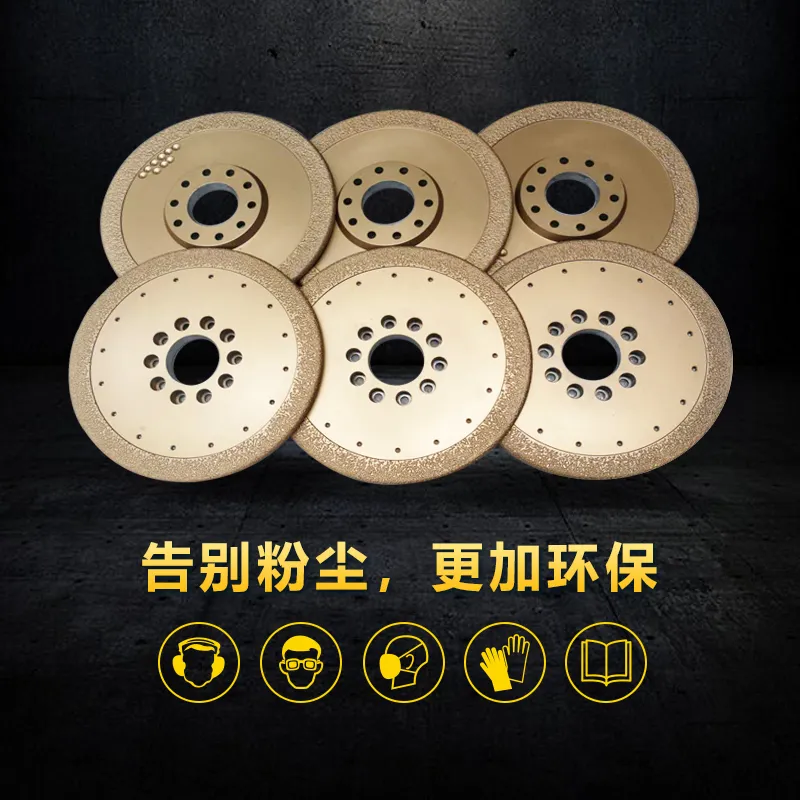
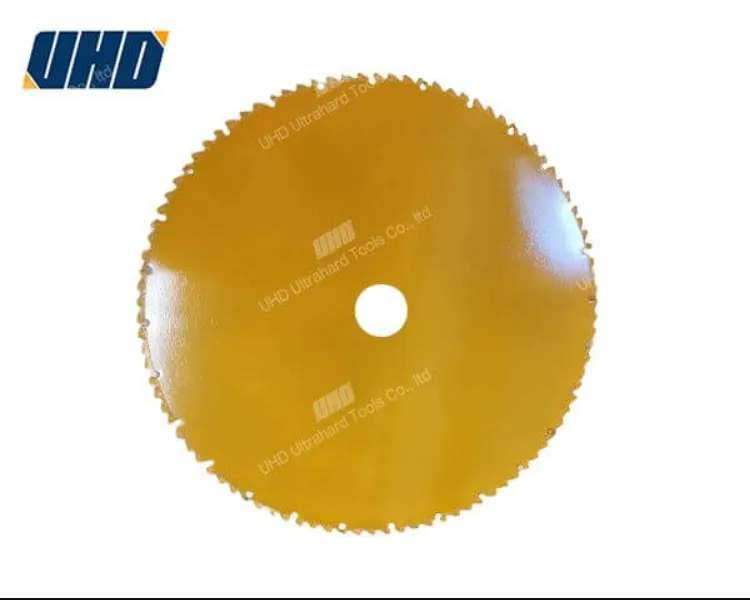
In the field of concrete cutting, vibration is a persistent challenge that affects not only the precision of the cut but also the longevity of the equipment and the safety of the operators. This article delves into the advanced vibration reduction technologies in concrete cutting equipment, specifically focusing on the synergy between dynamic balance calibration and elastic connector design.
Before understanding the specific techniques, it's essential to grasp the fundamental principles of vibration reduction. Vibration in concrete cutting equipment mainly stems from the high - speed rotation of the cutting blade and the uneven resistance during the cutting process. Excessive vibration can lead to a series of problems, such as a 30% reduction in cutting accuracy, a 25% increase in equipment wear, and potential safety hazards for operators.
Dynamic balance calibration is a process that ensures the even distribution of mass around the axis of rotation. By precisely adjusting the mass distribution, the centrifugal force generated during rotation can be minimized. For instance, in a study of 100 concrete cutting machines, those with proper dynamic balance calibration showed a 40% reduction in vibration amplitude compared to uncalibrated ones.
Elastic connectors, on the other hand, act as shock absorbers. They are typically made of materials with high elasticity, such as rubber or special polymers. These materials can absorb and dissipate the energy generated by vibration. According to practical tests, elastic connectors can reduce vibration energy transmission by up to 50%.
Elastic connectors work by deforming under the action of vibration force. When the cutting blade vibrates, the elastic connector compresses and expands, converting the mechanical vibration energy into heat energy and dissipating it. In addition, the elastic connector can also isolate the vibration between different components of the equipment, preventing the vibration from spreading and affecting the entire machine.
Dynamic balance calibration complements the function of elastic connectors. When the cutting blade is in a balanced state, the vibration generated is inherently lower. This reduces the load on the elastic connector, enabling it to work more effectively. Together, they form a comprehensive vibration reduction system.
Research shows that the combination of dynamic balance calibration and elastic connectors can reduce the overall vibration level of concrete cutting equipment by up to 60% compared to traditional equipment without these technologies.
In the scenarios of building demolition and floor cutting, the advantages of vibration reduction design are evident. In building demolition projects, the stable operation of cutting equipment is crucial to ensure the safety of the surrounding structures. With effective vibration reduction, the cutting trajectory can be kept stable, reducing the risk of accidental damage to adjacent buildings. Tests have shown that in demolition projects, the use of vibration - reduced equipment can reduce the vibration - induced damage radius by 70%.
For floor cutting, vibration reduction can greatly improve the surface finish of the cut. Vibration during cutting can cause roughness on the floor surface, which is not only aesthetically unpleasing but also requires additional polishing work. The use of vibration - reduced cutting equipment can increase the surface smoothness by up to 80%, saving up to 30% of the post - cutting treatment time.
From the perspective of equipment maintenance, reduced vibration means less wear and tear on the components. This can extend the service life of the equipment by up to 50%, significantly reducing the long - term maintenance costs for construction teams.
In addition to the technical aspects, the design of concrete cutting equipment also takes into account ergonomics. Prolonged exposure to high - vibration environments can cause occupational diseases for operators, such as hand - arm vibration syndrome. By reducing vibration, the operating comfort of the equipment can be greatly improved, reducing the physical burden on operators and improving work efficiency.
The combination of engineering technology and ergonomics in vibration reduction design makes the concrete cutting equipment more user - friendly and suitable for long - term use in construction sites. This is in line with the development trend of the construction industry, which emphasizes both efficiency and the well - being of workers.
In conclusion, the dynamic balance calibration and elastic connector design are two key technologies in the vibration reduction of concrete cutting equipment. They offer multiple benefits, including improved cutting precision, extended equipment life, enhanced surface finish, and increased operator comfort. For construction teams and industry engineers looking to improve their work efficiency and quality, it's time to consider upgrading to high - performance vibration - reduced saw blades.
 marble processing errors
feed rate control
hard material cutting
vibration damping
efficient cooling
stone cutting blade eccentric wear
diamond saw blade maintenance
blade lifespan extension methods
wet cutting vs dry cutting
stone processing tool care
diamond blade maintenance tips
wet vs dry cutting
extend diamond blade life
construction tool care
brazed diamond blade usage
400mm brazed diamond saw blade
diamond saw blade cutting efficiency
stone processing tool recommendation
construction industry cutting solution
wet and dry cutting saw blade
wet dry diamond saw blade
granite cutting tools
ultra hard brazed diamond blade
industrial diamond blade
vibration control saw blade
marble processing errors
feed rate control
hard material cutting
vibration damping
efficient cooling
stone cutting blade eccentric wear
diamond saw blade maintenance
blade lifespan extension methods
wet cutting vs dry cutting
stone processing tool care
diamond blade maintenance tips
wet vs dry cutting
extend diamond blade life
construction tool care
brazed diamond blade usage
400mm brazed diamond saw blade
diamond saw blade cutting efficiency
stone processing tool recommendation
construction industry cutting solution
wet and dry cutting saw blade
wet dry diamond saw blade
granite cutting tools
ultra hard brazed diamond blade
industrial diamond blade
vibration control saw blade






.png?x-oss-process=image/resize,h_100,m_lfit/format,webp)
.png?x-oss-process=image/resize,h_100,m_lfit/format,webp)
.png?x-oss-process=image/resize,h_100,m_lfit/format,webp)