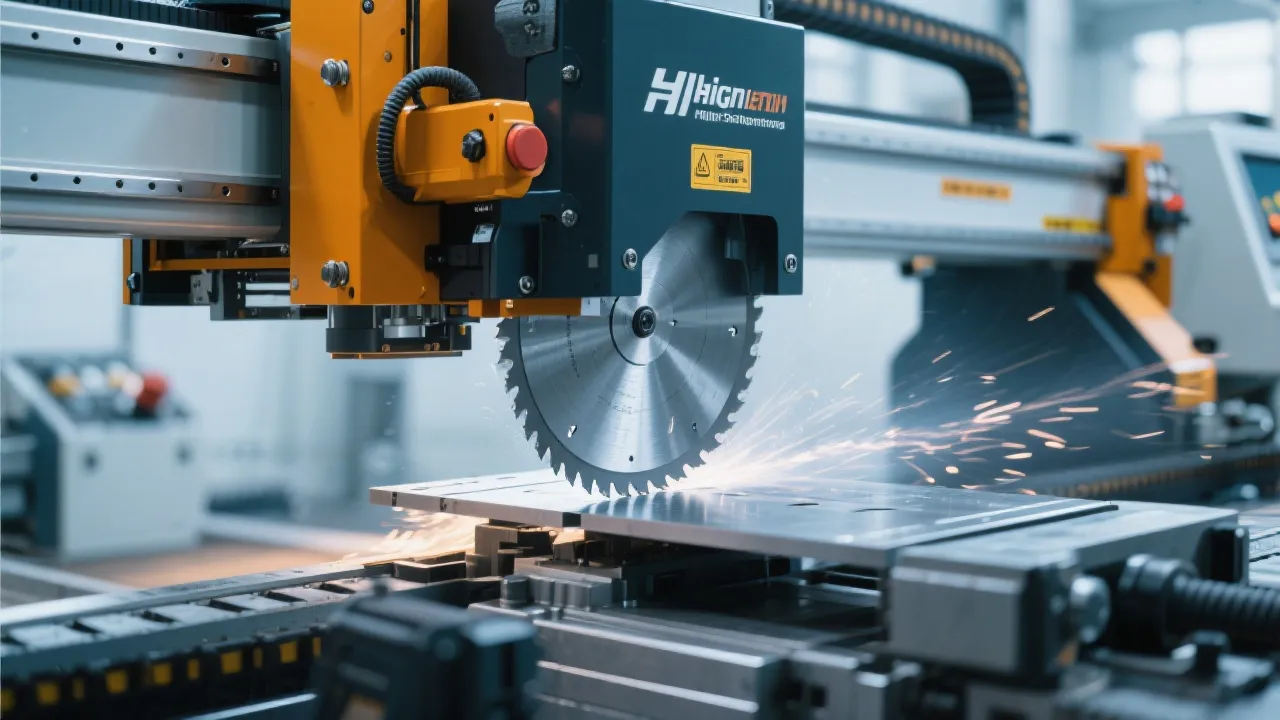
If you’ve noticed premature wear on your UHD Super-Hard 400H brazed diamond saw blades, you're not alone. Selecting the right blade and maintaining it properly can significantly extend its life and optimize cutting efficiency. In this article, we’ll explore the core technical factors influencing blade performance—from advanced brazing methods and base material choices to diameter design and ISO certification impact. Plus, practical daily maintenance steps will empower you to get the best results from your investment.
Premature blade wear, reduced cutting speed, and inconsistent results are frequent pain points in industrial cutting operations. These often stem from:
The brazing process acts similarly to reinforced concrete—think of the diamond particles as steel bars embedded firmly within a metal matrix. Strengthening this bond is crucial for blade durability. The UHD Super-Hard 400H employs a reinforced brazing technique that improves the adhesion stability by approximately 35% compared to traditional methods.
This results in enhanced resistance to particle loss during aggressive cutting and reduces downtime related to blade replacement. Your operators will notice steadier cutting quality with fewer interruptions.
The substrate or base metal forms the blade’s backbone. High-grade steel alloys with optimized carbon content and heat treatment processes improve not just wear resistance but also minimize deformation risks under thermal stress.
| Base Material Type | Wear Resistance | Deformation Resistance |
|---|---|---|
| Standard Steel Alloy | Moderate | Moderate |
| Hardened Steel Alloy (400H Series) | High | High |
Blade diameter influences both cutting speed and heat dissipation. Using a larger diameter blade in dry cutting can increase productivity by up to 20% by allowing deeper cutting passes without overheating. Conversely, smaller diameters are better suited for wet cutting environments where coolant reduces thermal load.
Compliance with ISO 9001 quality management standards guarantees manufacturing consistency, reducing batch-to-batch variation. Such standardization correlates strongly with a 15-25% increase in overall blade lifespan in factory testing, giving your procurement team confidence in long-term performance.
A common misconception is that thicker blades inherently perform better. In reality, thickness needs to be compatible with your cutting material and machine power. Overly thick blades can cause higher motor loads and reduce cutting precision. Opt instead for optimized blade designs that balance segment height, bonding strength, and base material toughness.
Expert Insight:
“Advanced brazing technologies combined with ISO-certified manufacturing processes ensure that diamond saw blades deliver not just peak initial performance but sustained lifetime value.” — Dr. Helen Schmidt, Materials Engineer
 tool failure diagnosis
metal machining downtime
diamond tool vibration issues
cutting parameter optimization
machine maintenance best practices
400mm brazed diamond saw blade
diamond saw blade cutting efficiency
stone processing tool recommendation
construction industry cutting solution
wet and dry cutting saw blade
hard stone cutting technology
diamond saw blade selection
high hardness stone processing
precision stone cutting techniques
brazed diamond saw blades
brazed diamond saw blade
400mm diamond blade
hard material cutting tools
stone cutting solutions
diamond blade performance
dry cutting vs wet cutting
400mm diamond saw blade
brazed diamond blades
construction stone cutting tools
high-efficiency cutting solutions
tool failure diagnosis
metal machining downtime
diamond tool vibration issues
cutting parameter optimization
machine maintenance best practices
400mm brazed diamond saw blade
diamond saw blade cutting efficiency
stone processing tool recommendation
construction industry cutting solution
wet and dry cutting saw blade
hard stone cutting technology
diamond saw blade selection
high hardness stone processing
precision stone cutting techniques
brazed diamond saw blades
brazed diamond saw blade
400mm diamond blade
hard material cutting tools
stone cutting solutions
diamond blade performance
dry cutting vs wet cutting
400mm diamond saw blade
brazed diamond blades
construction stone cutting tools
high-efficiency cutting solutions





.png?x-oss-process=image/resize,h_100,m_lfit/format,webp)
.png?x-oss-process=image/resize,h_100,m_lfit/format,webp)
.png?x-oss-process=image/resize,h_100,m_lfit/format,webp)



.png?x-oss-process=image/resize,h_800,m_lfit/format,webp)